By Kyle Jackson
On March 19, Grand Rapids Community College’s Bob and Aleicia Woodrick Center for Inclusion & Multicultural Affairs hosted a showing of the Amazon documentary, “Sincerely Yours, Pauli Murray,” and a collaborative panel at Spectrum Theater as part of the “Legacy of ACTIVISM: Sincerely Yours, Pauli Murray” celebration.
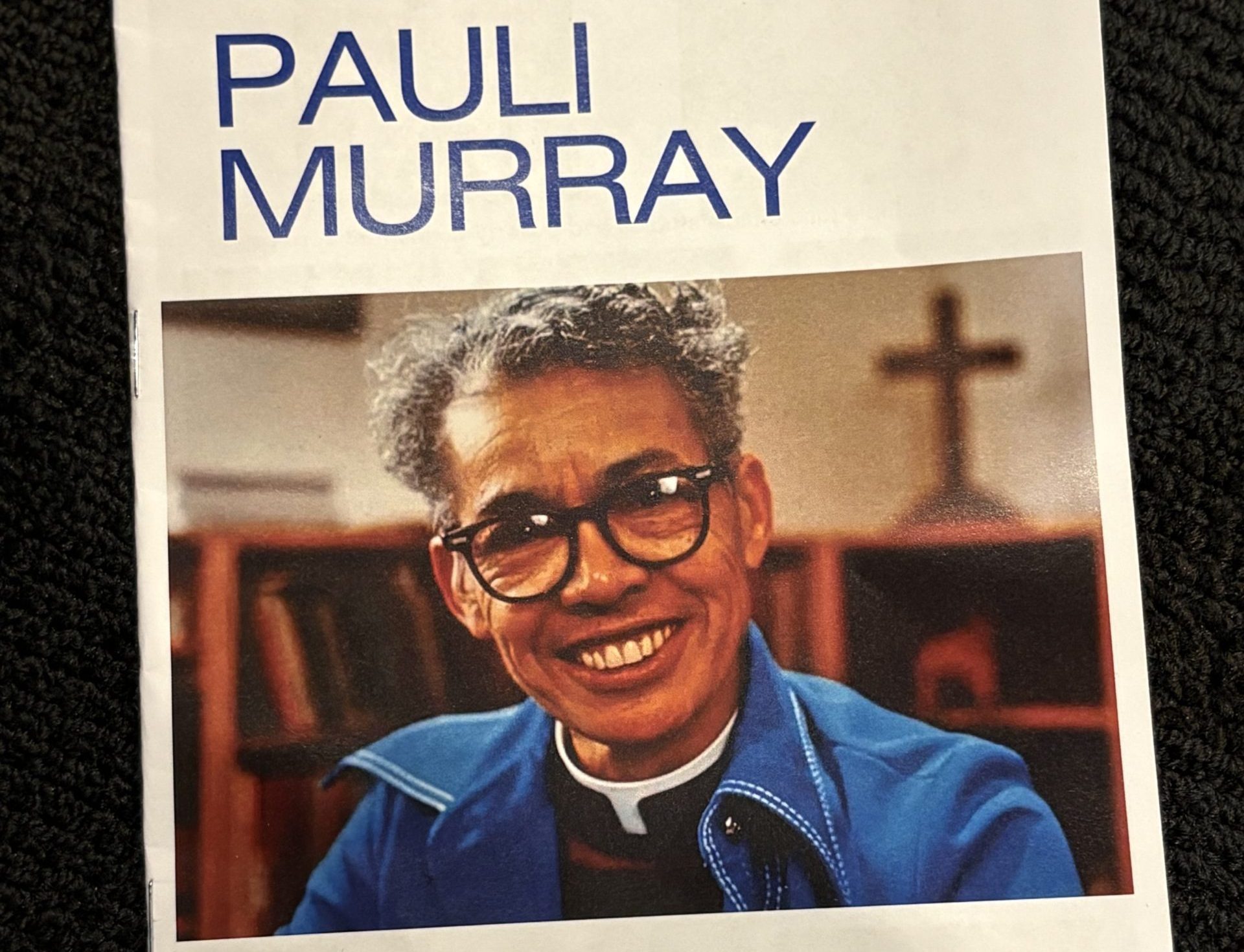
The “Legacy of ACTIVISM: Sincerely yours, Pauli Murray” event is the result of a partnership with the Grand Rapids Women’s Chorus to celebrate the life and achievements of one of the unsung pioneers of the fight for gender equality and civil rights, Dr. Rev. Pauli Murray.
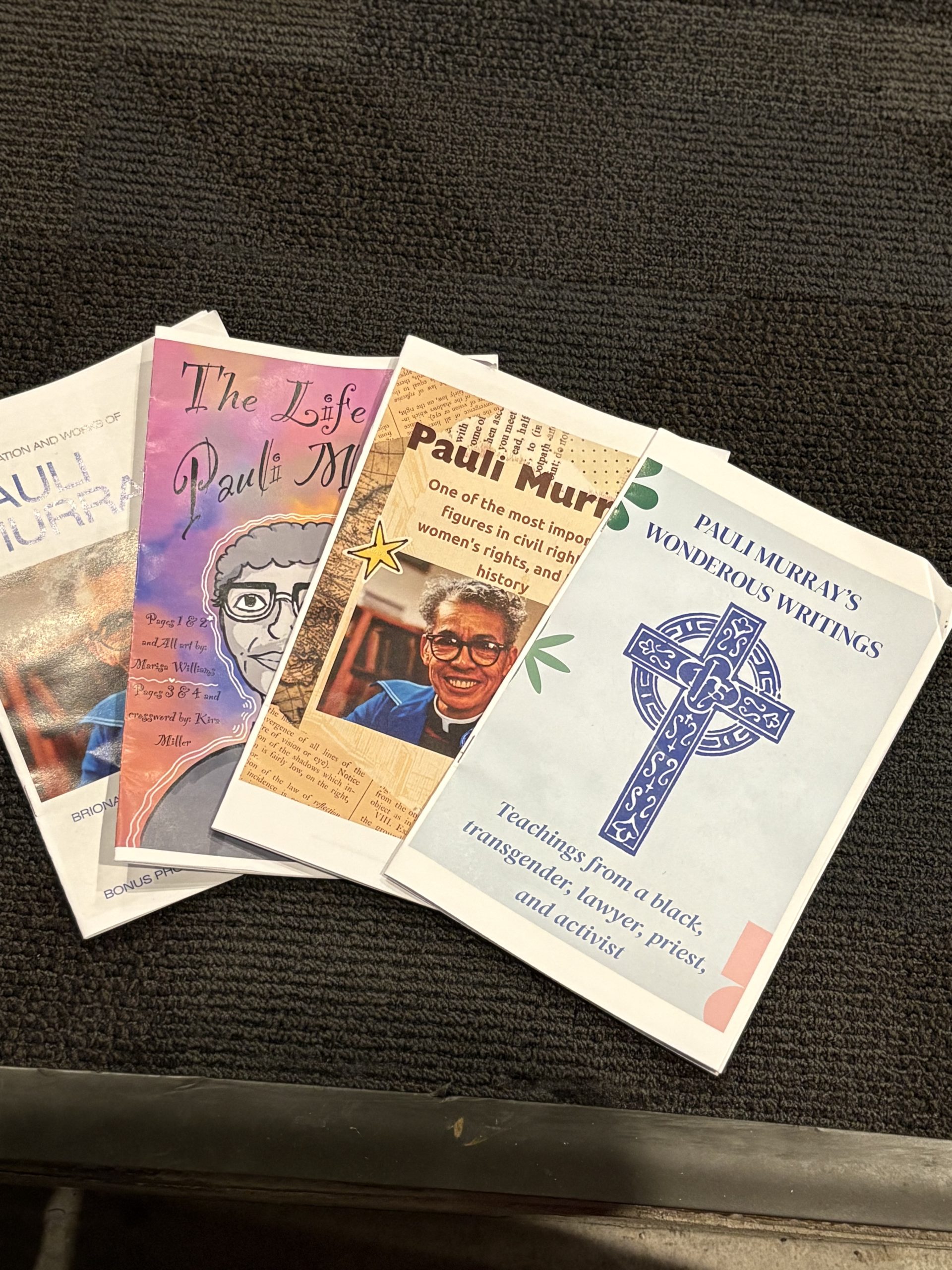
When entering the theater, tables lined the room with zines, memorabilia, and snacks.
The zines were made by students from the Intro To Gender Studies class at GRCC. This class is taught by Emily Pain, assistant professor at GRCC and the organizer of the “Coffee Hour” discussion about Pauli Murray on March 12.
“A lot of the contributions made by people with marginalized identities, especially with multiple marginalized identities, like Murray, have been erased or have been neglected,” said Pain during the coffee hour discussion. “Hopefully, from being here, you learn about how Murray contributed a whole lot, especially in terms of social change, related to racial justice and gender justice.”
The night began with Sharon Vrend-Robinette, an independent scholar and Lead Digital Services Talent Program Specialist at Corewell Health, giving an introduction about the scheduled events, followed by a brief reintroduction of Pauli Murray’s accomplishments.
After the introduction, the documentary began and covered the entire life and accomplishments of Pauli Murray from early childhood, up to Murray’s death in 1985 over the course of two hours.
The documentary, titled “Sincerely yours, Pauli Murray,” portrayed Murray as a testament to resilience toward injustice rather than just explaining her accomplishments. mentioning how her work impacted major changes with the removal of Jim Crow laws, their relationships both platonic and romantic, and her impact on our current world.
Between the ending of the documentary and the beginning of the panel, members of the audience were given the chance to write down a question for the panel to answer. Unfortunately, no one wrote a question down during the break.
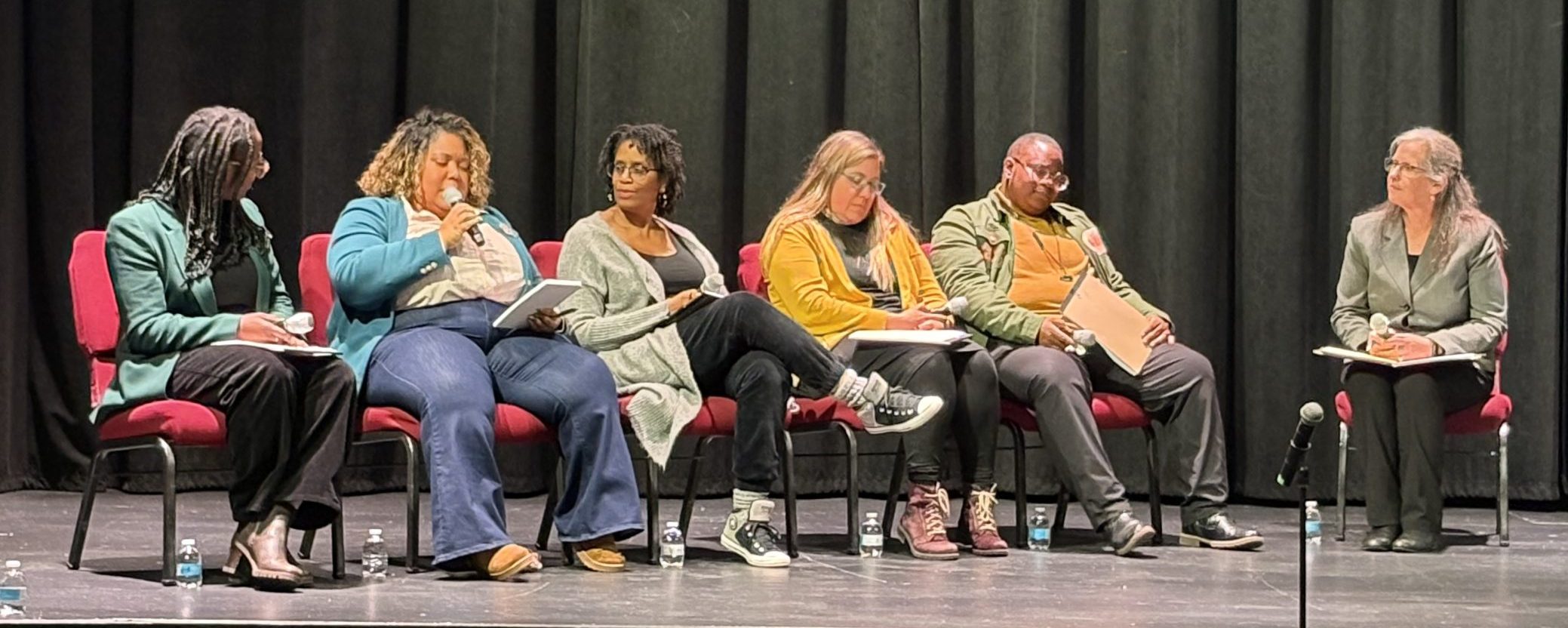
The panel began with an introduction of each member and a rundown of their credentials.
The panel consisted of Rev. Molly Bosscher, Ewurama Appiagyei-Dankah, DL McKinney, Mursalata Muhammad,and Calvetta Watlington. Each member represented different aspects of Murray in their faith, sexuality, accomplishments, and their ability to teach others.
One of the questions for the panel was “What is radical now, but could be normal in the future?”
In response, Appiagyei-Dankah said, “I said that I hope that one thing that will seem radical now but not in the future…For me, a lot of work I do is on immigration, no matter someone’s legal status, where they’re from, where they’re born, no matter their race, their gender, all those traits that truly each person has, is being treated with full dignity, and that no one is lesser than another person. I think it’s really important to surround yourself with people who believe in you deeply and can help you stay motivated on the days where you may feel less sure about yourself or your path. I think it’s really important to always be curious and don’t be afraid, ask any question you have and don’t worry about it being perceived as… if you think your question is stupid, don’t worry about that because it’s more important to be curious and that you seek to keep learning.”
After some questions, the panel began to speak on Murray’s thoughts on treatment with age differences, eventually stating that children are some of the last people to be referred to as property, with members claiming that children should be given more consideration.
Maurice Warren, a member of the audience, asked the panel whether or not parents should stop children from growing up faster than they should.
“I was intrigued by the question professor Muhammed commented on about our need to be more accepting of children as they present themselves to the world,” Warren said. When asked his reasoning behind the question, he explained, “the problem with that is the world that these children will inhabit is very much bent on shaping them into something that, perhaps, none of us want to be eventually, but we’re going to exercise some degree of conformity as children because that’s our world.”
The panel responded by reiterating their prior claim of giving children more consideration, but also agreed that some restrictions are necessary.
“I think they have picked a fabulous individual to talk about and for us to learn about and sing about,” said Jennetch Wright, a member of the GRWC since 2018 who was in attendance. “I think that it’s an interesting look at how they’ve (Murray) been pulled out of history, so we can finally learn about Murray. Before all of this, Murray seemed to be more of an unknown figure for a lot of people. We’ve really enjoyed exploring Murray’s life.”
Additional events honoring Murray are happening throughout the month of March.