By Gabriel Solis
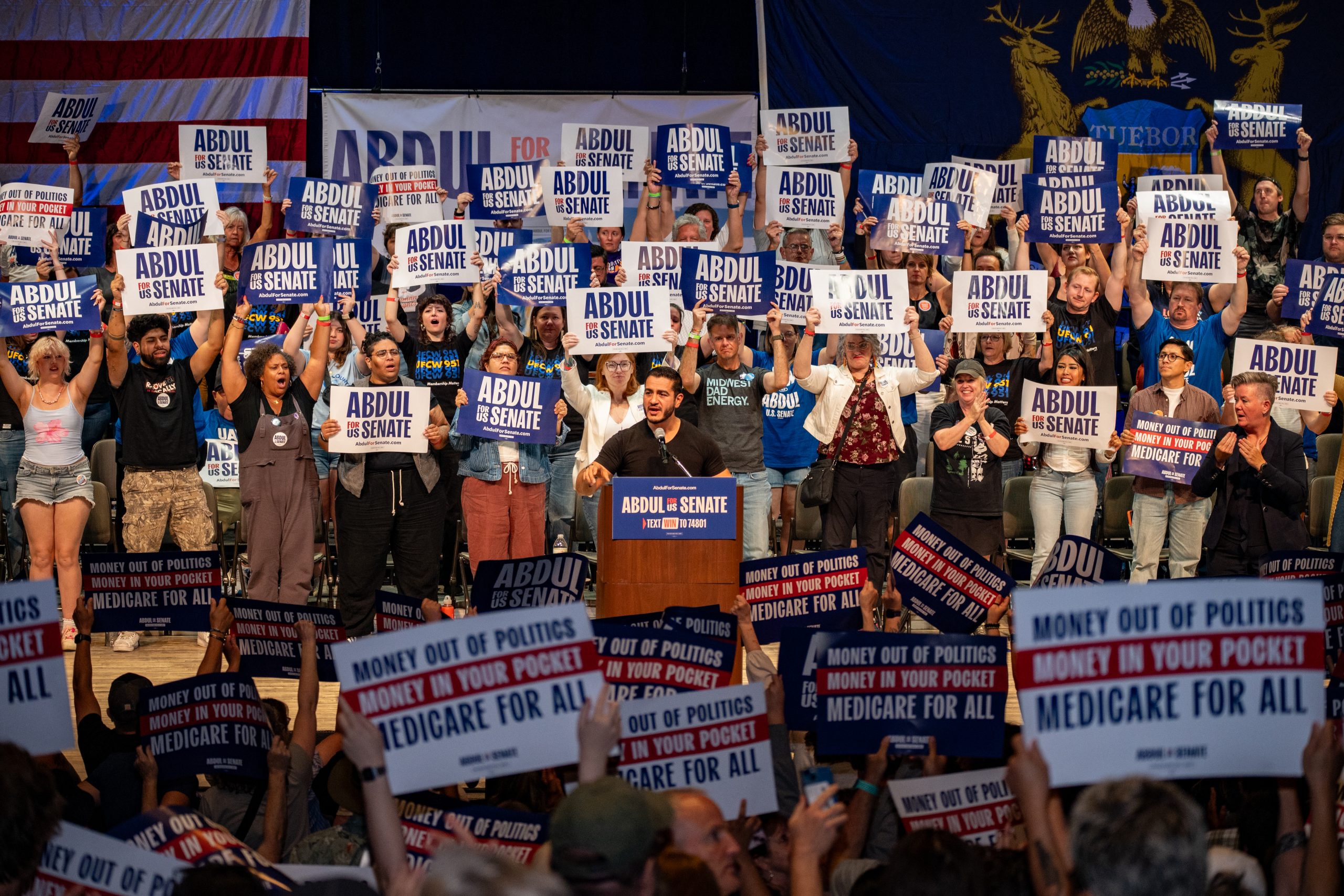
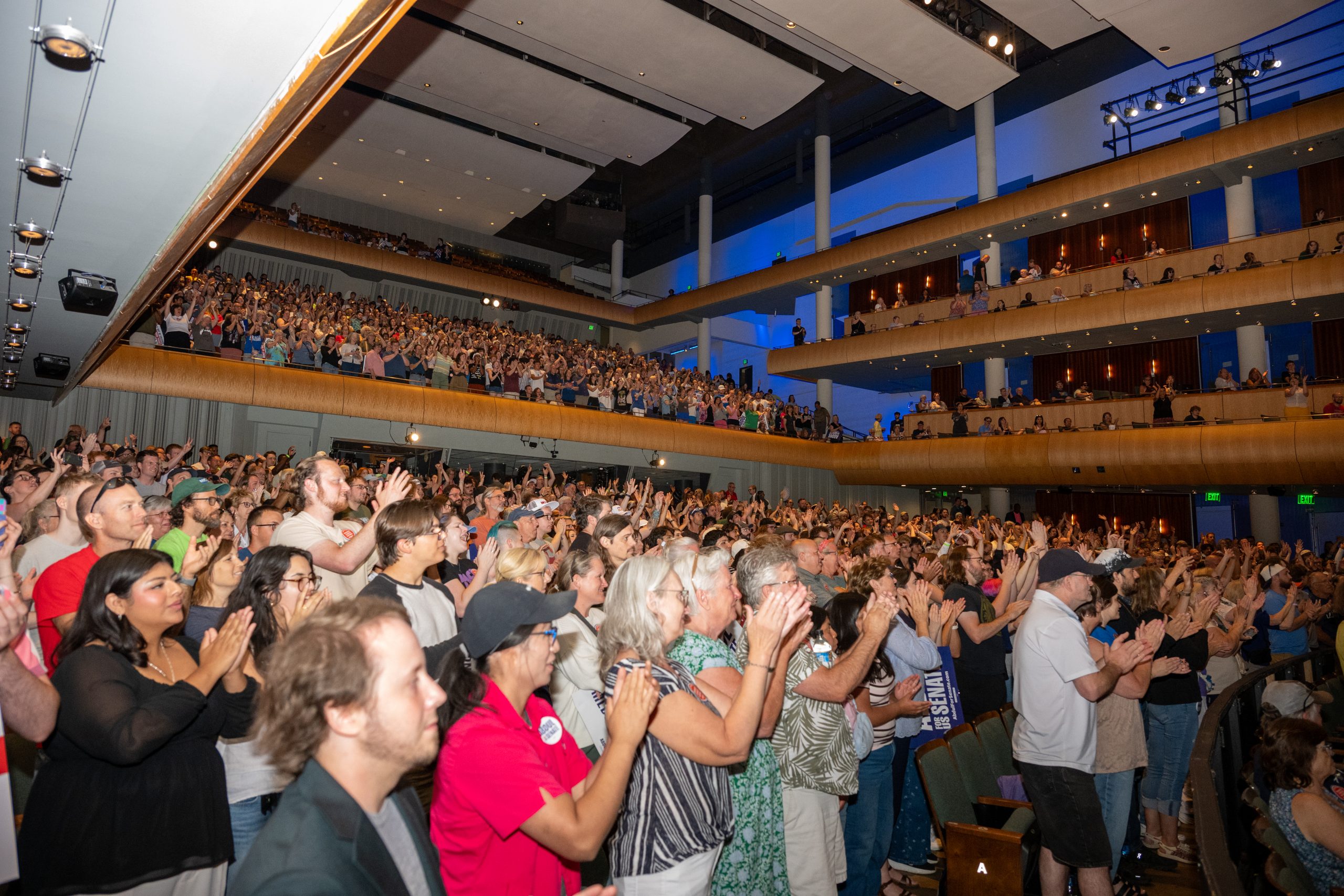
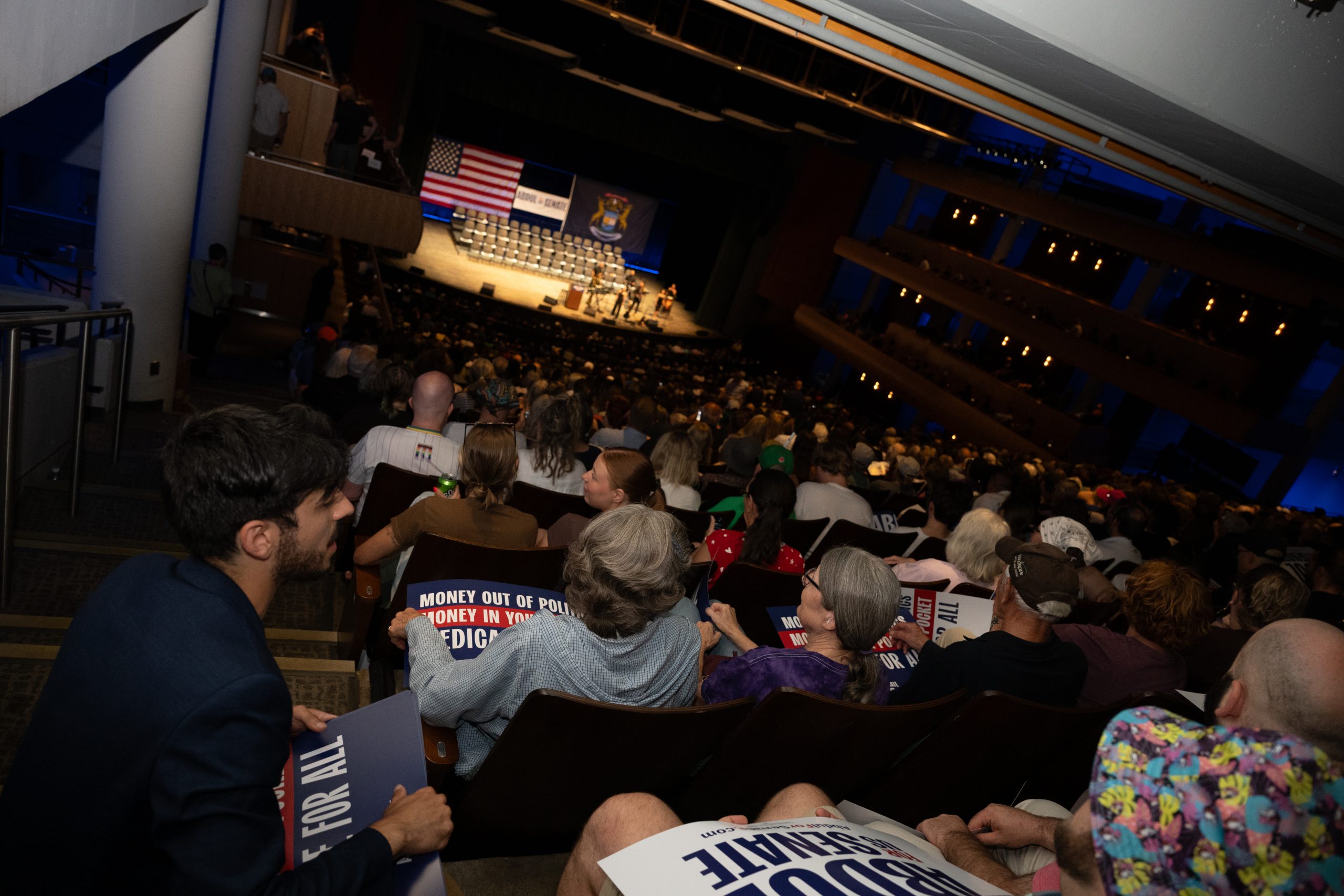
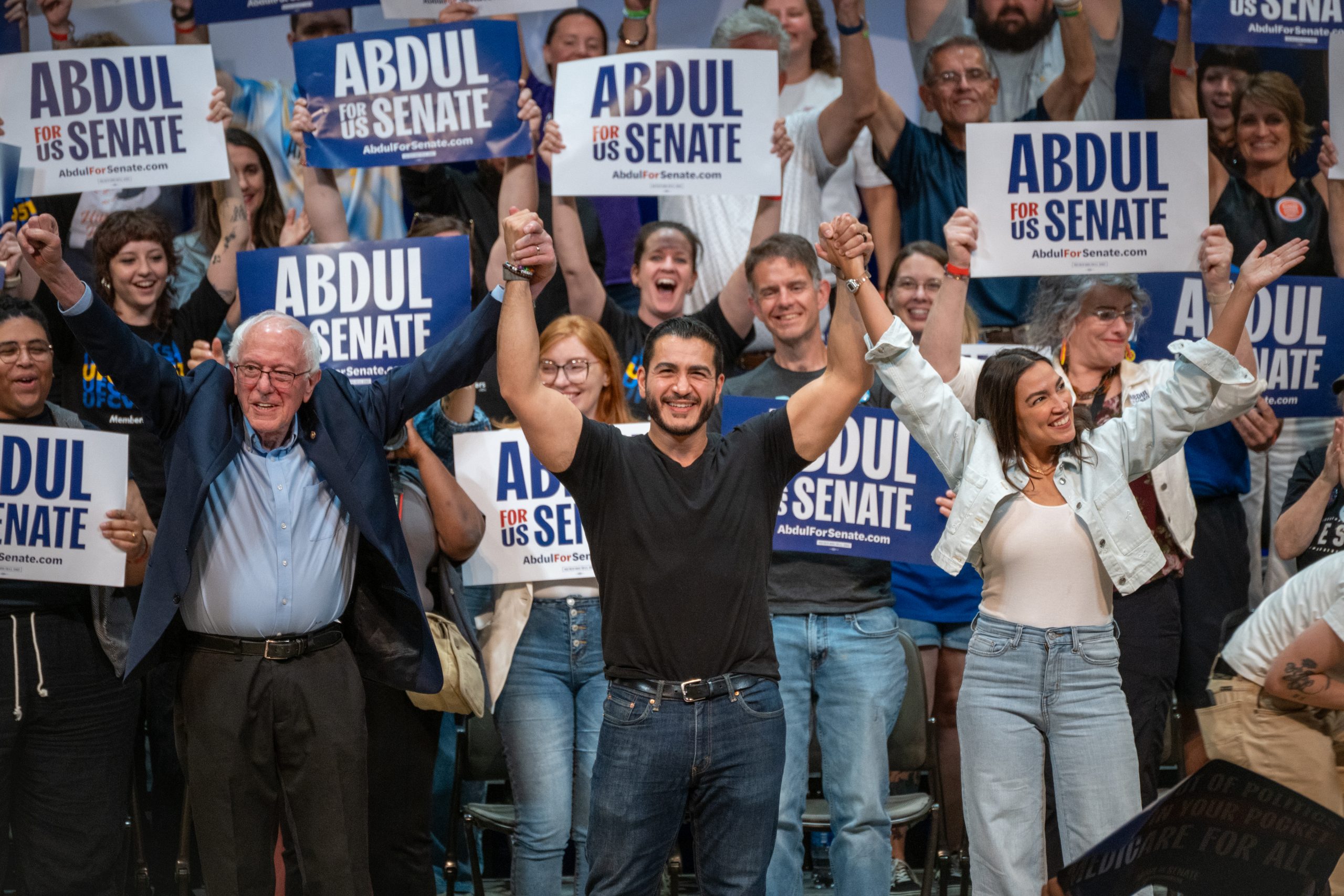
“The People vs. The Powerful,” a rally in support of Abdul El-Sayed’s campaign for Senate, rocked the DeVos Performance Hall in Grand Rapids last night as over 2,000 people turned out to express support for the congressional hopeful. The event began at 6 p.m. and ran for over three hours, including live music and appearances by local city officials as well as remarks from New York Representative Alexandria Ocasio-Cortez and Vermont Senator Bernie Sanders. The evening culminated in a passionate speech by El-Sayed himself.
Grand Rapids-based Latin rock band MexiCuba kicked off the event with a string of enthusiastically performed songs, including a series of popular covers. At one point, El-Sayed joined them onstage to sing along to “Bohemian Rhapsody,” to much applause. Their performance emphasized the diversity of their members and their music, and lasted for about 50 minutes.
Following the music came speeches from Grand Rapids City Commissioners Lisa Knight and Marshall Kilgore. Knight led the audience in a rousing verse of Sam Cooke’s civil rights anthem, “A Change Is Gonna Come,” followed by an equally rousing speech focused on community struggle and individual empowerment. Kilgore, who is both the youngest person ever elected to the Grand Rapids City Commission and the body’s first openly LGBTQ+ Commissioner, delivered remarks detailing his experience facing adversity in his own election and his struggle and eventual success in running against a much wealthier opponent. He drew parallels between the success of his own campaign and what he identified as the potential for success in El-Sayed’s.
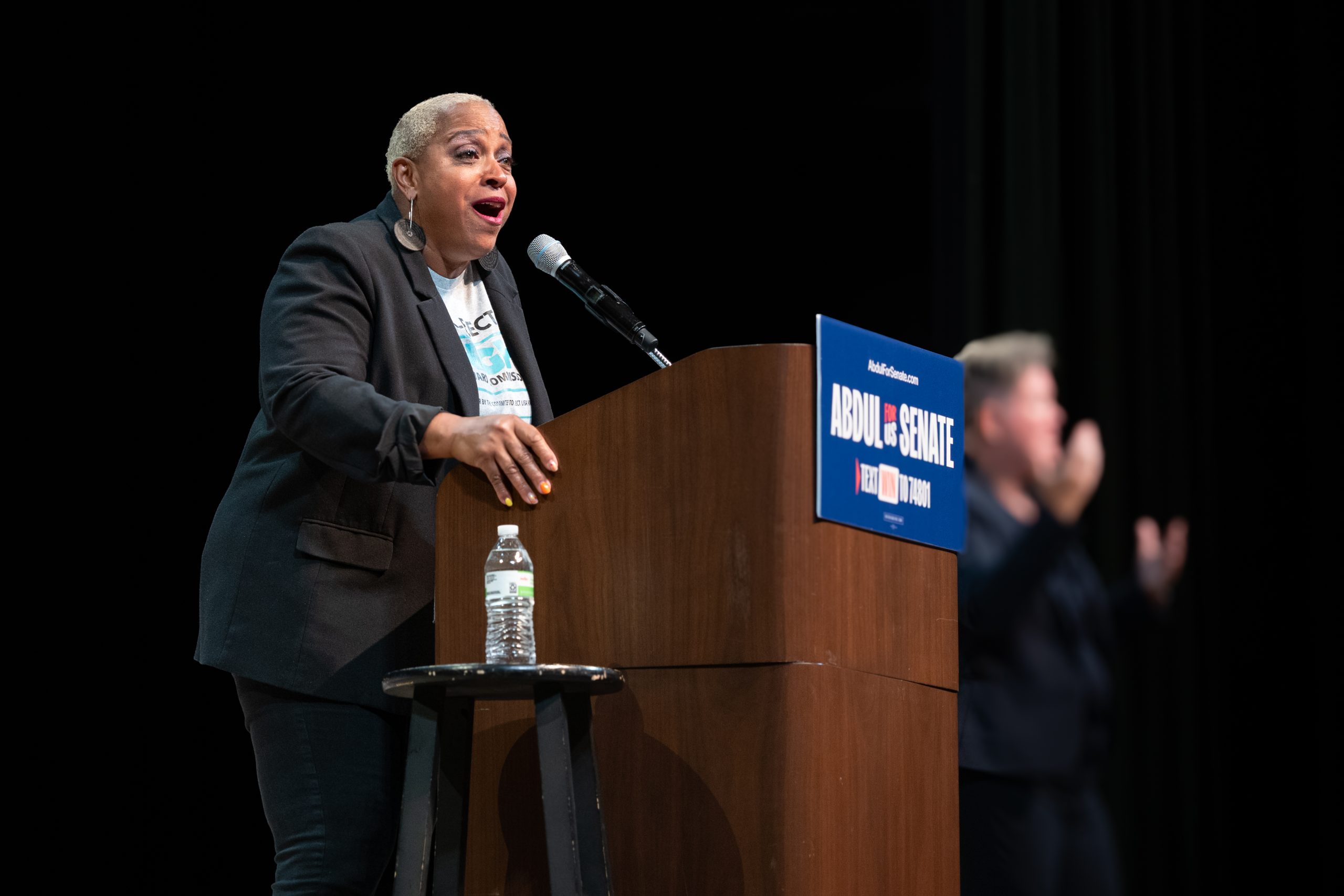
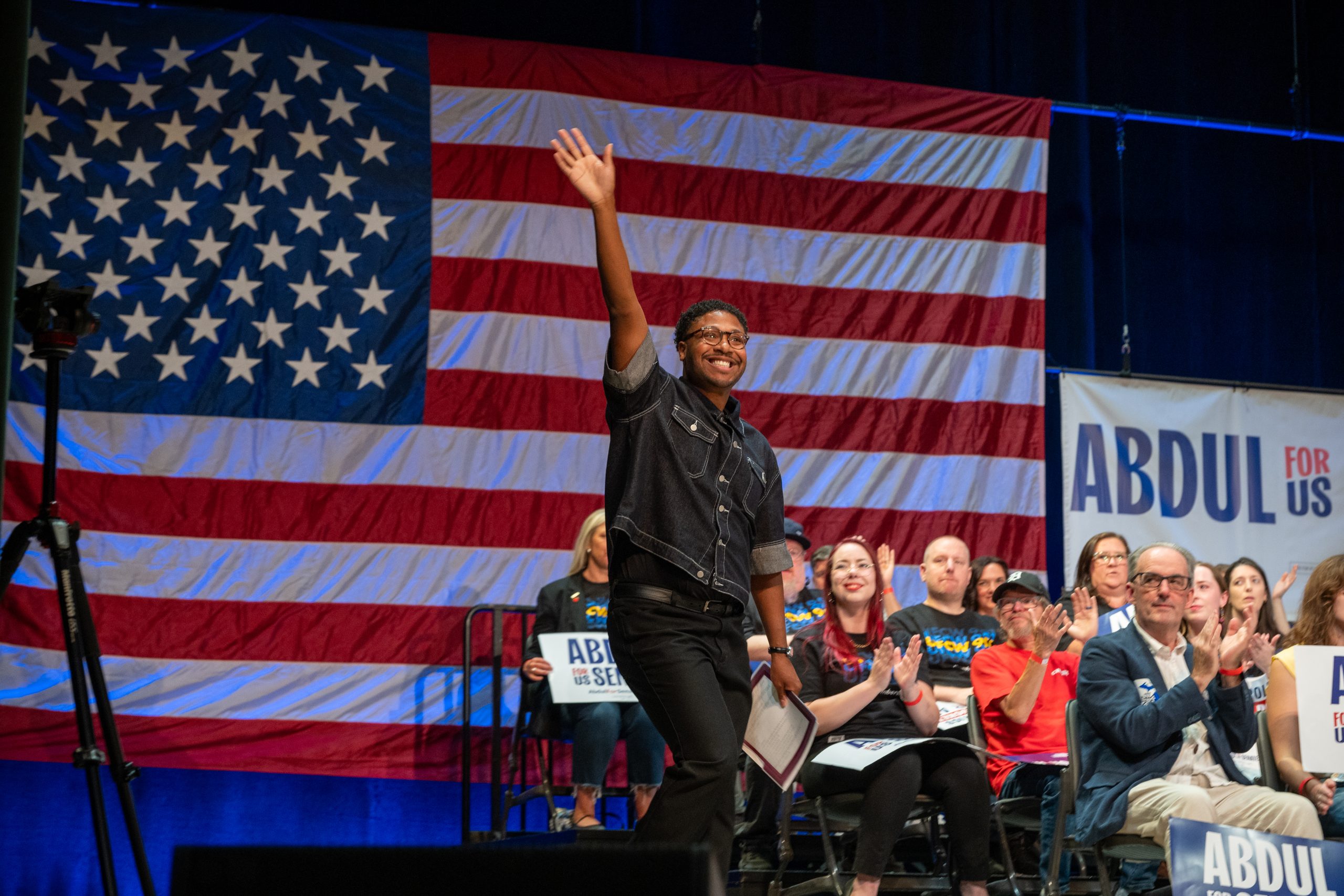
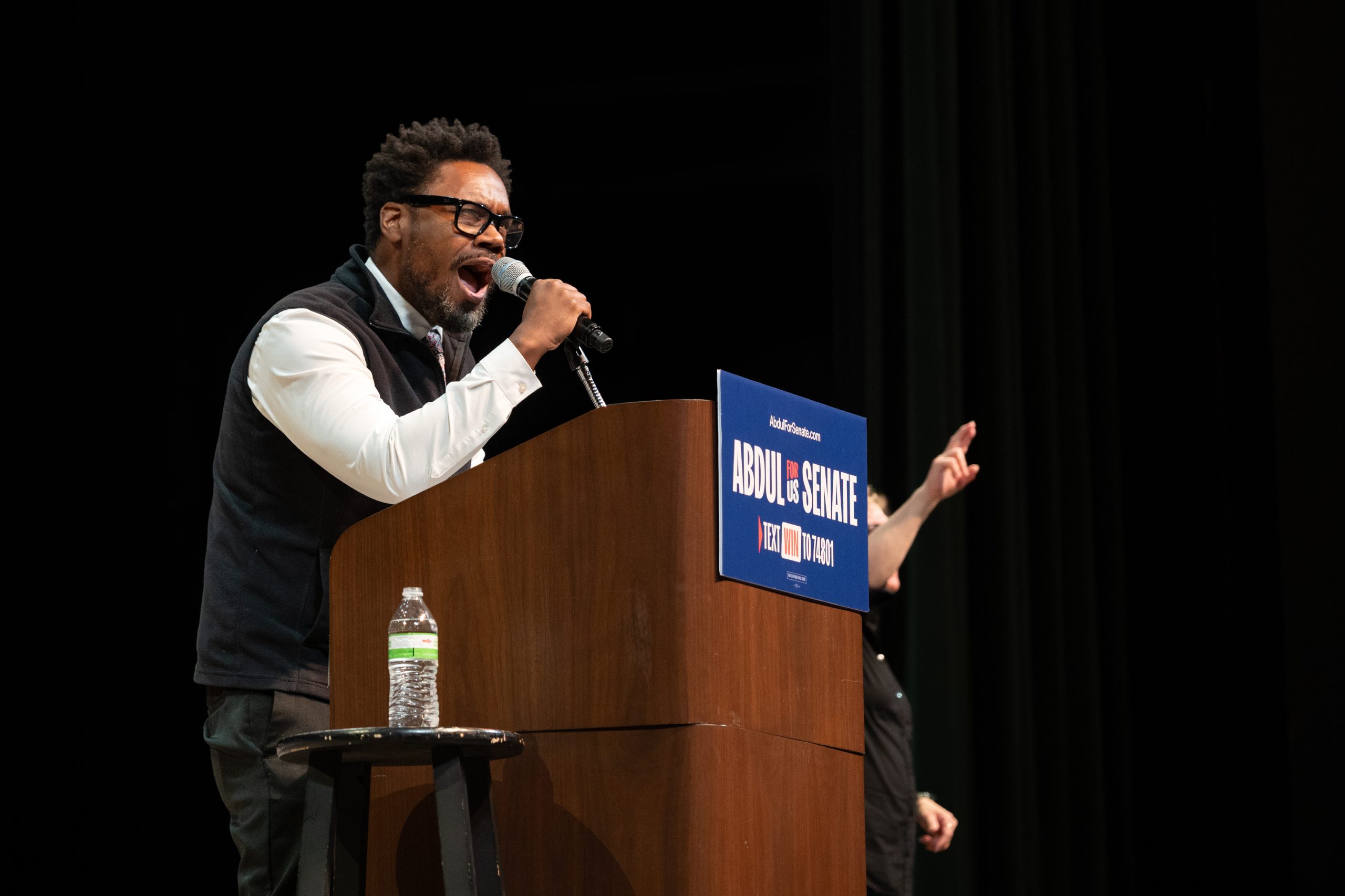
“I know firsthand, money can buy ads, but money cannot knock on every door. Money cannot look at a grandmother in the eye and listen to her concerns. Money cannot replace the power of a neighbor who says, ‘I am with you.’ And that is why I am so proud to stand with Abdul, with all of you tonight,” Kilgore said.
After the city officials came Aaron McCormick, president of the Michigan Nurses Association and Vice President of National Nurses United, which earlier this year endorsed El-Sayed in the race for Senate. McCormick’s speech touched on many of El-Sayed’s campaign cornerstones, especially healthcare reform.
“We don’t have time to wait. We need healthcare champions in office. Leaders who ignore healthcare lobbyists and who listen to working people. Abdul El-Sayed is one of those leaders,” McCormick said.
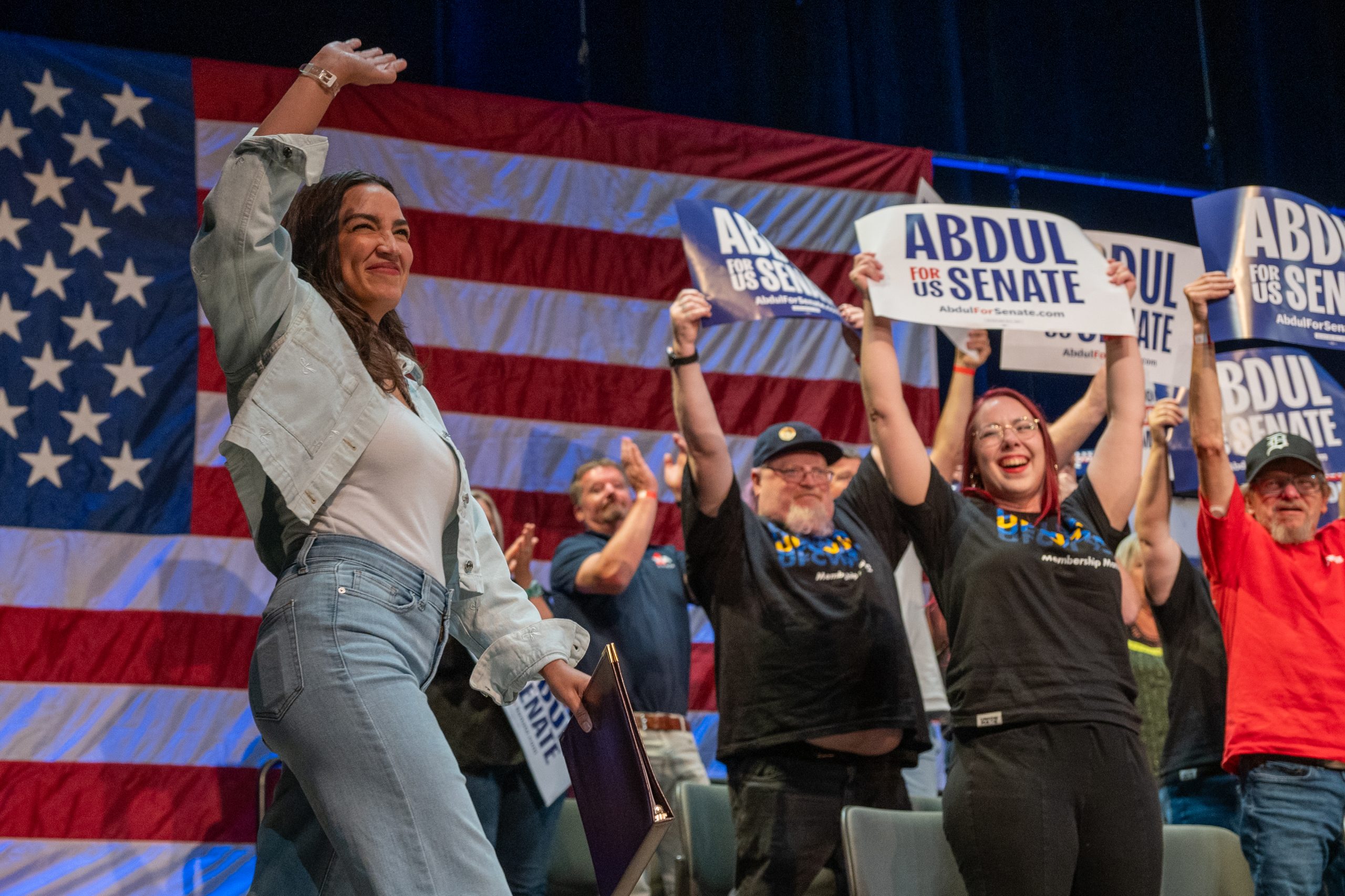
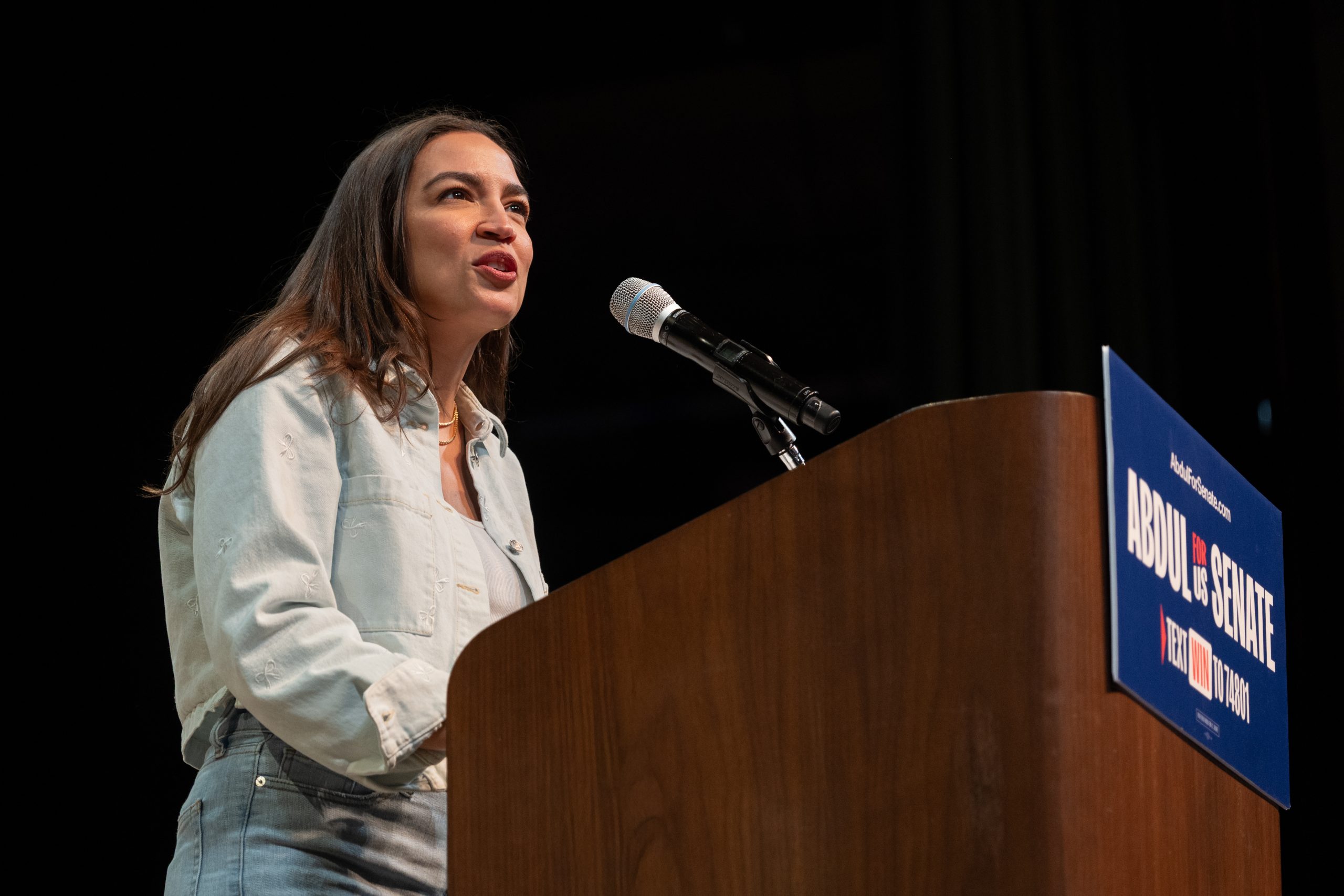
The next speaker was Congresswoman Ocasio-Cortez, who stressed that Democrats need a majority in Congress in order to effectively combat the actions of the Trump administration. Ocasio-Cortez was also the first speaker of the evening to acknowledge the growing divide between traditional and progressive Democrats.
“It wasn’t just that Donald Trump won,” she said. “It was that Democrats lost. And the moment we are willing to admit and name some of the causes of that is the same moment that we can start turning the ship around.”
Ocasio-Cortez also spoke extensively about social issues such as wealth inequality, and emphasized what she described as the need to remove corporate money from politics, which has been a key plank of El-Sayed’s campaign platform.
“Rejecting big money is the responsible and right thing to do,” she said. “It’s the only way that we can actually stand up and make the changes that we need to make once we get there. Because once you get to Washington, if you got there with their money, you’re not going to turn around and change it.”
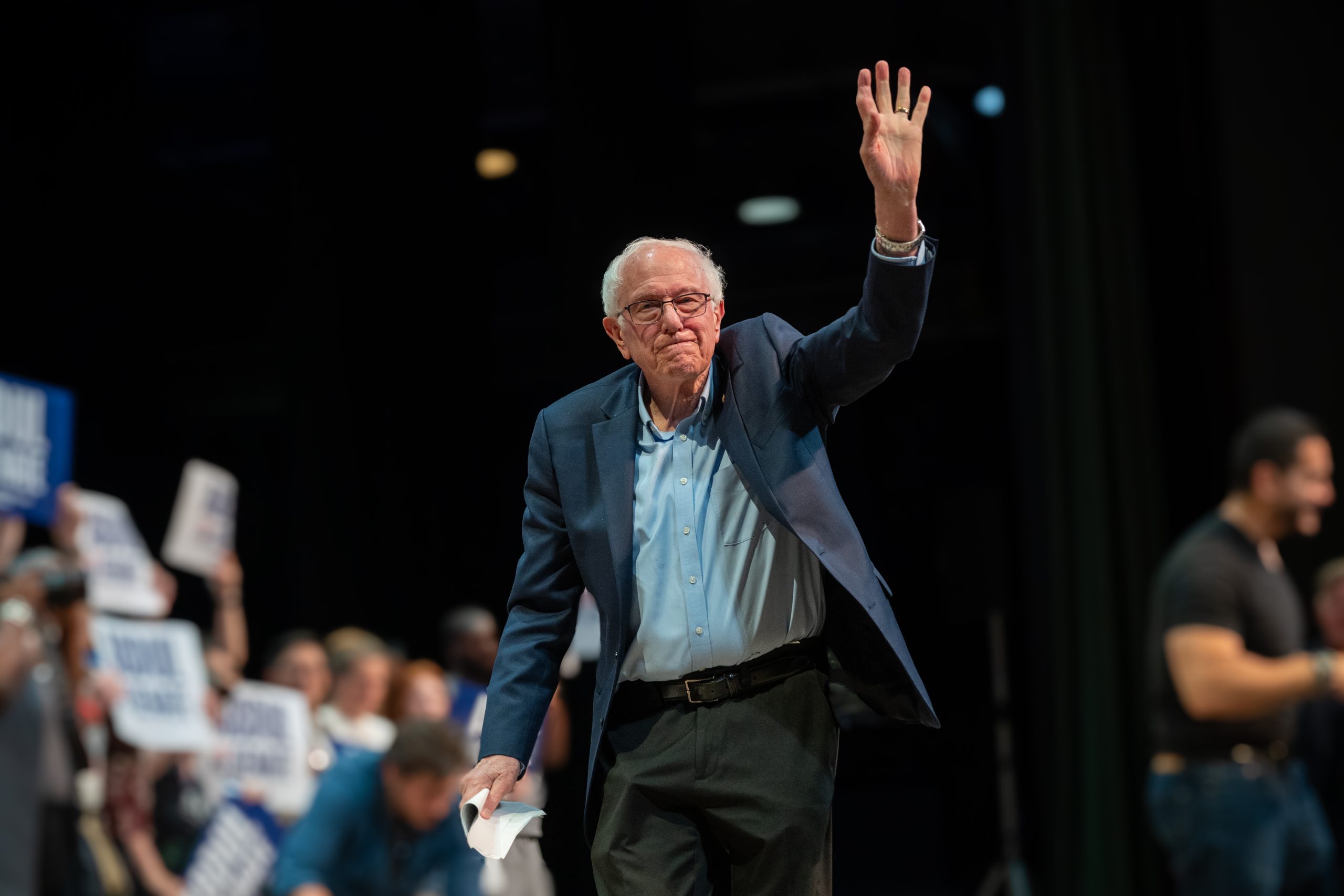
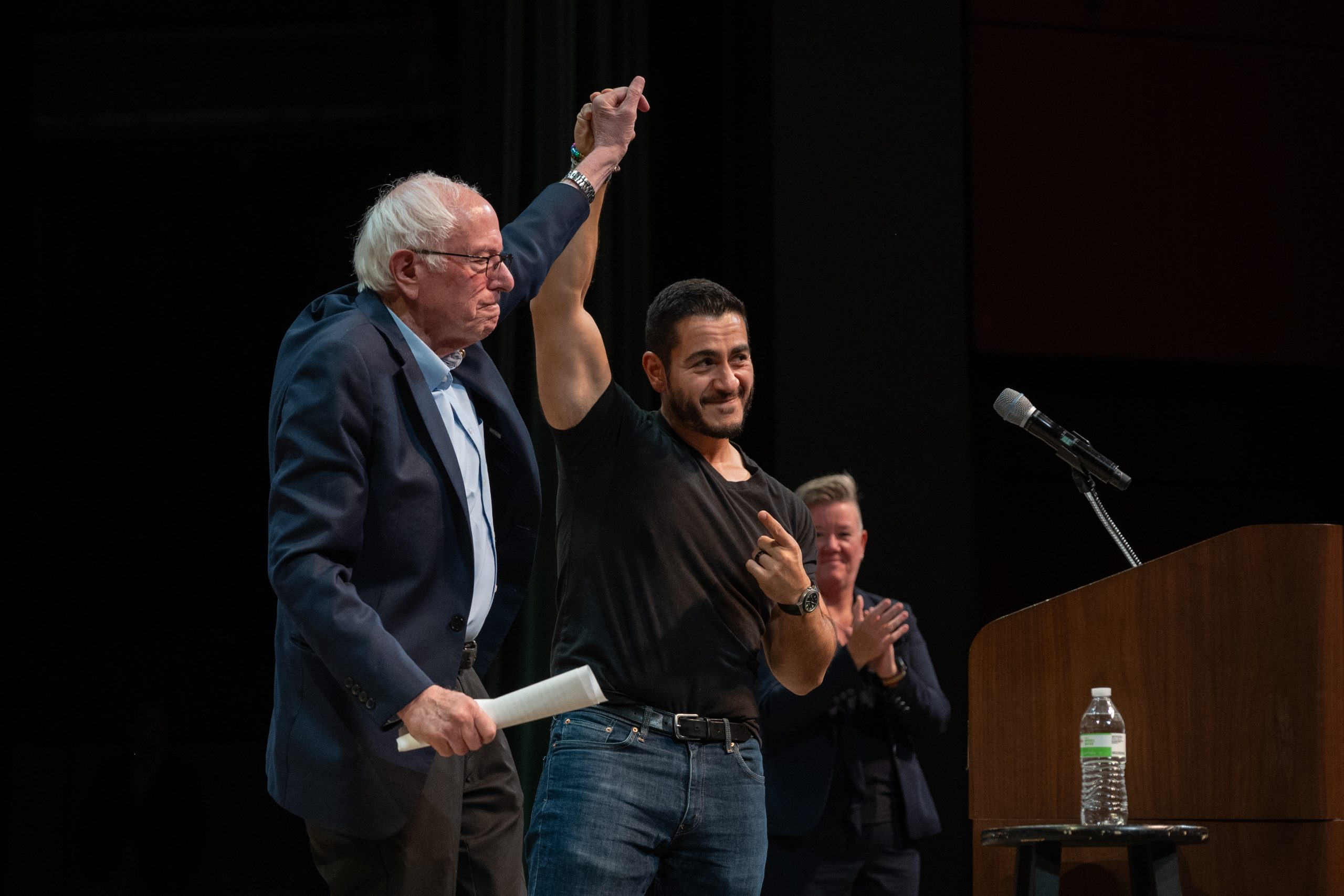
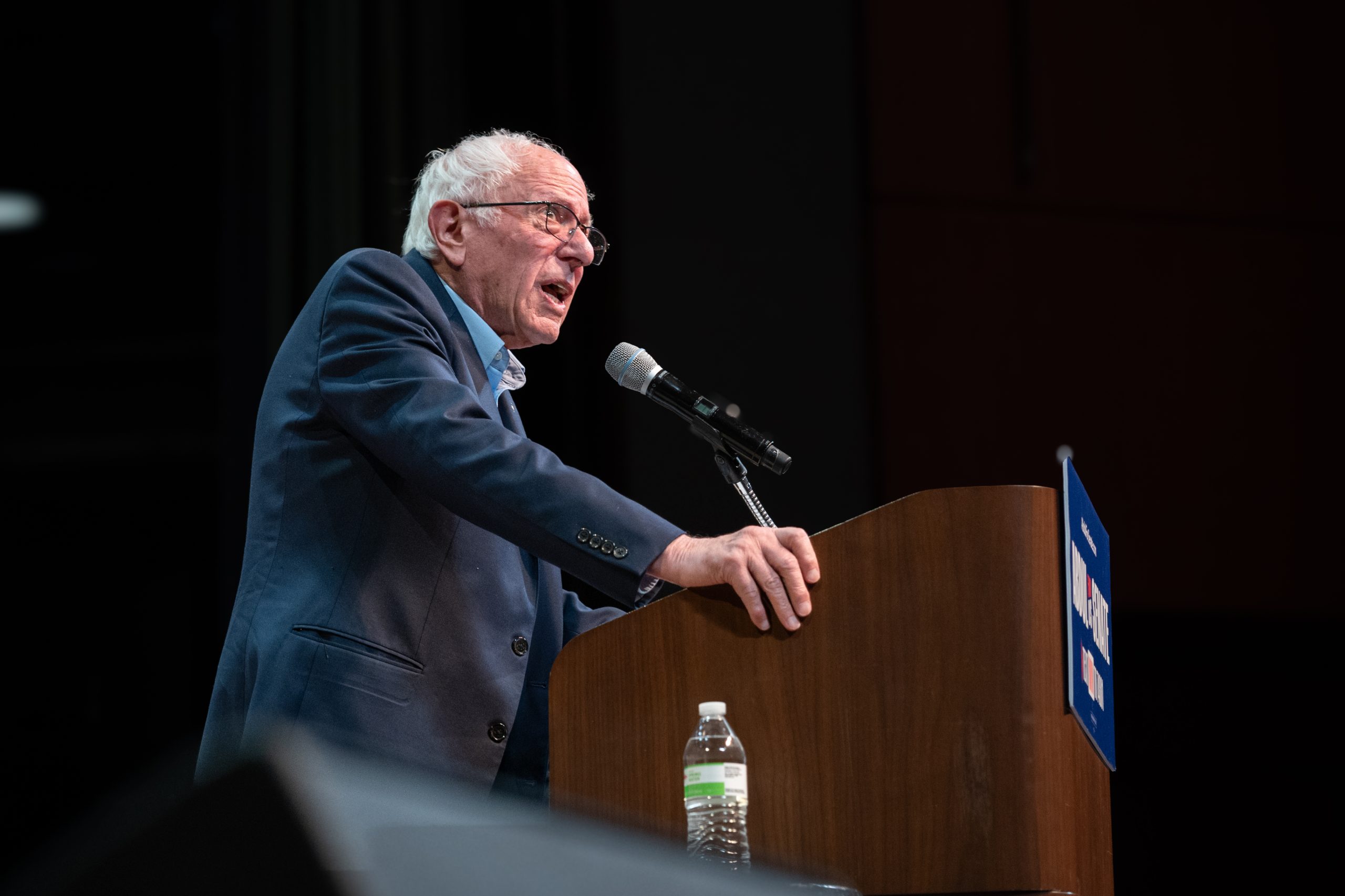
As her speech concluded, Ocasio-Cortez introduced Senator Sanders, who comfortably took the stage and delivered an emphatic but down-to-Earth speech that contextualized the Senate race as a pivotal moment in American politics.
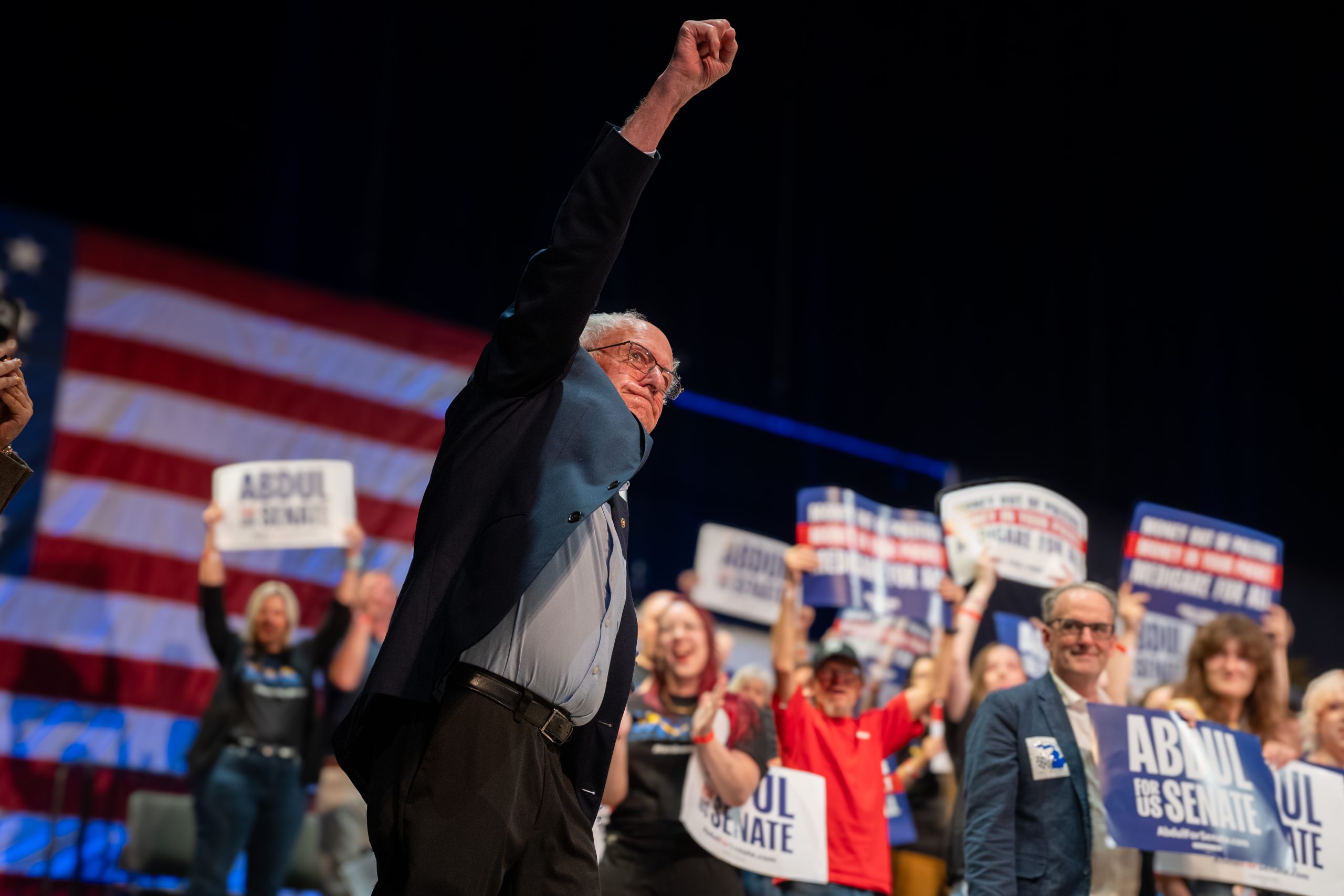
“It is an election in which the whole country is watching,” he said. “They’re watching because they understand that Abdul … is taking on the entire billionaire class.”
Sanders went on to juxtapose the struggles of working-class Americans with the actions of the Trump administration, which he characterized as “very dangerously authoritarian,” and detailed what he described as the ways in which the working class has suffered as a result of the administration’s policies, particularly the “Big Beautiful Bill.” He, too, touched on wealth inequality, calling the wealth gap “far, far worse than it was during the Gilded Age,” and additionally dismissed the notion that El-Sayed’s policies are in any way radical, noting that the U.S. is the only developed nation in the world not to guarantee health care to its citizens. He also discussed AI, the Israeli-Palestinian conflict, and the education system. He closed his remarks by urging voters to remember that their actions, on an individual level, would be crucial to ensuring that El-Sayed will be elected.
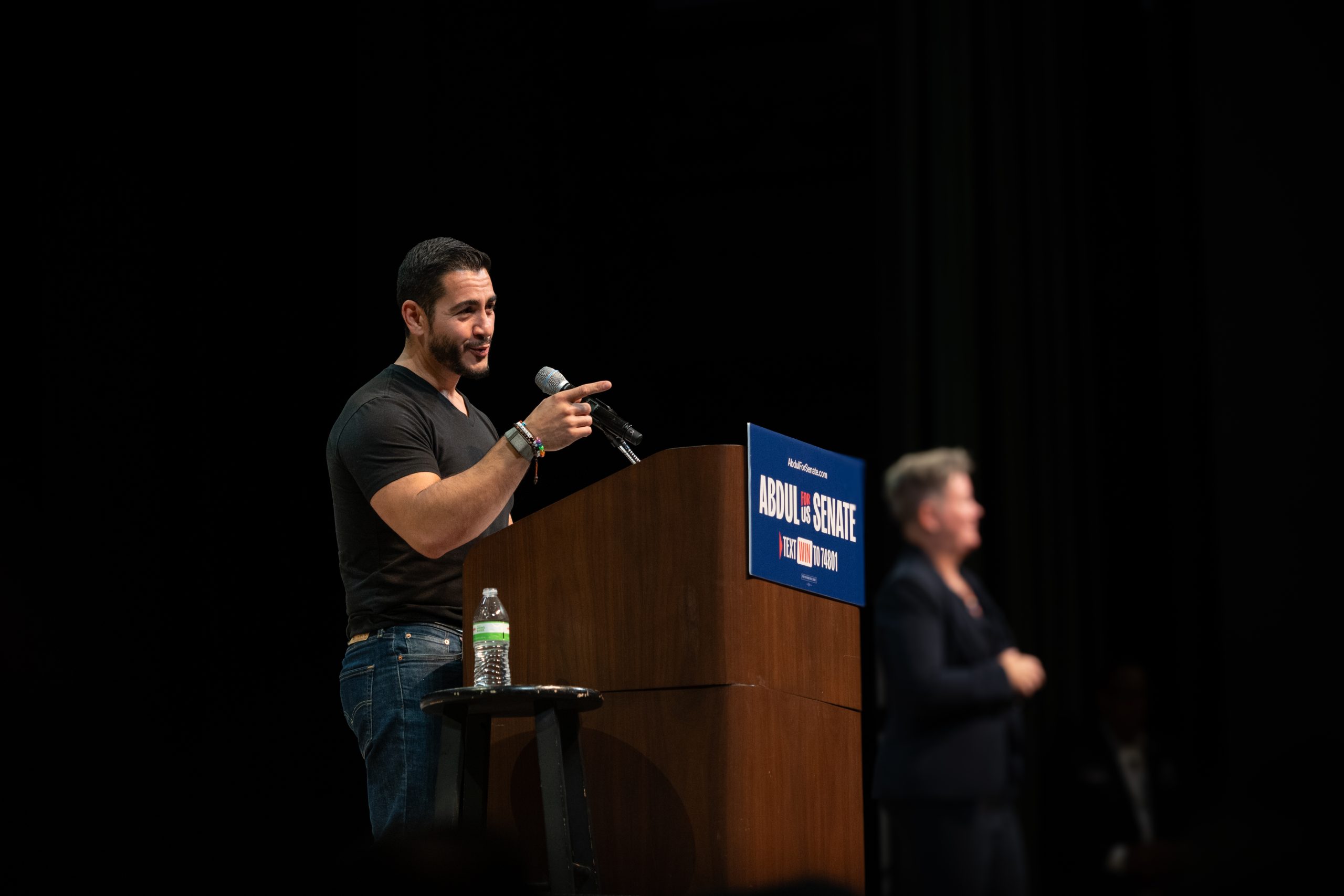
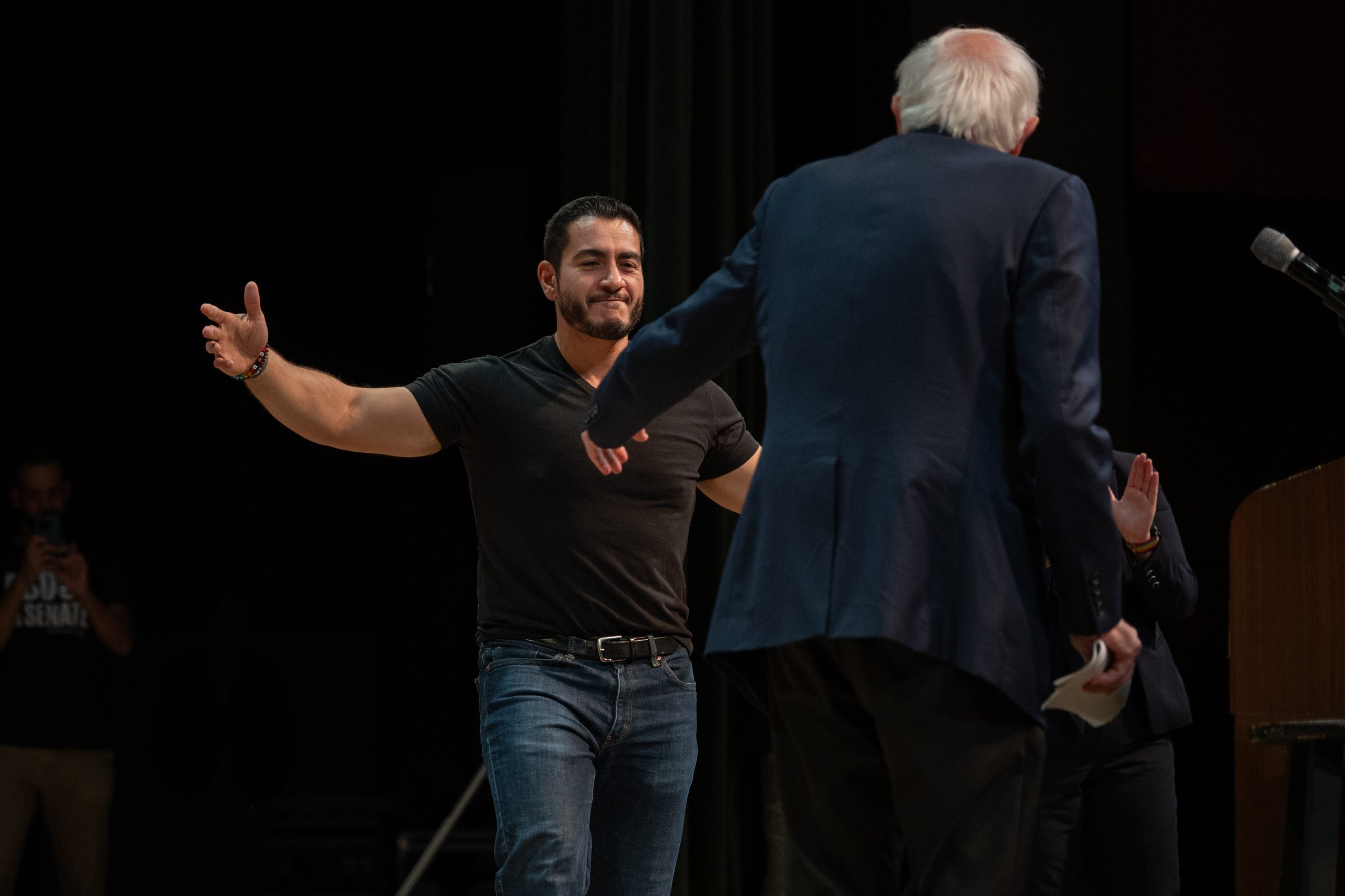
With that, El-Sayed took the stage, enthusiastically greeting supporters as he made his way to the podium. The thundering applause that had already marked the evening became nearly deafening as he appeared. He wore jeans and a black T-shirt, casual garb that has become a hallmark of his everyman image, and his speech was similarly accessible.
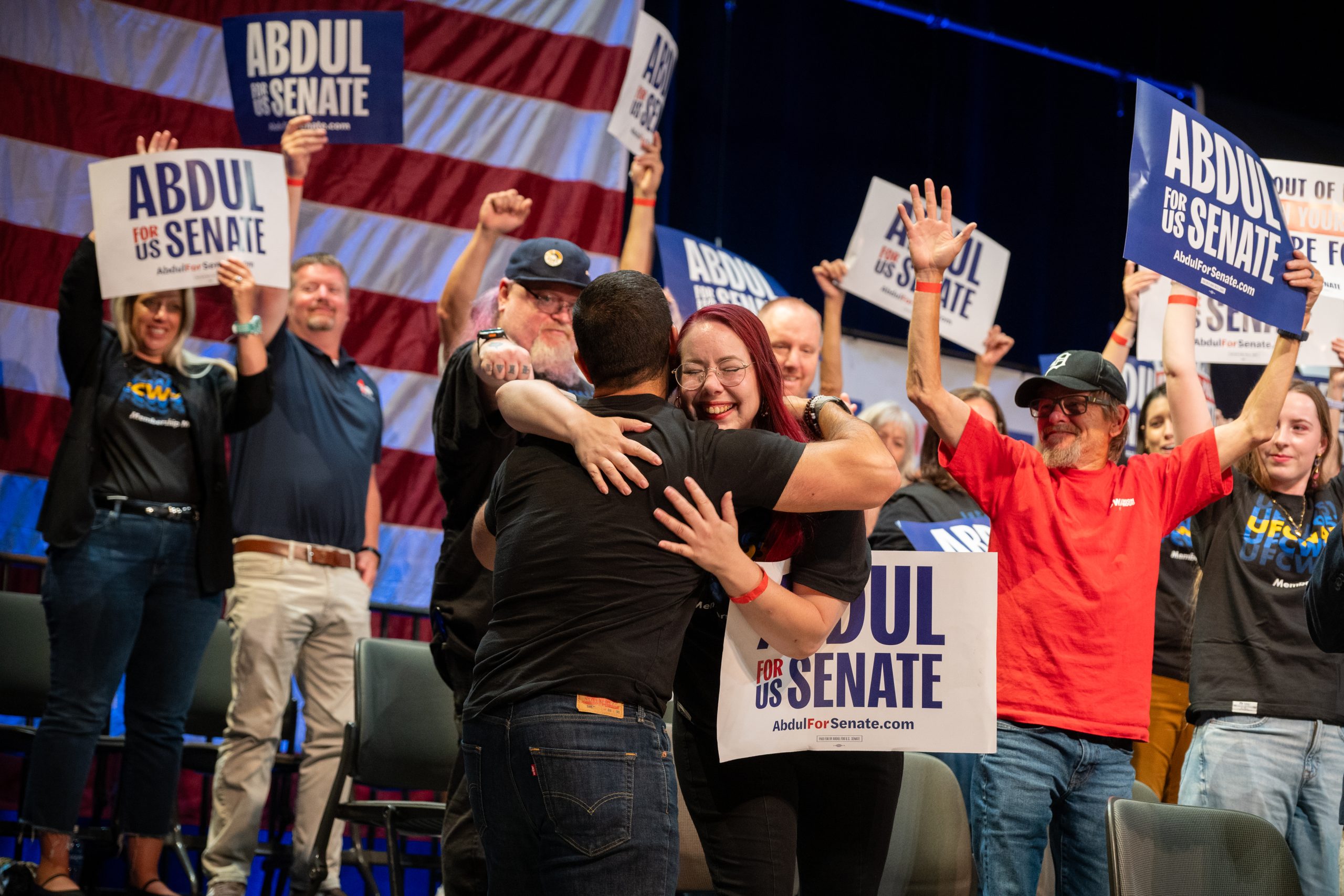
Notably, he began by going into the most detail of all the speakers on the rift in the Democratic Party, noting that his campaign and others like it are a major cause of the divide.
“I get it. A lot of Democrats wringing their hands,” he said. “They tell you they’re so worried that I can’t win. Let me tell you what they’re really worried about: they’re worried that I will win.”
El-Sayed detailed the discrimination he has faced in his political endeavors, and sought to dispel any notion that he is in any way anti-American.
“When you run for office with a name like mine, praying like I do, people like to come out of the nether regions of the internet trying to talk about, ‘oh, you hate America,’” he said. “Don’t get it twisted. I love America … but I also love America enough to be honest with America.”
Then, through the filter of humor and approachable rhetoric, El-Sayed reiterated the campaign platforms that had been discussed at length by other speakers throughout the night, such as wealth inequality, governmental reform, health care reform, and education reform. He also detailed his experience as a public health official in Detroit, which included reform in these areas on a local level.
He touched on his failed 2018 gubernatorial bid (“I went big, I went home,” he joked), and expressed the opinion that voters were not ready to be receptive to his platform at the time.
“We said something at the time I think folks weren’t quite ready to hear, that has only matured since then: Donald Trump is not himself the disease of our politics. He’s just the worst symptom of the disease of our politics,” El-Sayed said. He went on to argue that the issues with the American governmental system are far more structural than one person.
El-Sayed concluded his speech on a hopeful note, stating to massive cheers, “We will prove that we, the people, are equal if not bigger than (the establishment’s) money, than their power, than their cynicism, and we will build it together.”
In a small press conference after the event, El-Sayed expressed satisfaction with the turnout of the event.
“In the end, politics is about people and what moves them,” he told reporters. “You had (2,678) people here today. Can’t buy that with $50 million. You just can’t. And at the end of the day, it’s going to be the money versus the many. And we proved out what the many look like.”
A recording of the speeches given at the event can be viewed here.