By Ari’ Browley
On Sunday, Sept. 20, U.S. Immigration and Customs Enforcement (ICE) was involved in the death of another civilian, and this time, the tragedy occurred closer to home.
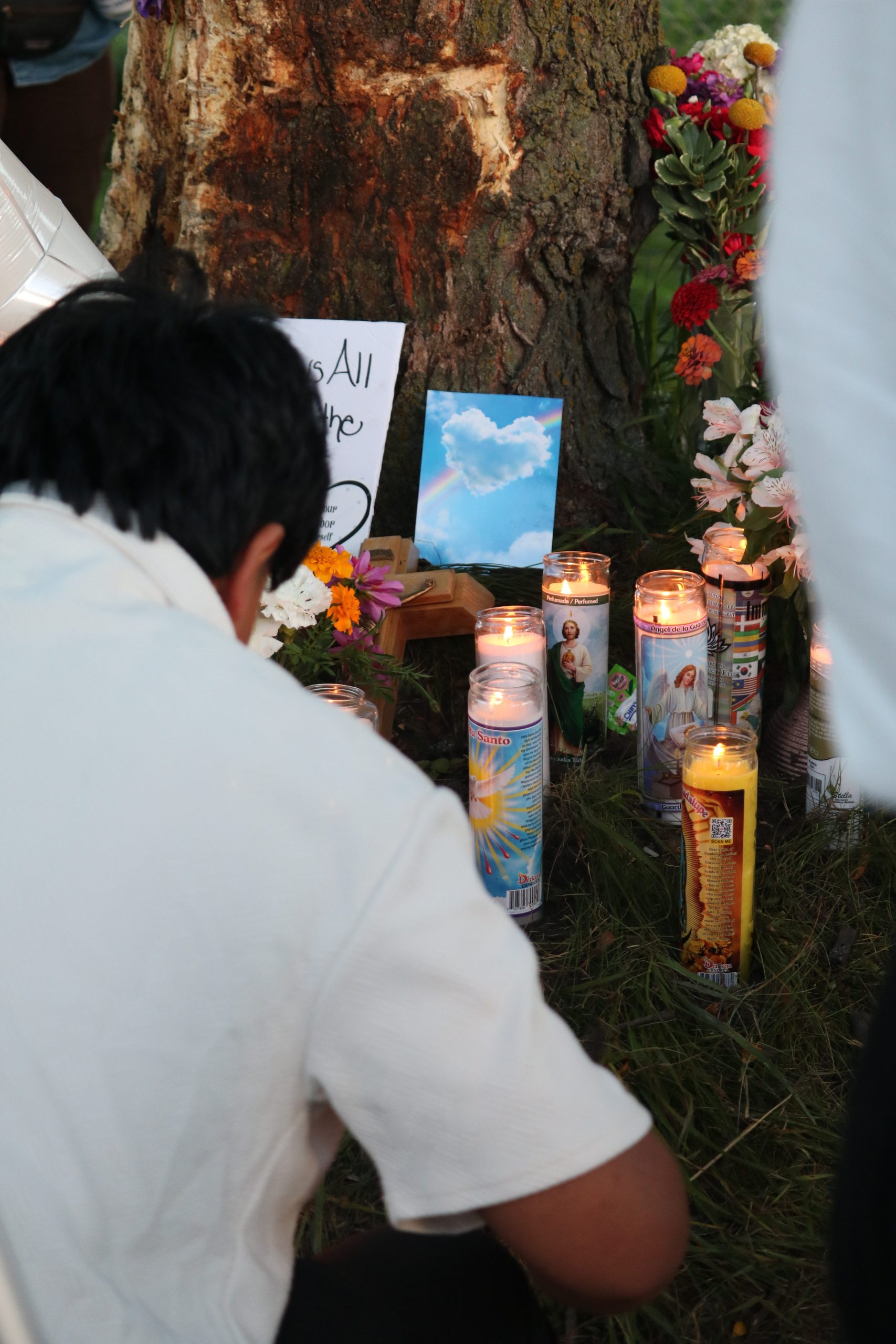
According to a press release from Grand Rapids Police, around 7 a.m. on that Sunday, ICE attempted to stop Guatemalan native Mario David Coronado Juárez, 36, who was living in Grand Rapids and working as a drywaller. Coronado Juárez reportedly fled from the scene, leading to a fatal accident when his car crashed into a tree near southbound Century Avenue and McKendrick Street.
At approximately 7:10 a.m., GRPD and GRFD responded to the car crash, which turned into a fire. Coronado Juárez was confirmed as the only occupant in the vehicle and was pronounced dead at the scene.
GRPD clarified that the department had no involvement or knowledge of the situation prior to responding to the crash.
In a statement released by the Department of Homeland Security (DHS), it was confirmed that ICE agents tried to stop Coronado Juárez, and as they tried to identify him, he fled the scene. DHS also reported that agents did not pursue Coronado Juárez in “the interest of public safety.”
DHS’s statement further explained that the ICE agents attempted to stop Juárez because the vehicle he was driving was “registered to a known criminal illegal alien with multiple alcohol-related driving offenses who is also wanted in Guatemala for a drunk disorderly charge.”
However, DHS reported that Coronado Juárez was not registered to the vehicle. Therefore, he was not the “known criminal illegal alien” ICE agents were looking for.
On Thursday, Sept. 24, Mayor David LaGrand released a statement about the incident.
“This tragedy is under investigation,” the statement read. “While there are many unanswered questions, it is clear that Mario fled from ICE agents prior to the crash…While we don’t know what Mario was thinking and feeling, we know that his death happened in the context of a national effort to create fear among our immigrant neighbors. The elevated activities of ICE across our country have been central to this increased fear.”
LaGrand’s statement further explained that he, along with City Manager Mark Washington and Police Chief Joseph Trigg, decided to request that the Michigan State Police take part in the investigation into the incident.
The investigation remains ongoing, but many Grand Rapids community members have described the tragedy as the result of racial targeting, a problem many people of color face in America today.
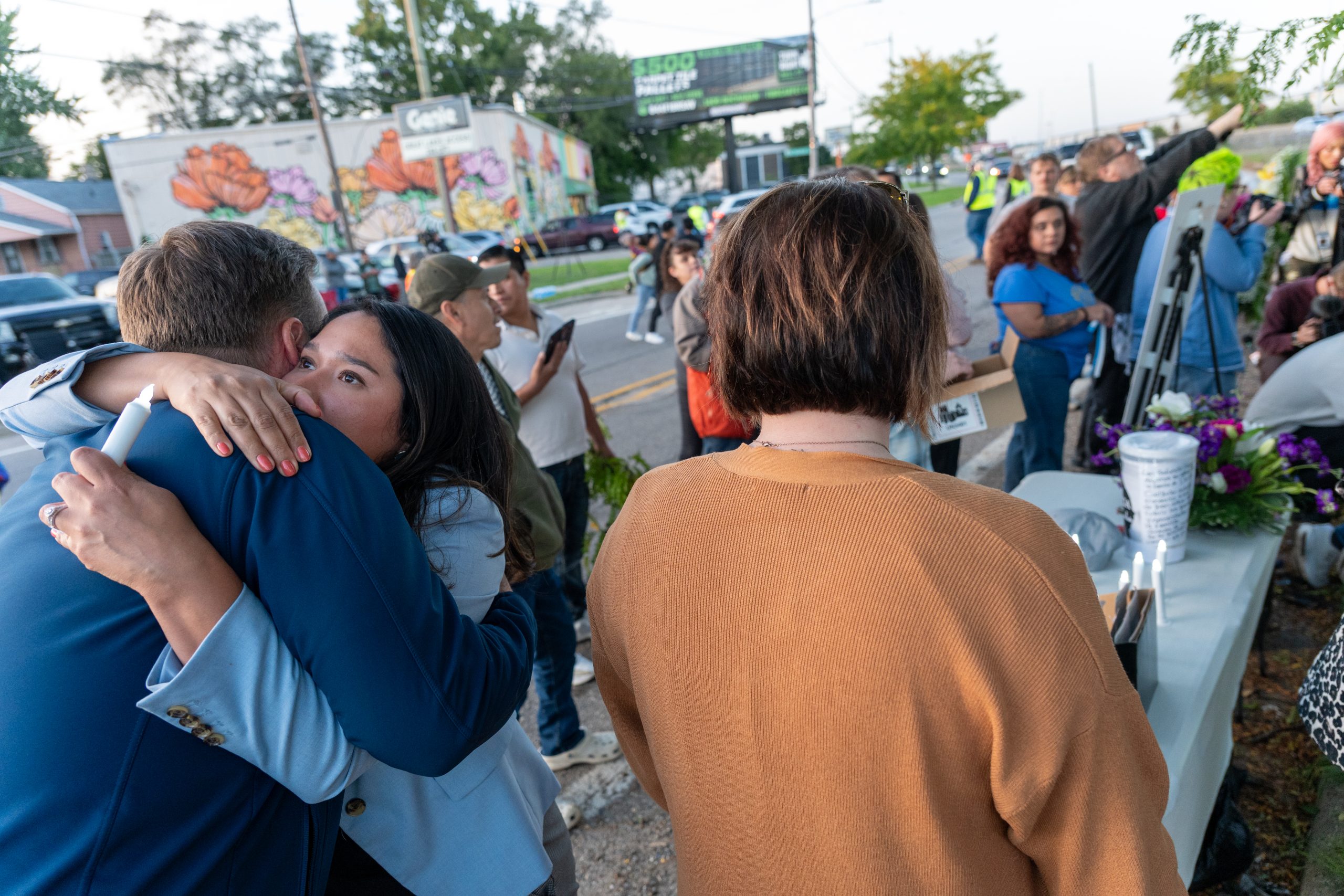
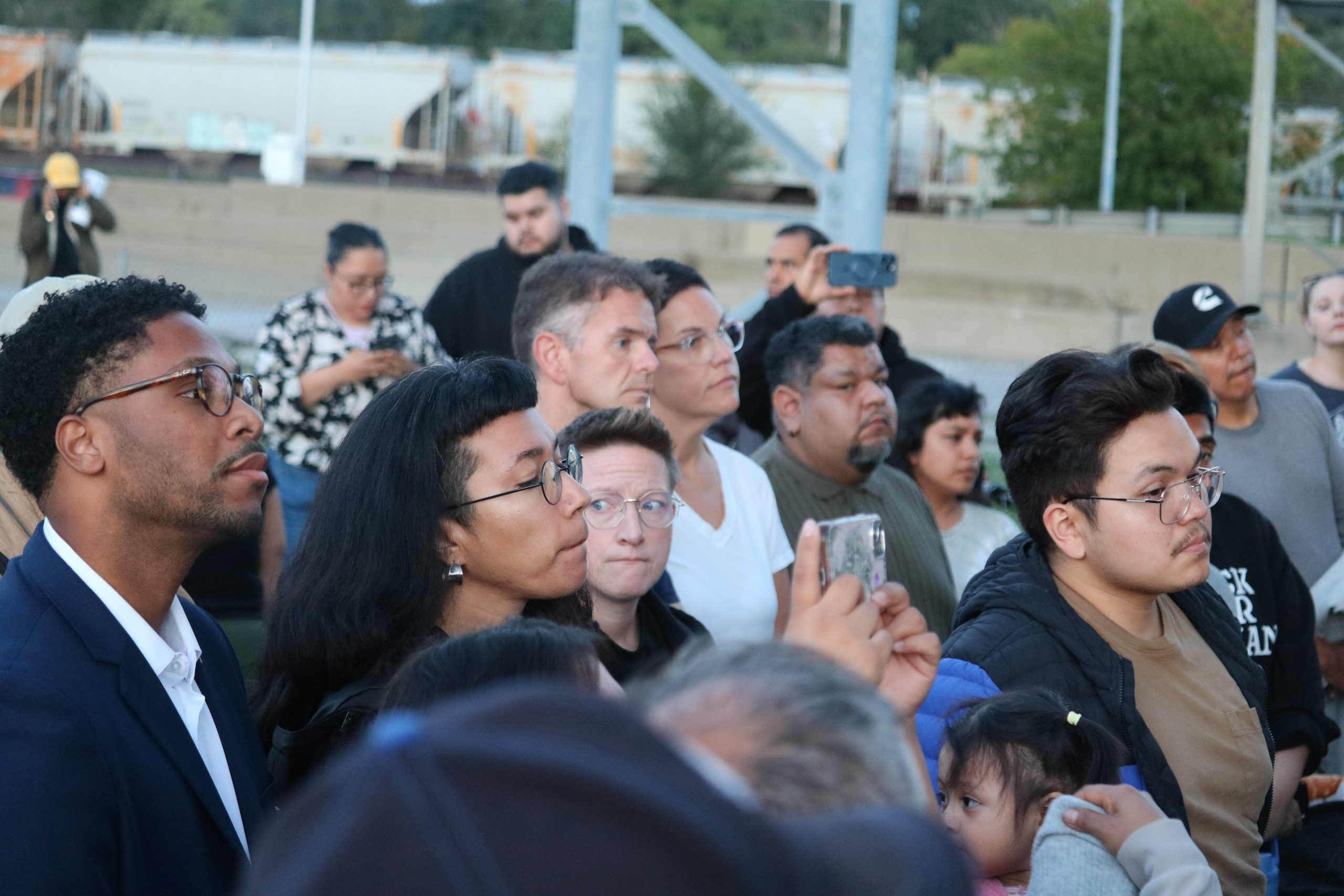
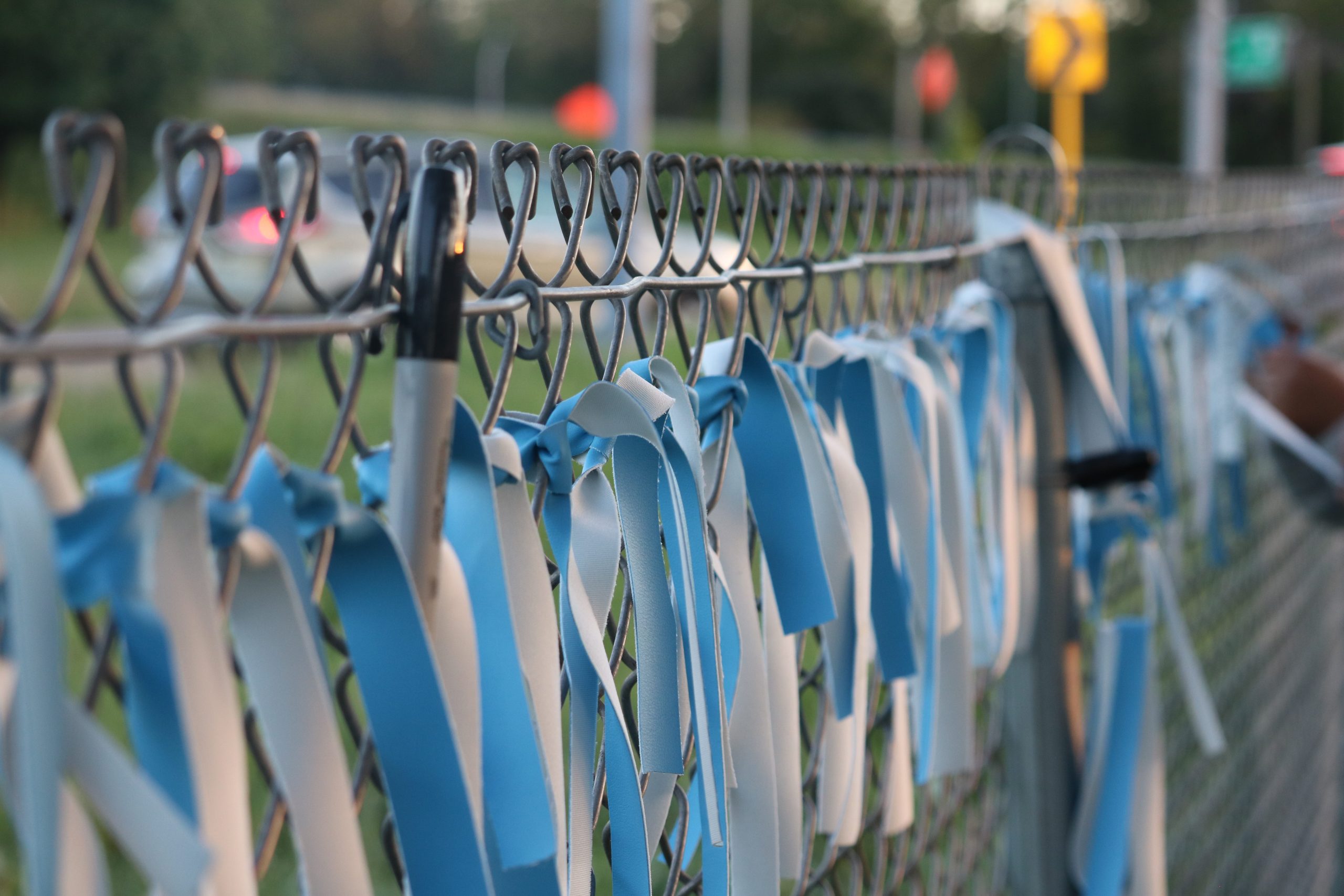
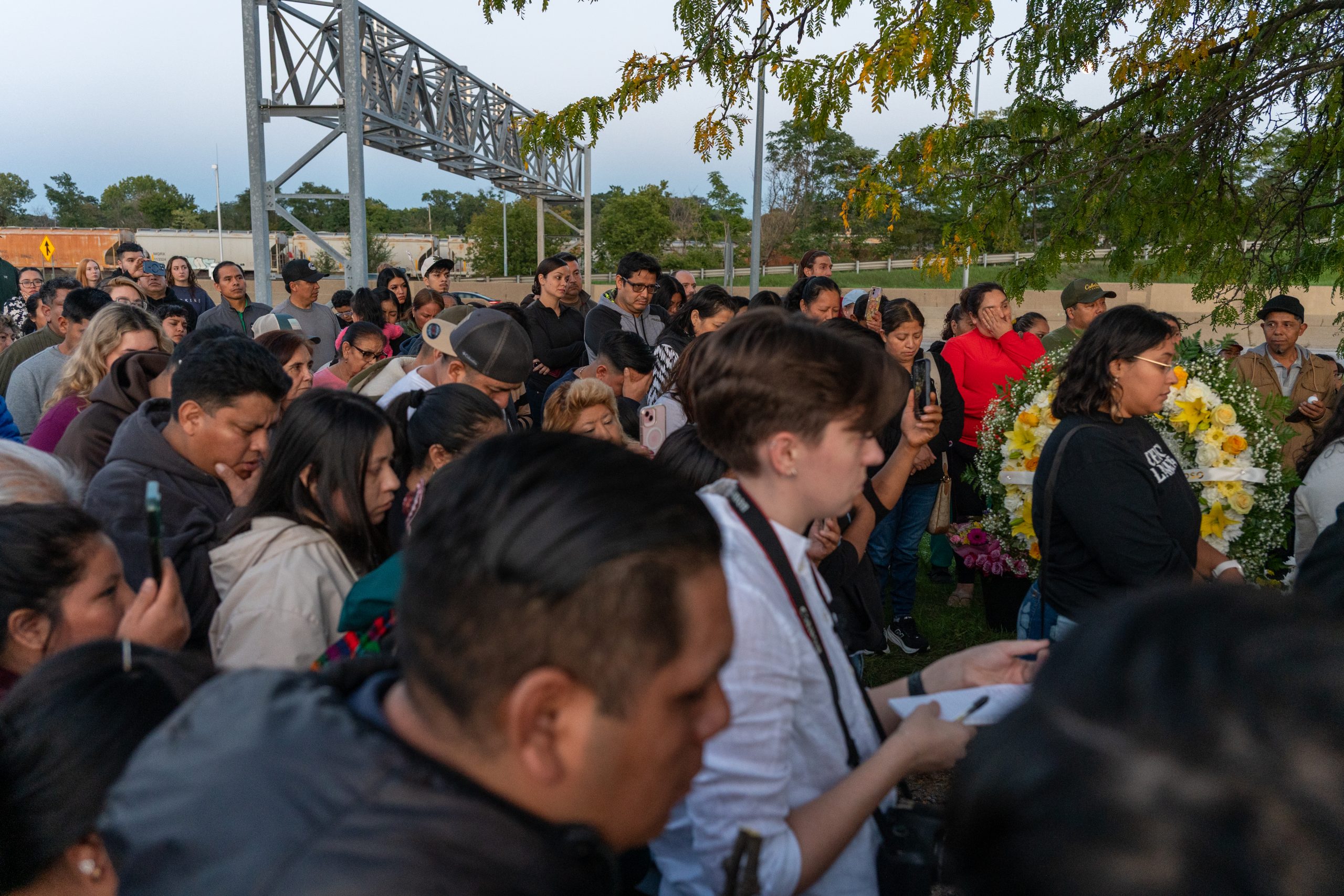
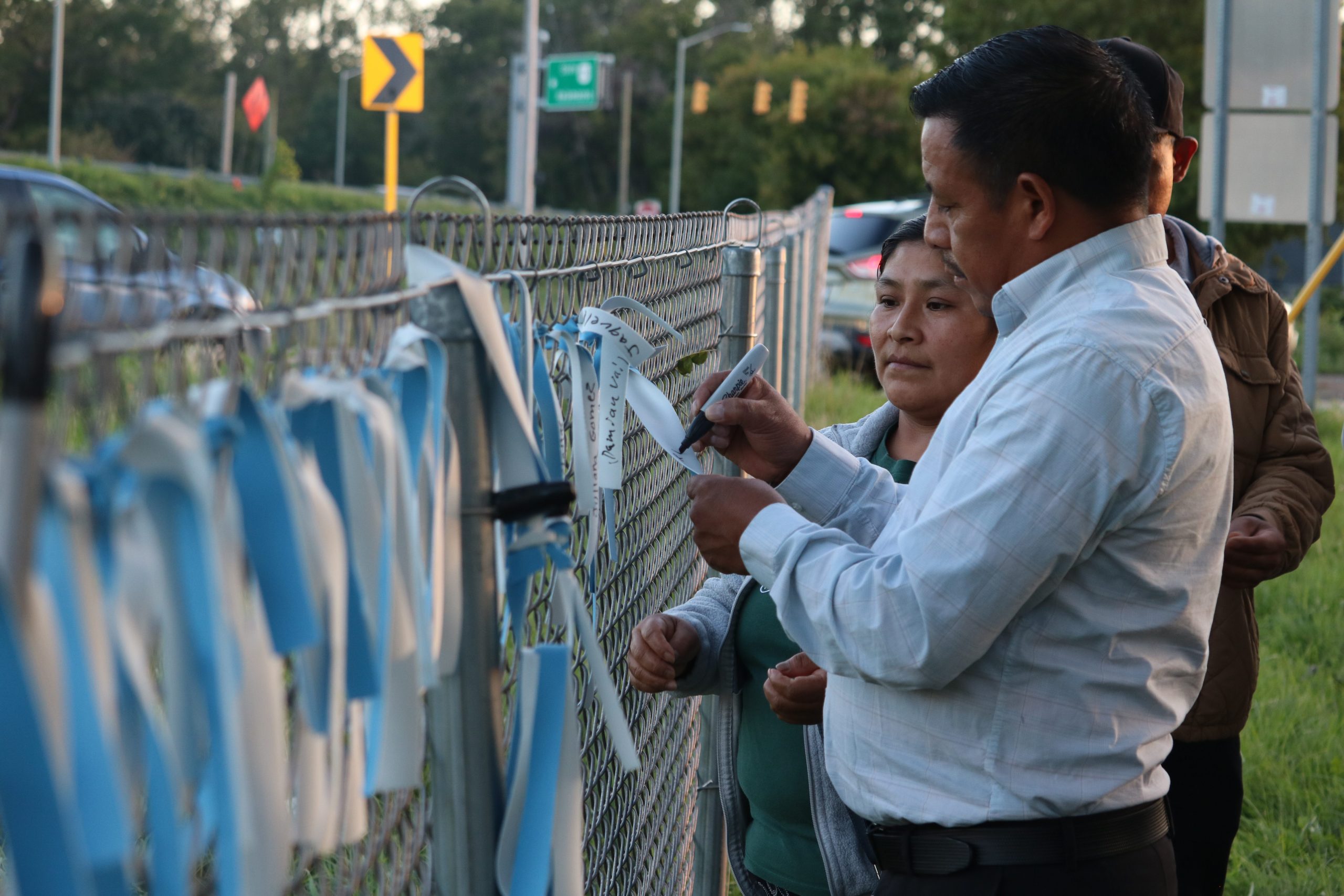
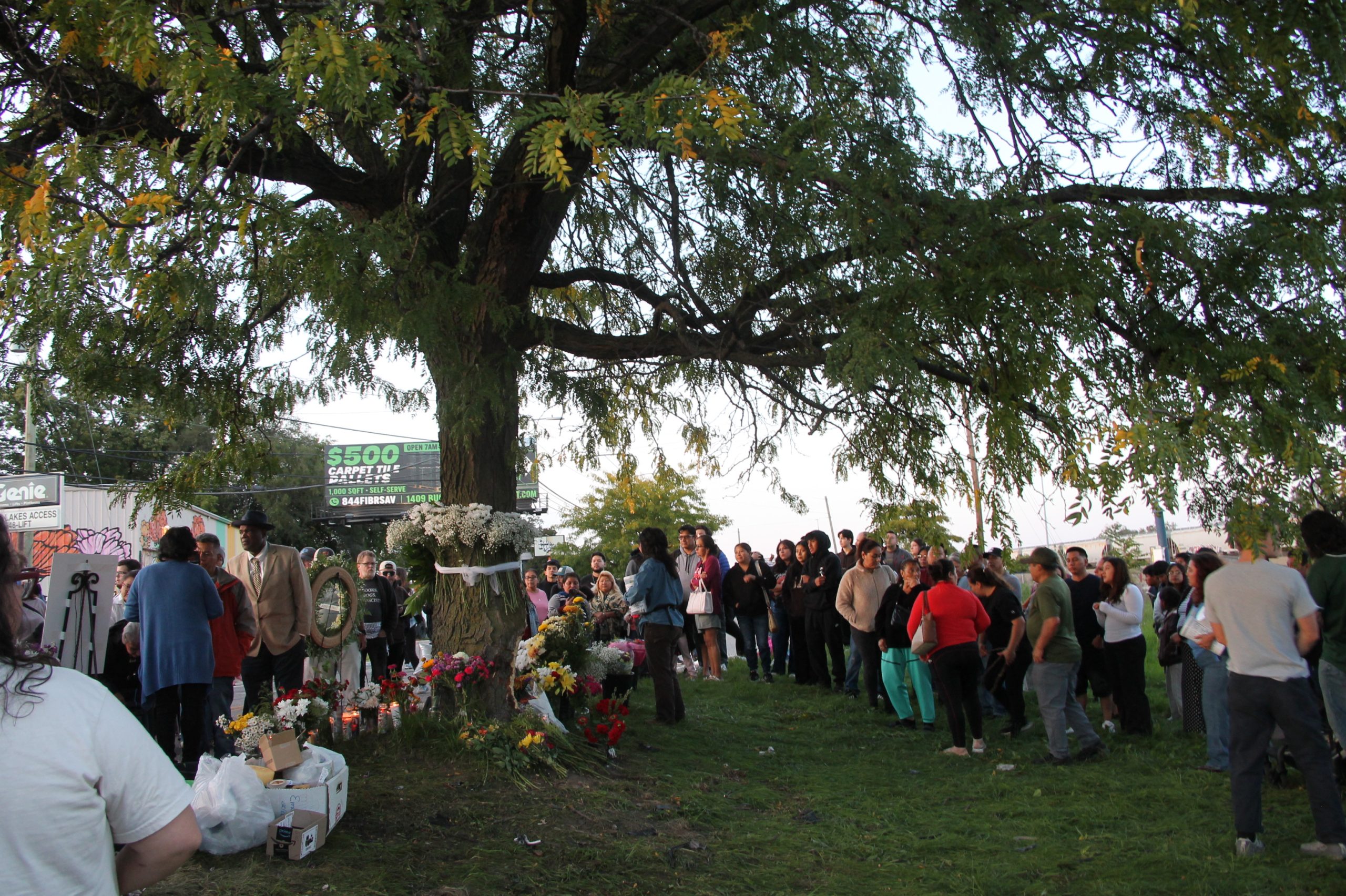
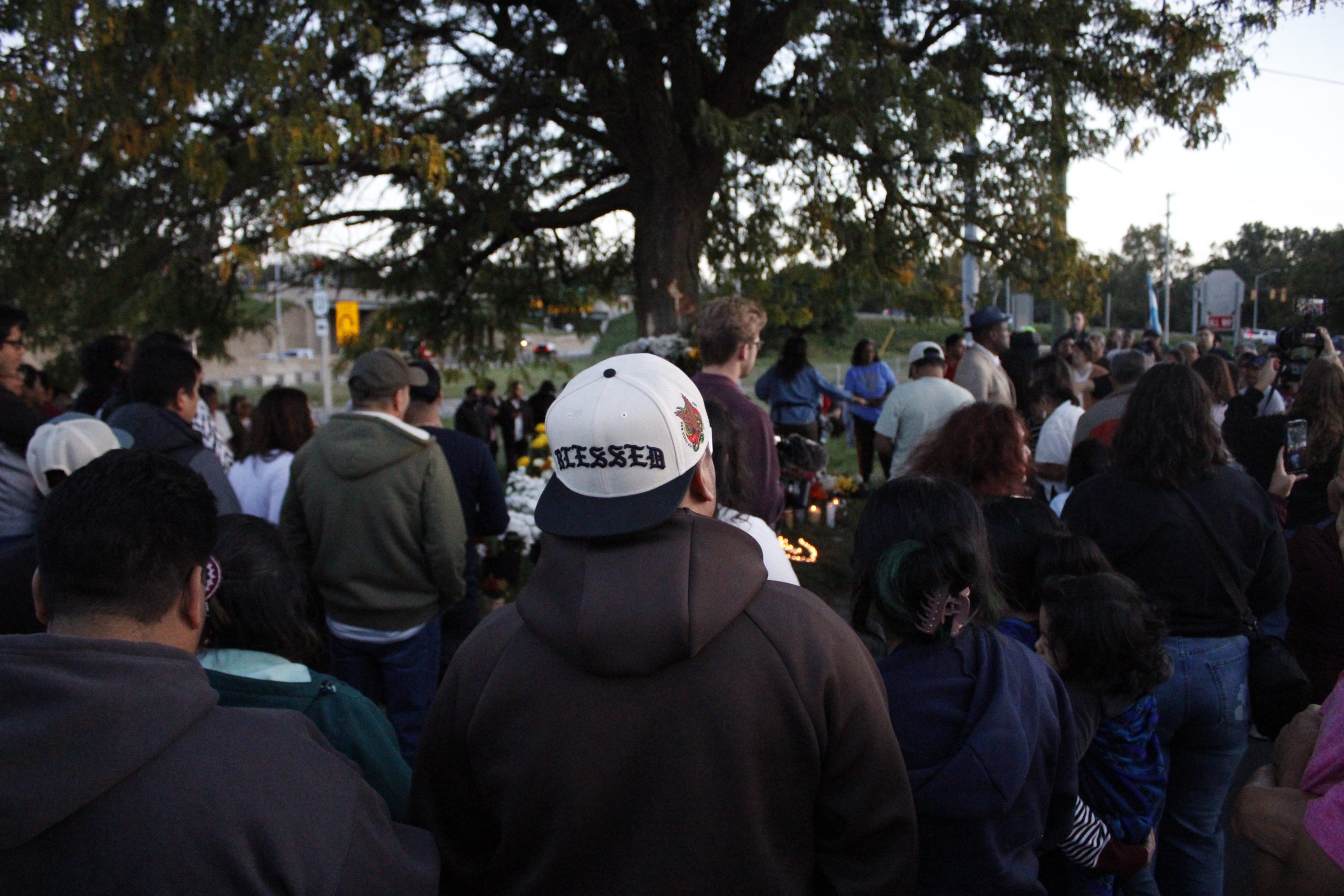
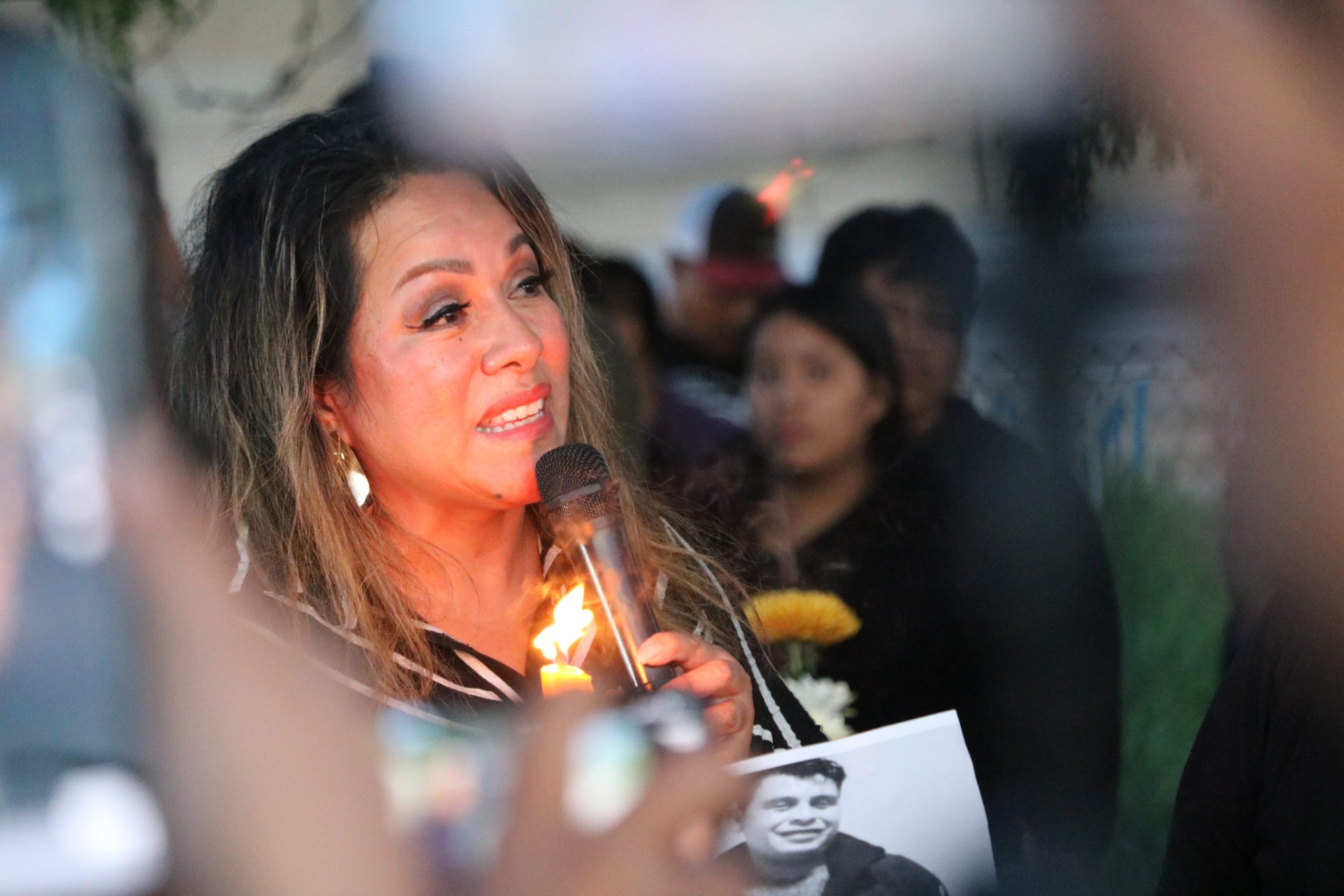
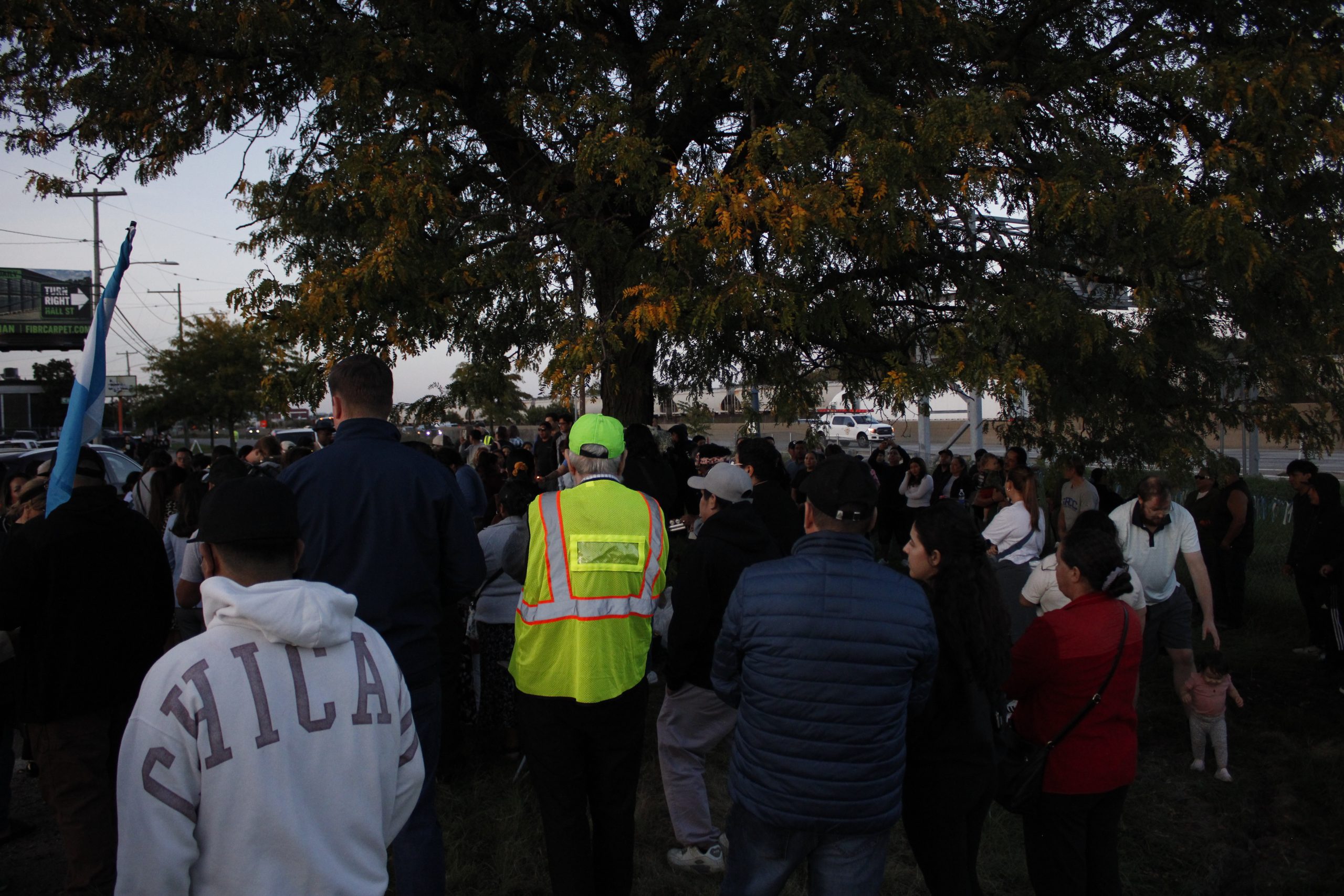
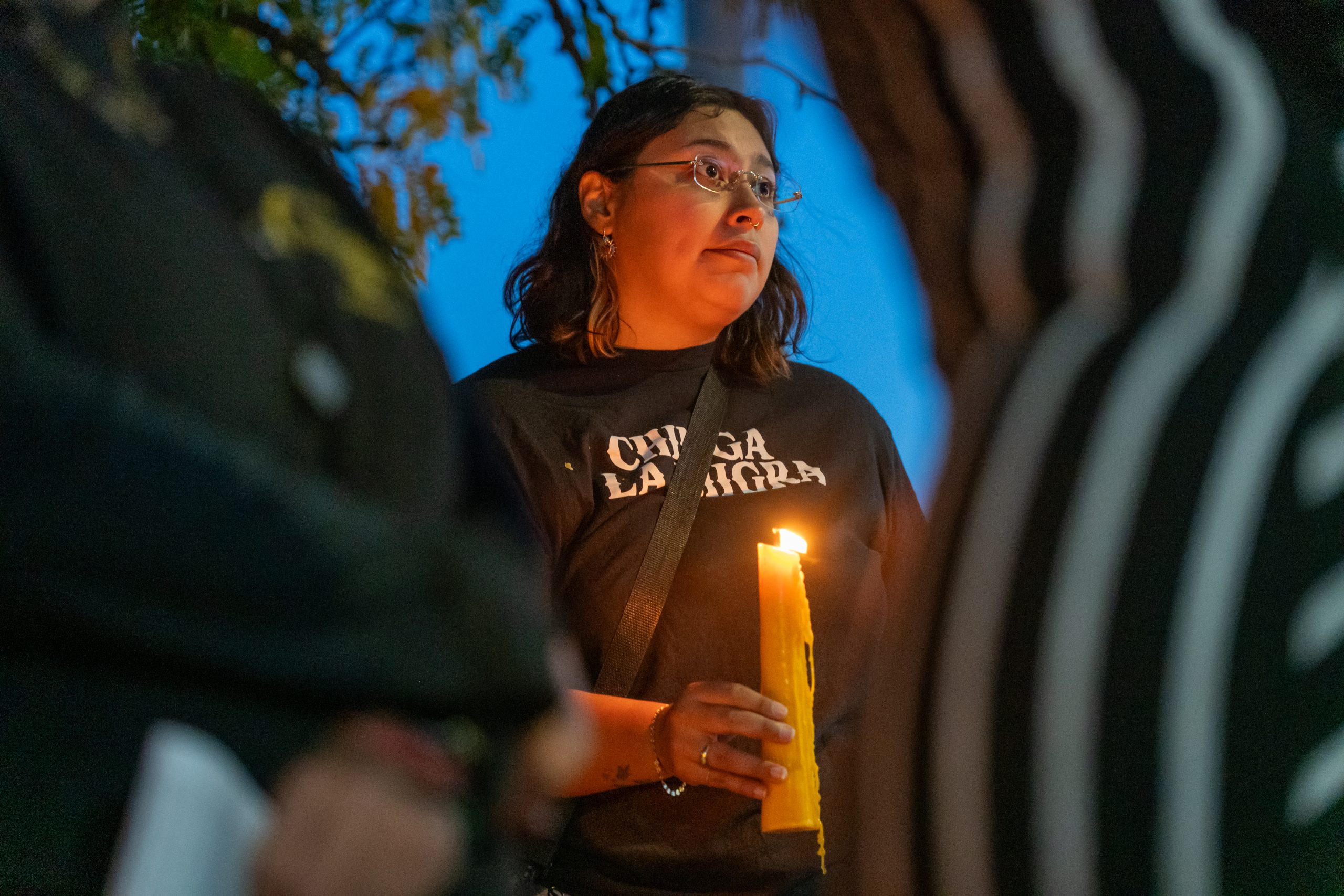
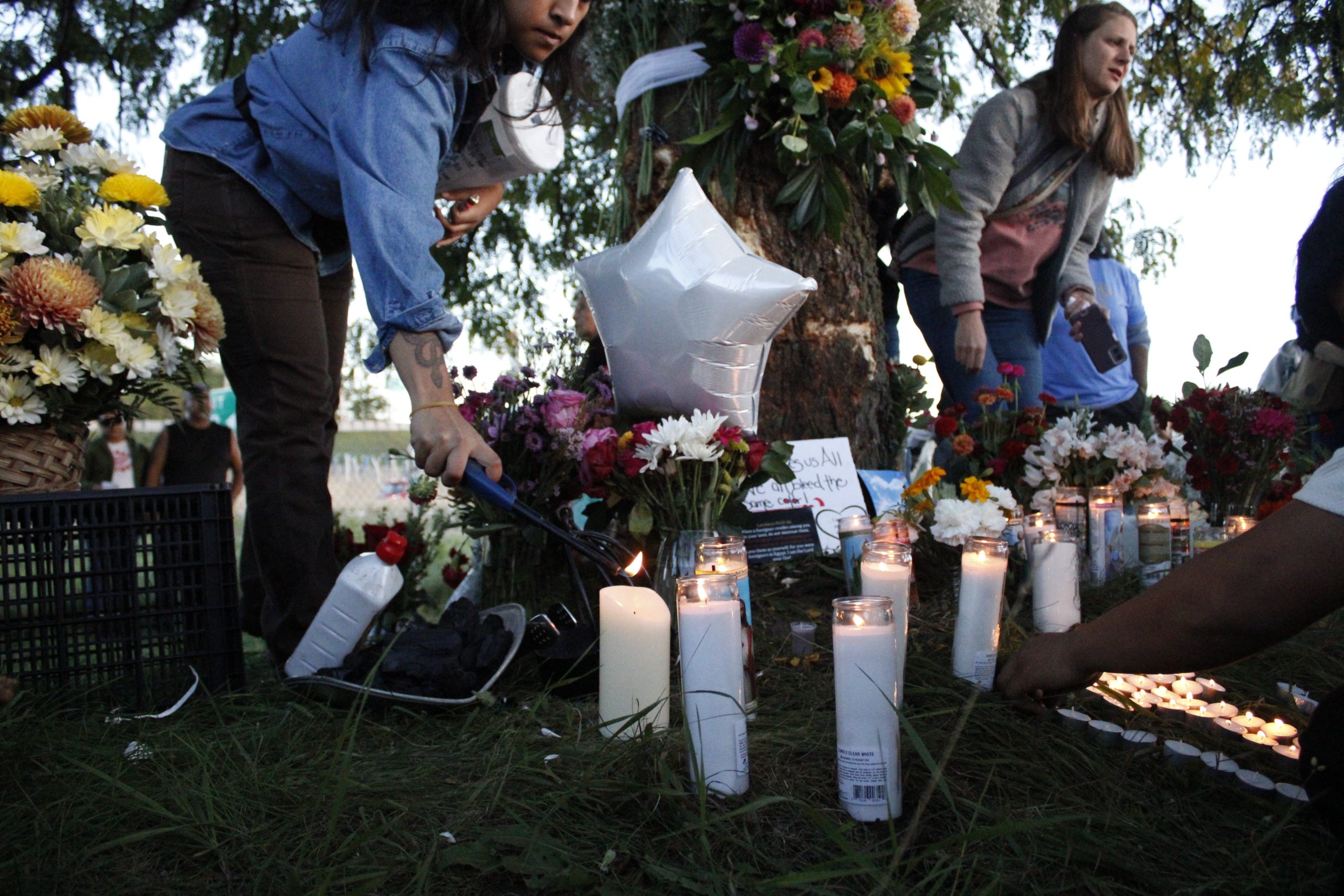
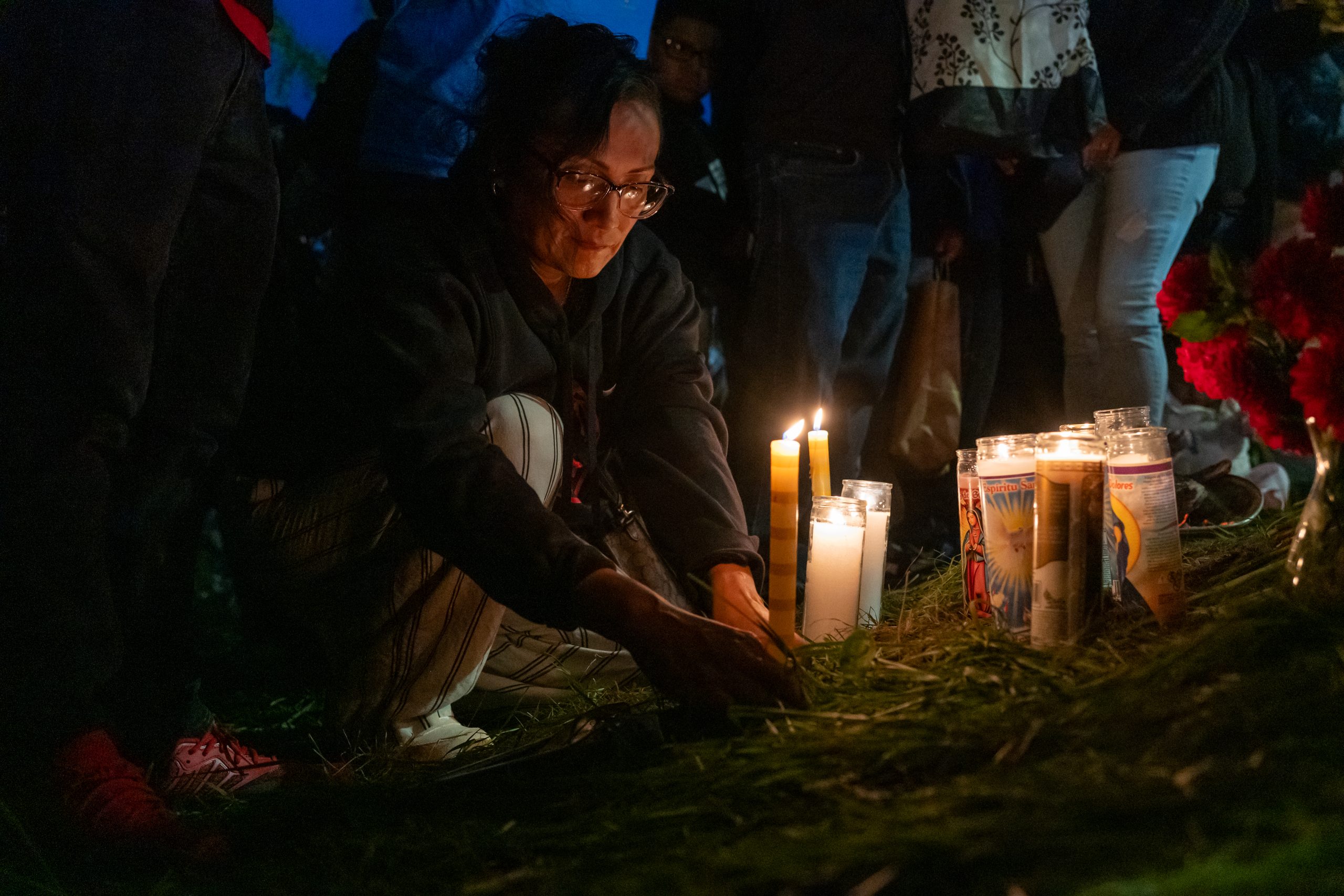
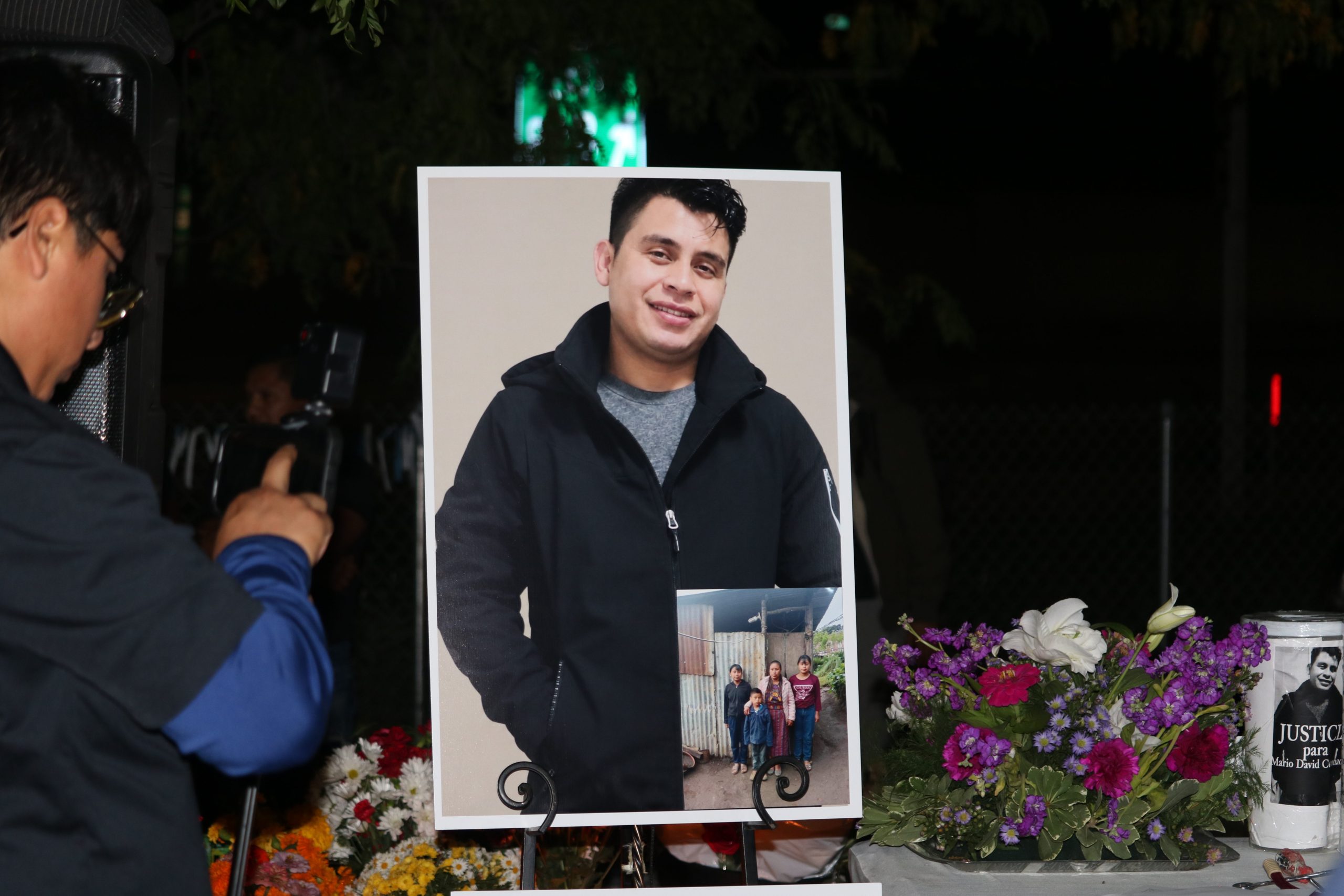
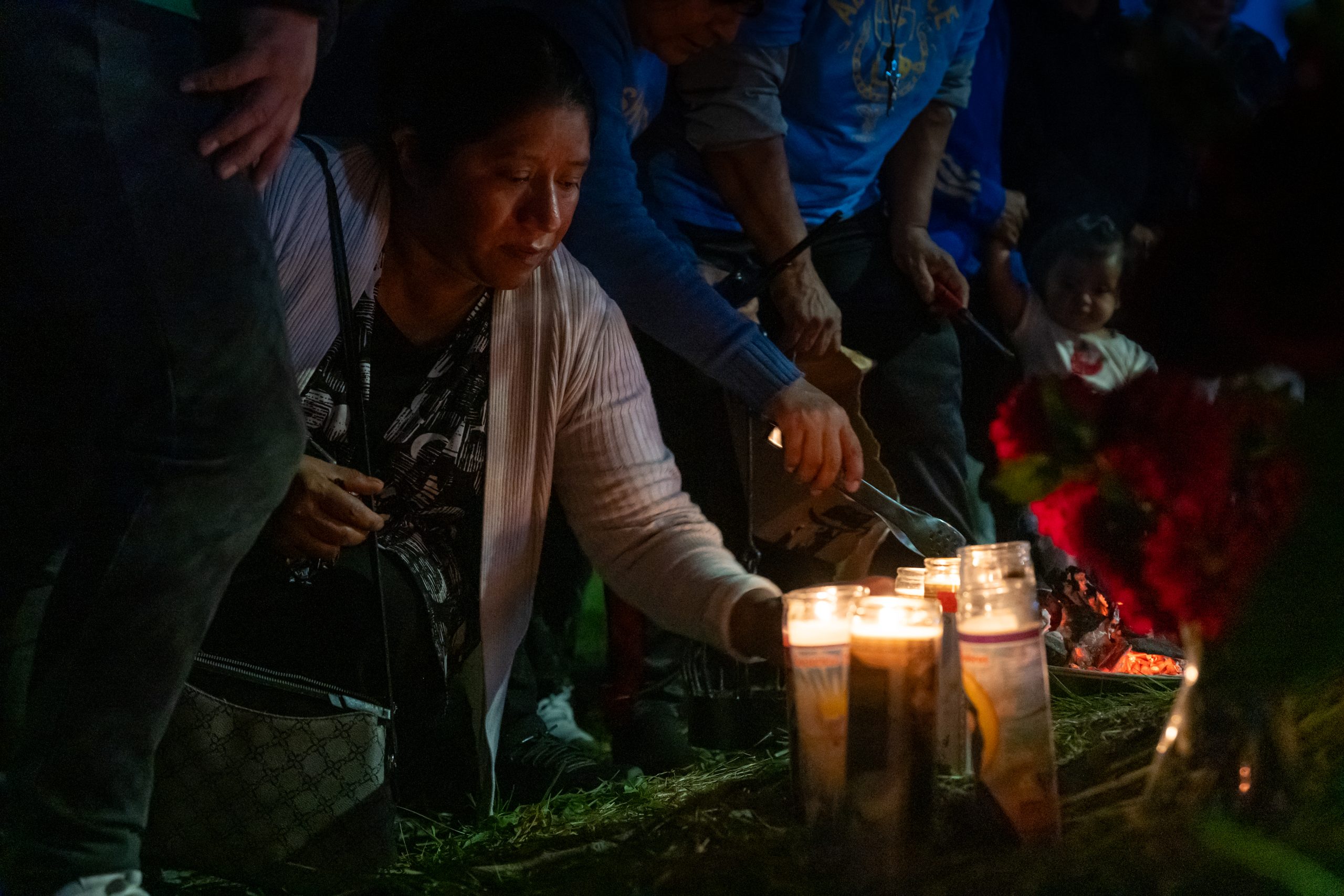
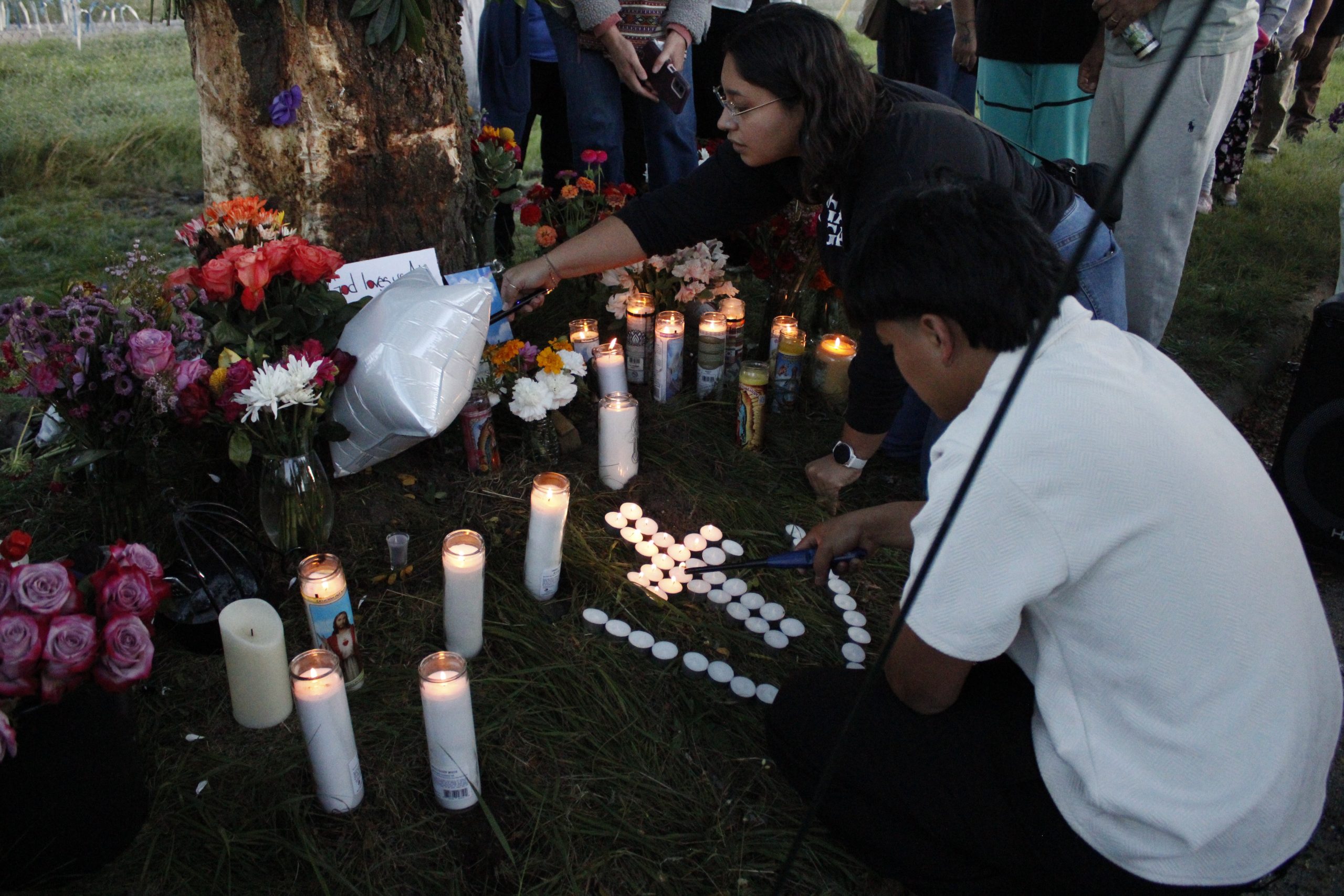
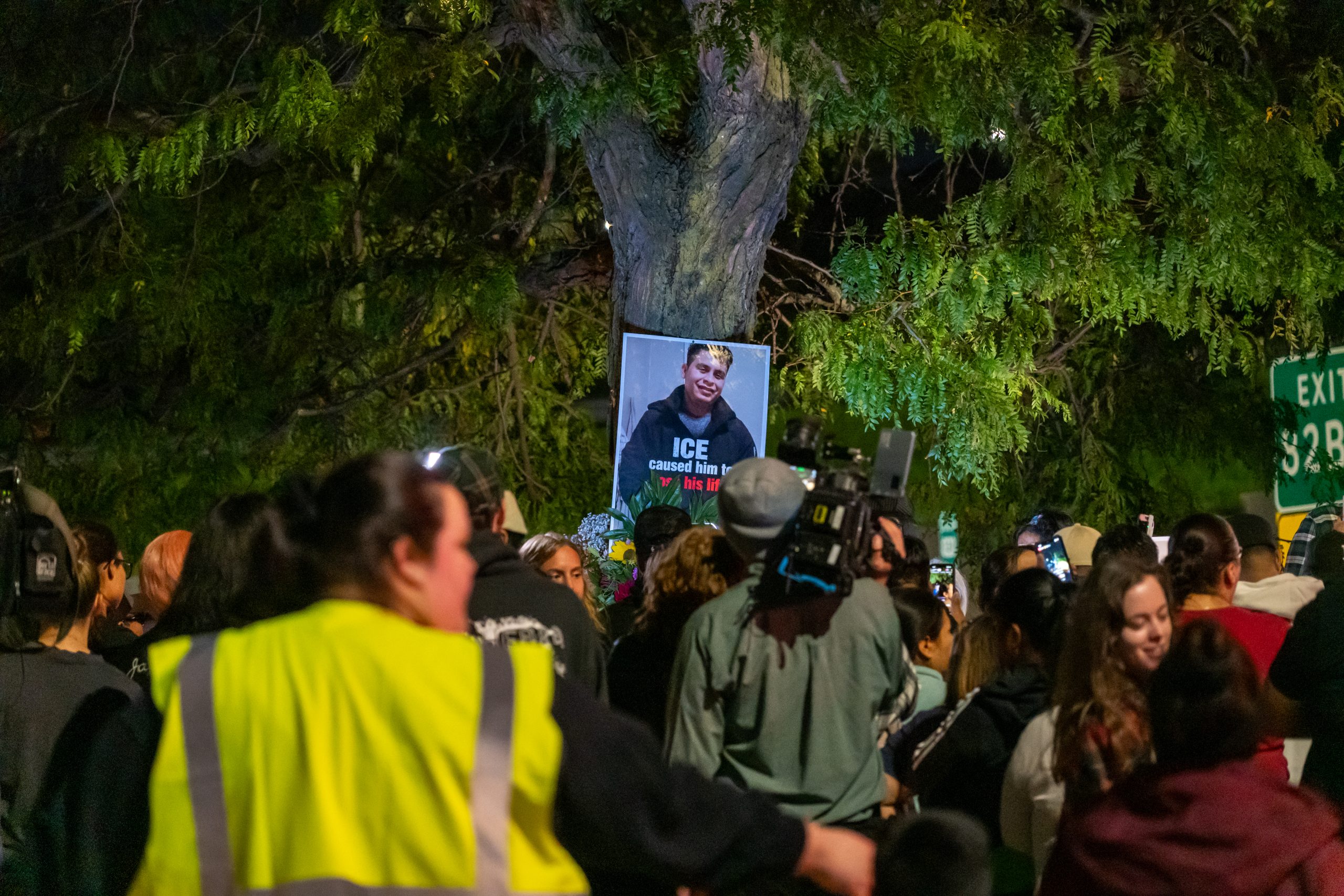
Mario David Coronado Juárez’s vigil was held on Thursday, Sept. 24, at 7:30 p.m. at the crash site where he died. It drew in more than a hundred community members and leaders who all gathered to honor his life.
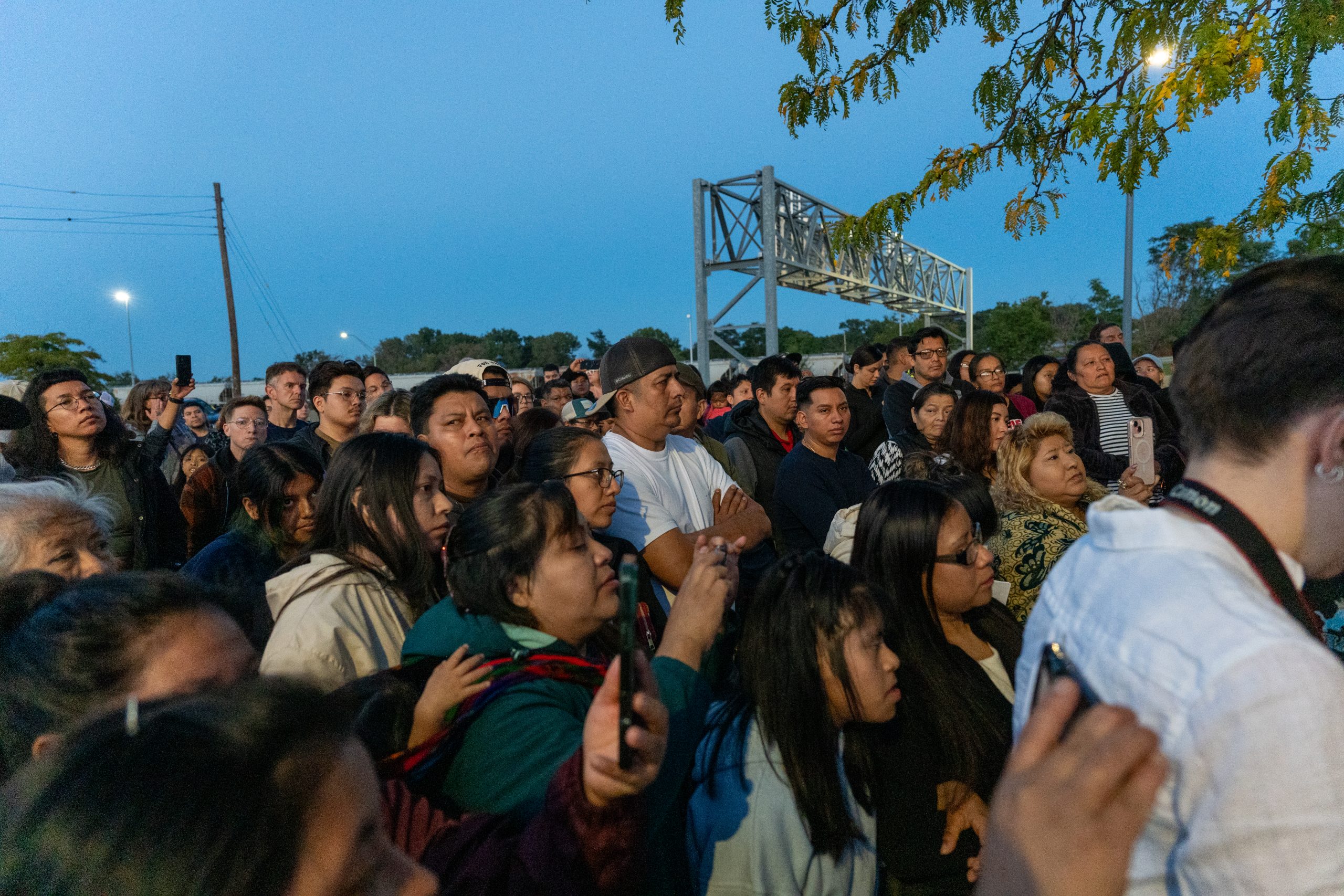
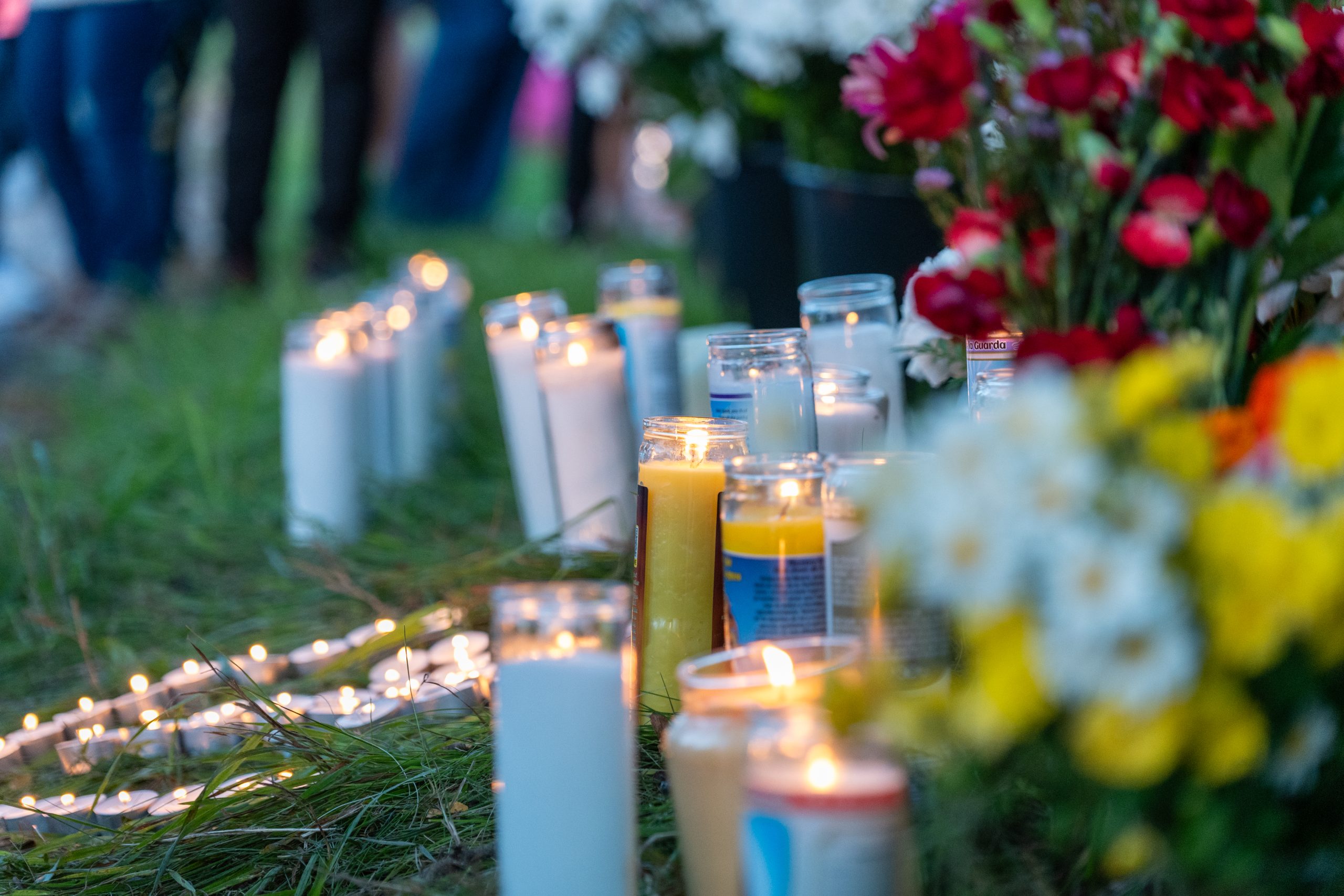
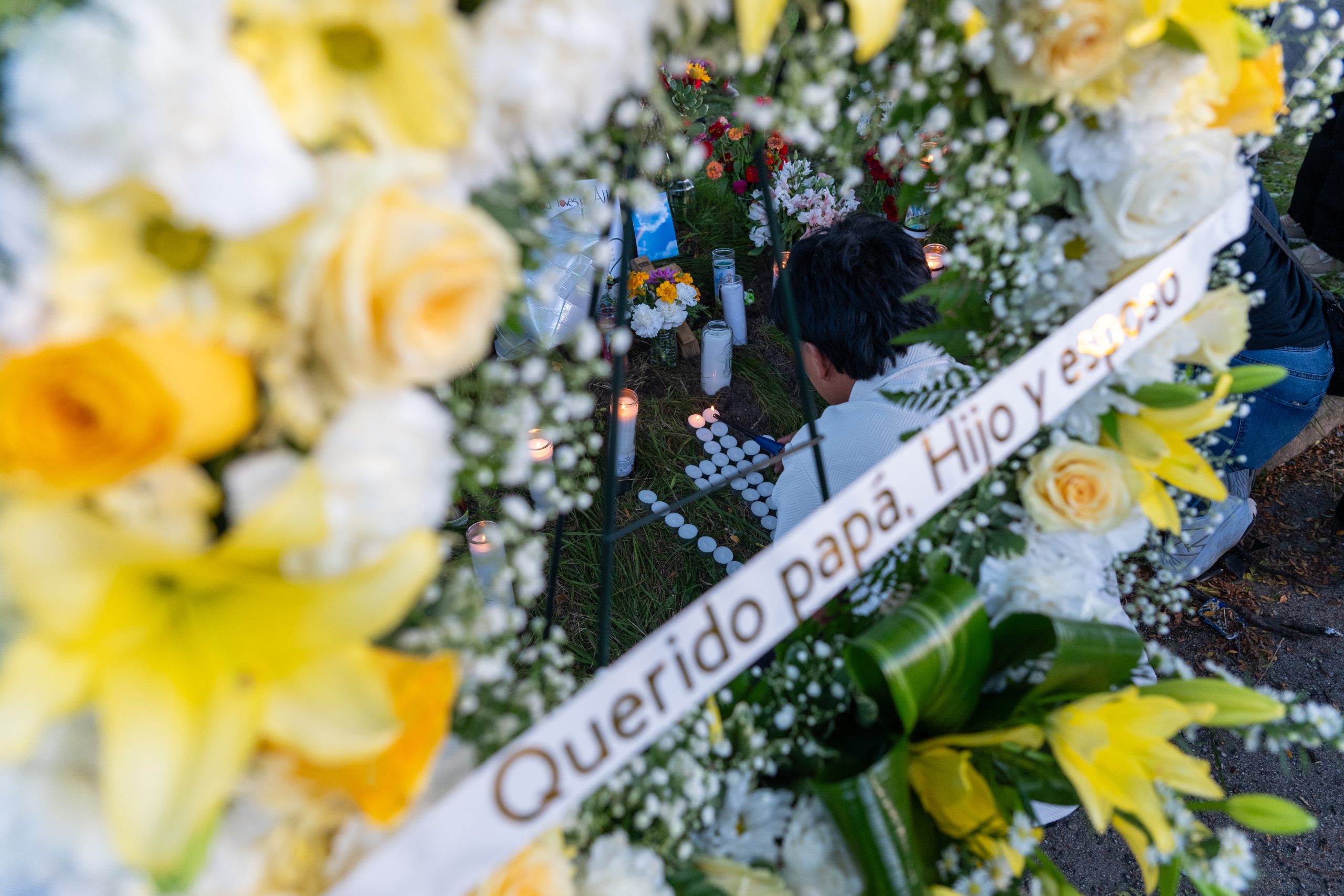
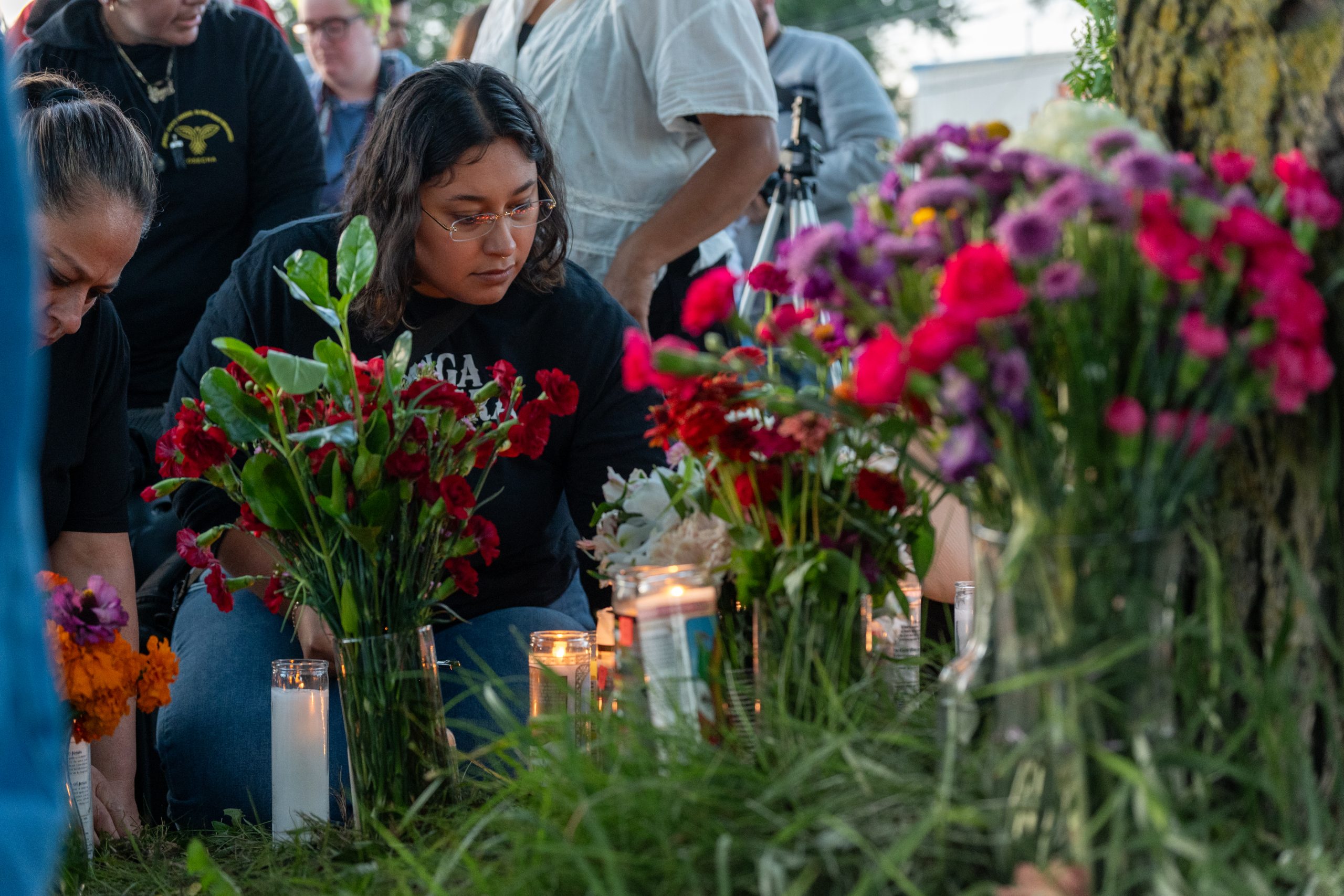
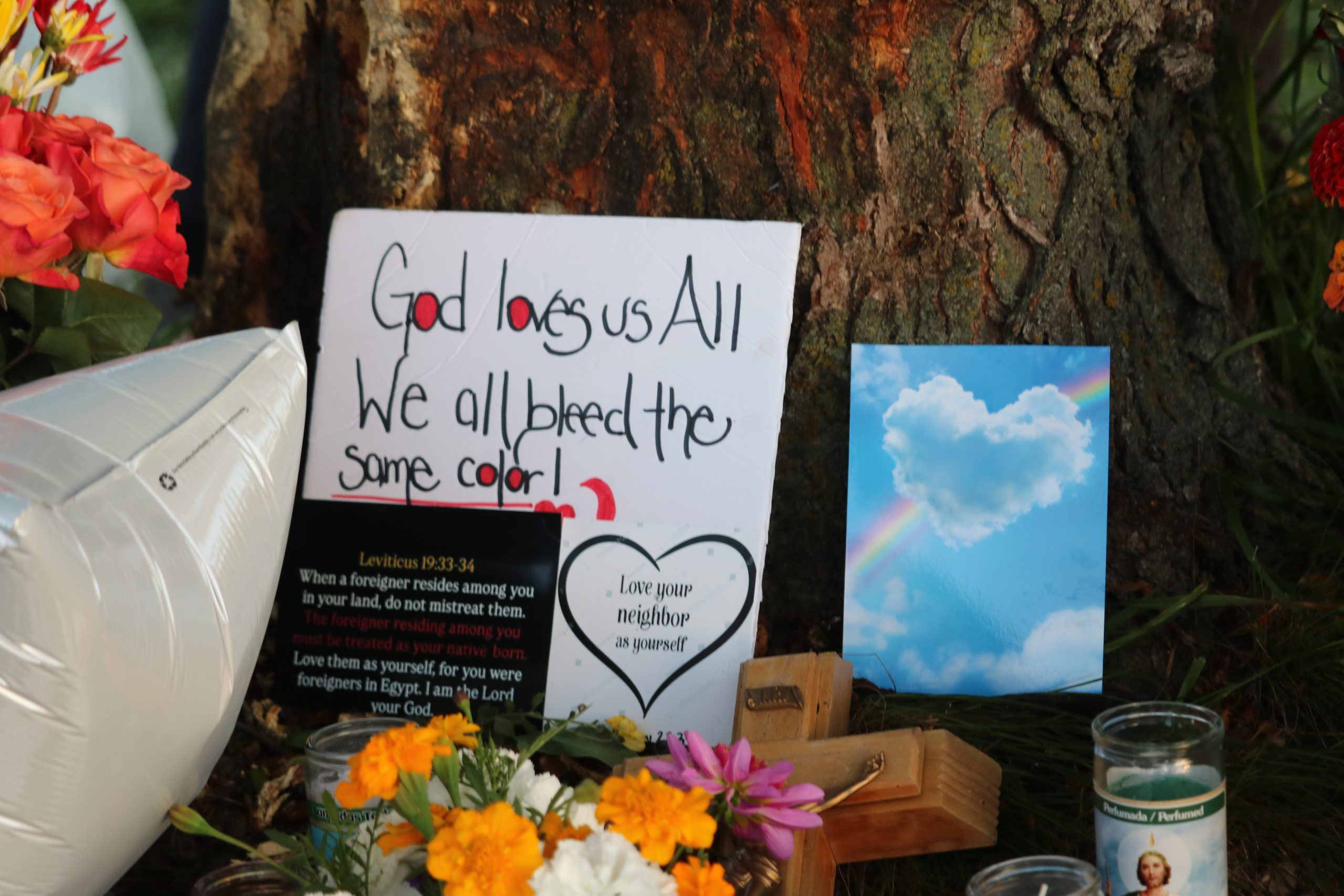
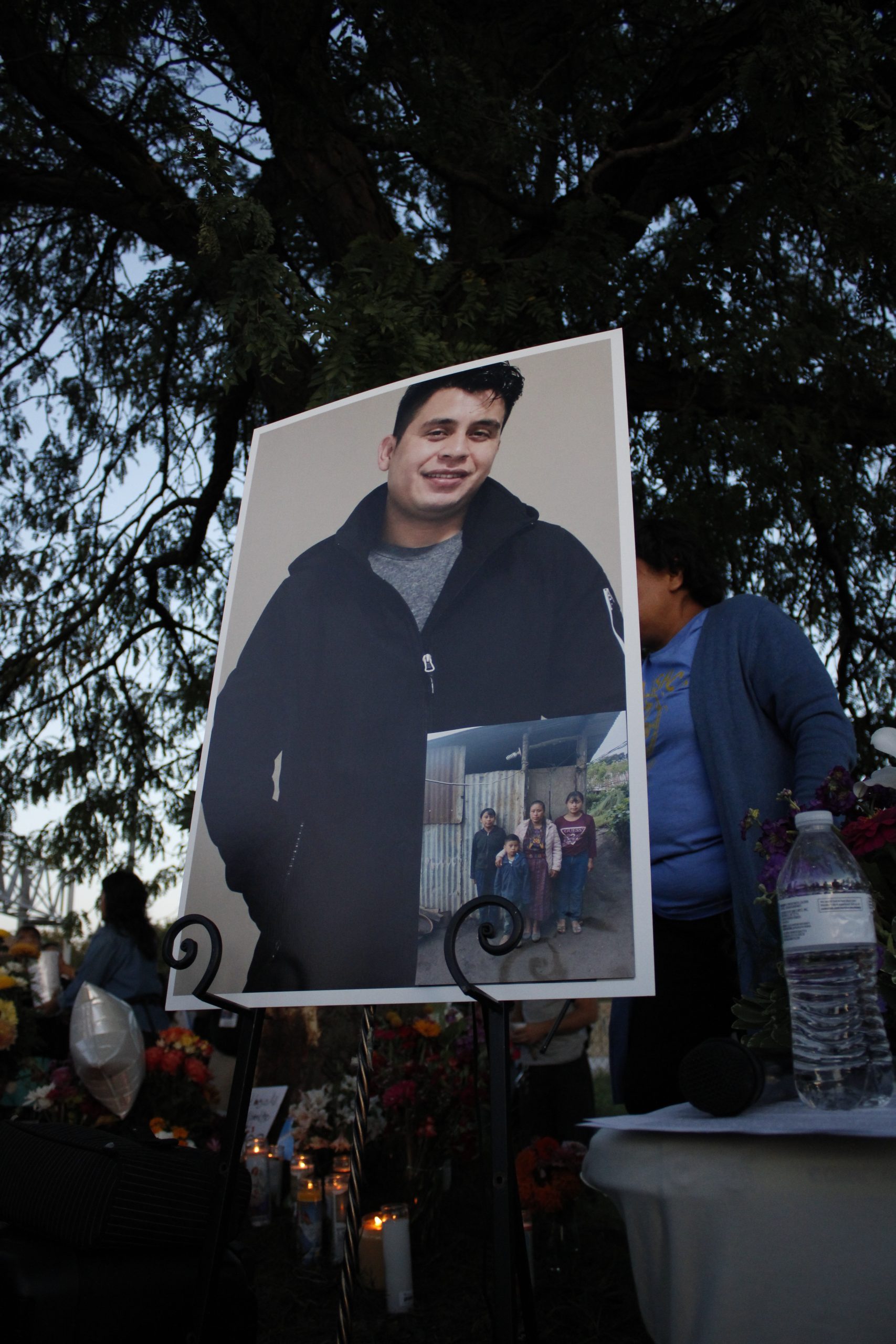
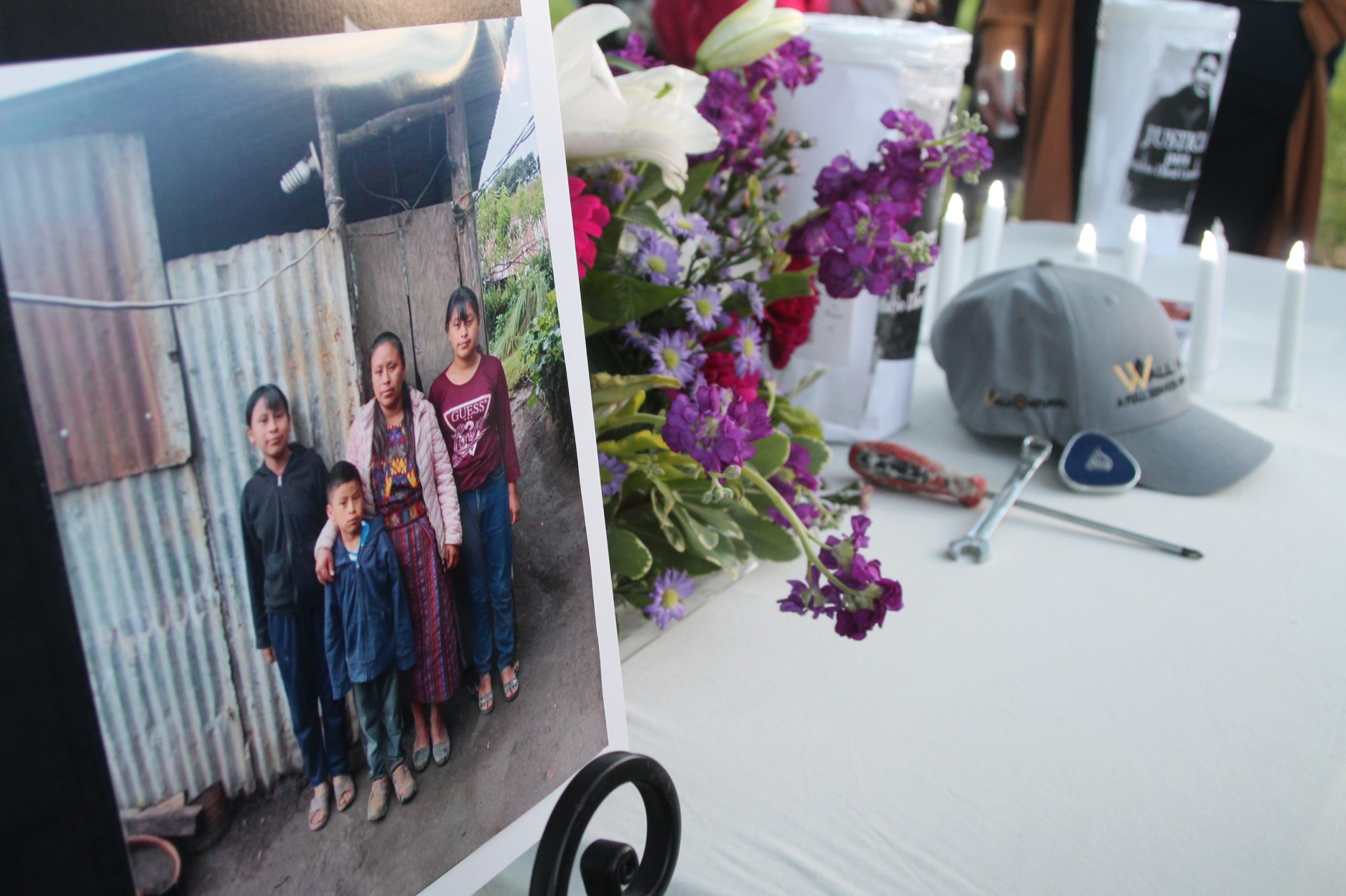
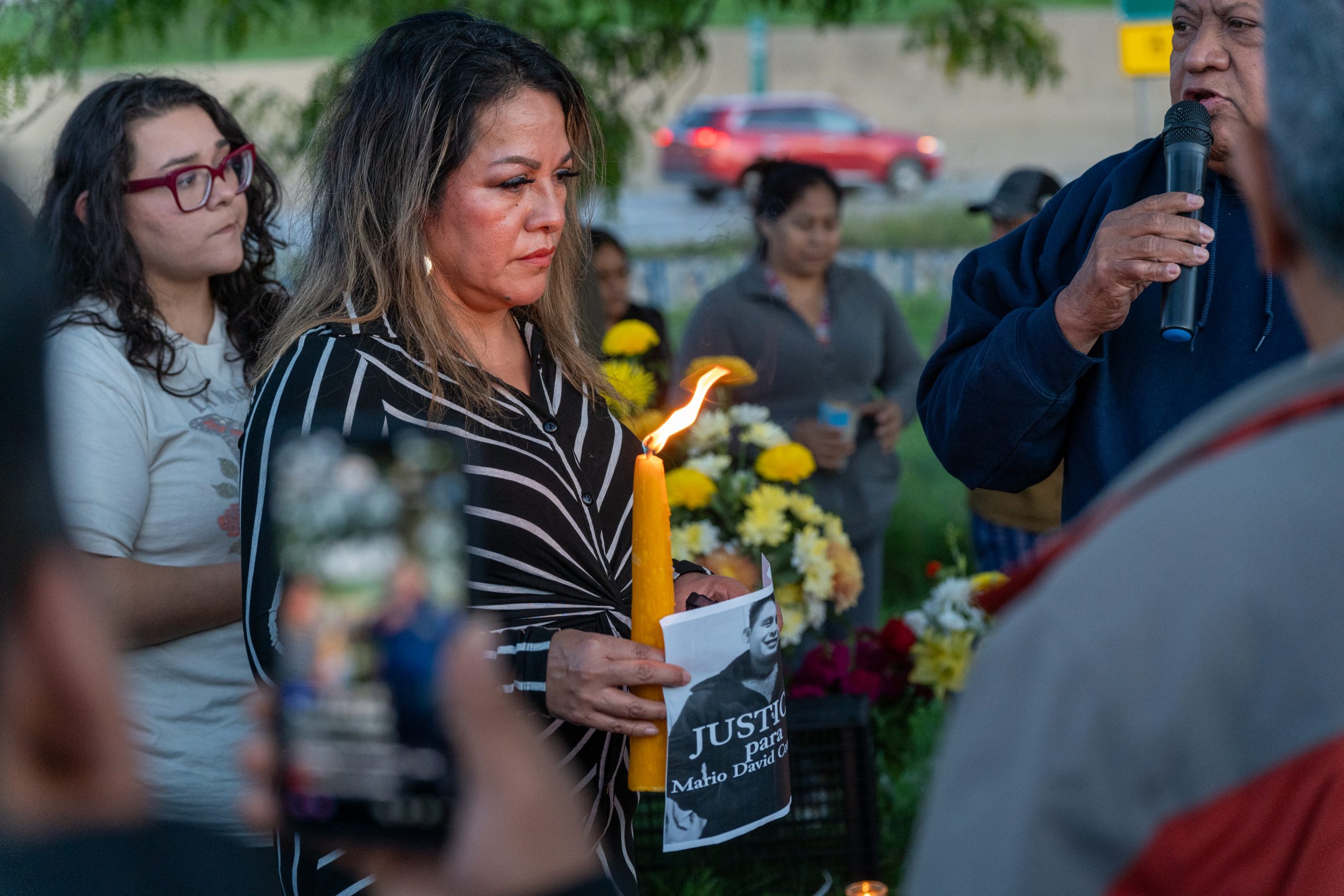
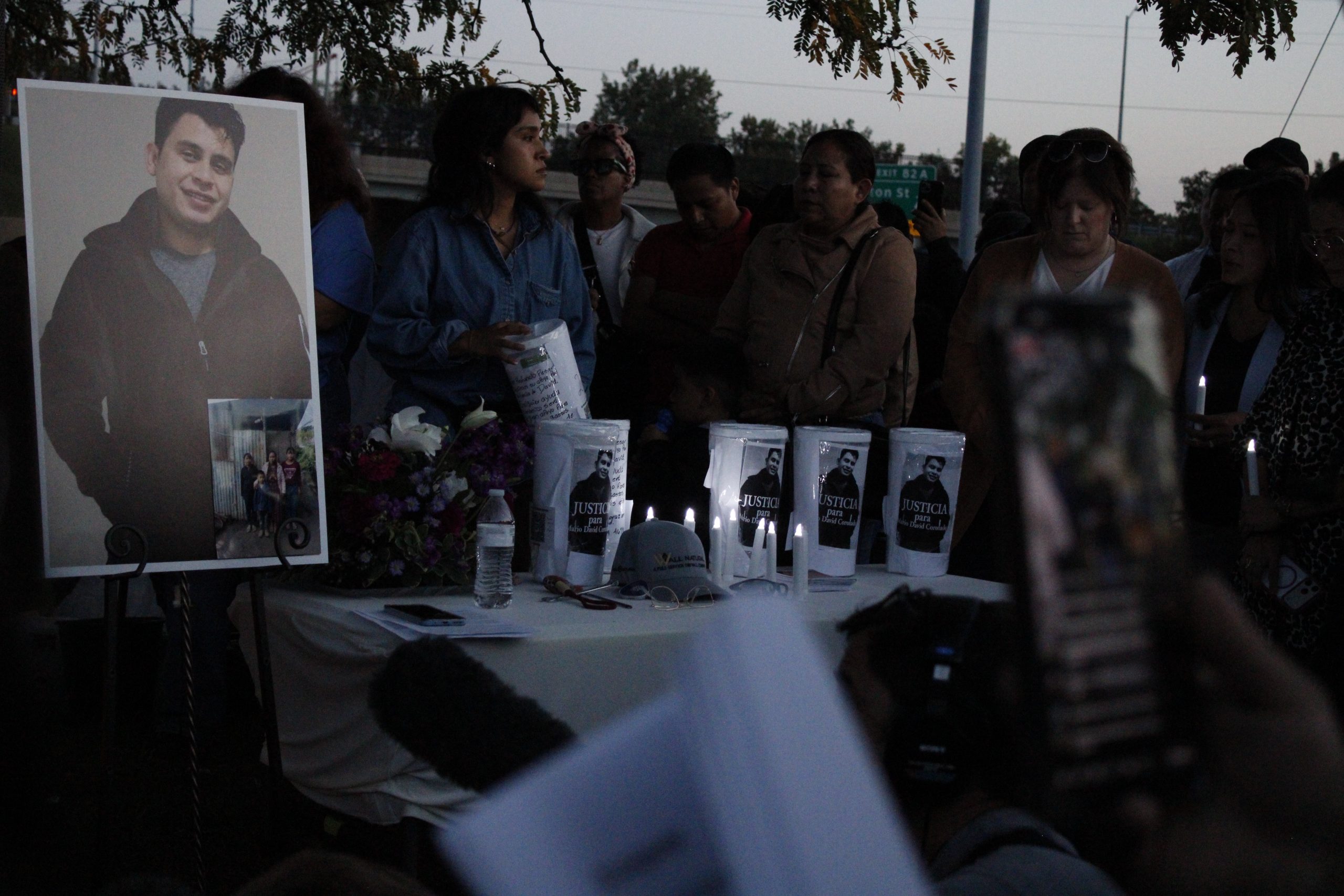
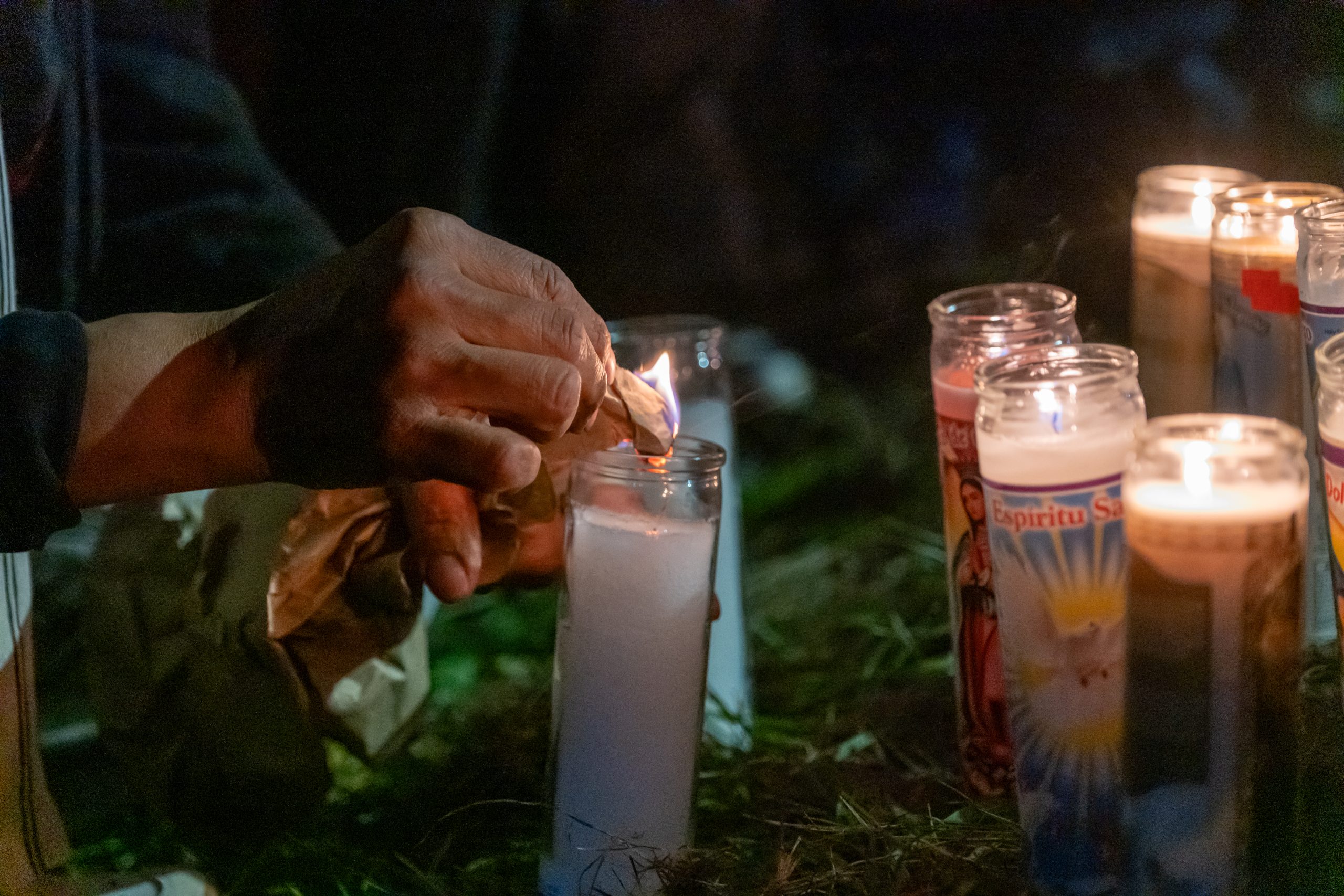
Although it took place where his life ended, the community transformed the site into a place of celebration for the life Juárez lived. A picture of Coronado Juárez and his family, his work hat and tools, and a floral wreath that read “Querido papá, hijo y esposo,” or in English, “Darling dad, son and husband,” decorated the site as community members lit candles and placed flowers in his honor.

Countless individuals and families showed up to pay tribute to Coronado Juárez, including city leaders like Mayor LaGrand, City Commissioner Marshall Kilgore, and Democratic House of Representatives candidate Lily Chen.
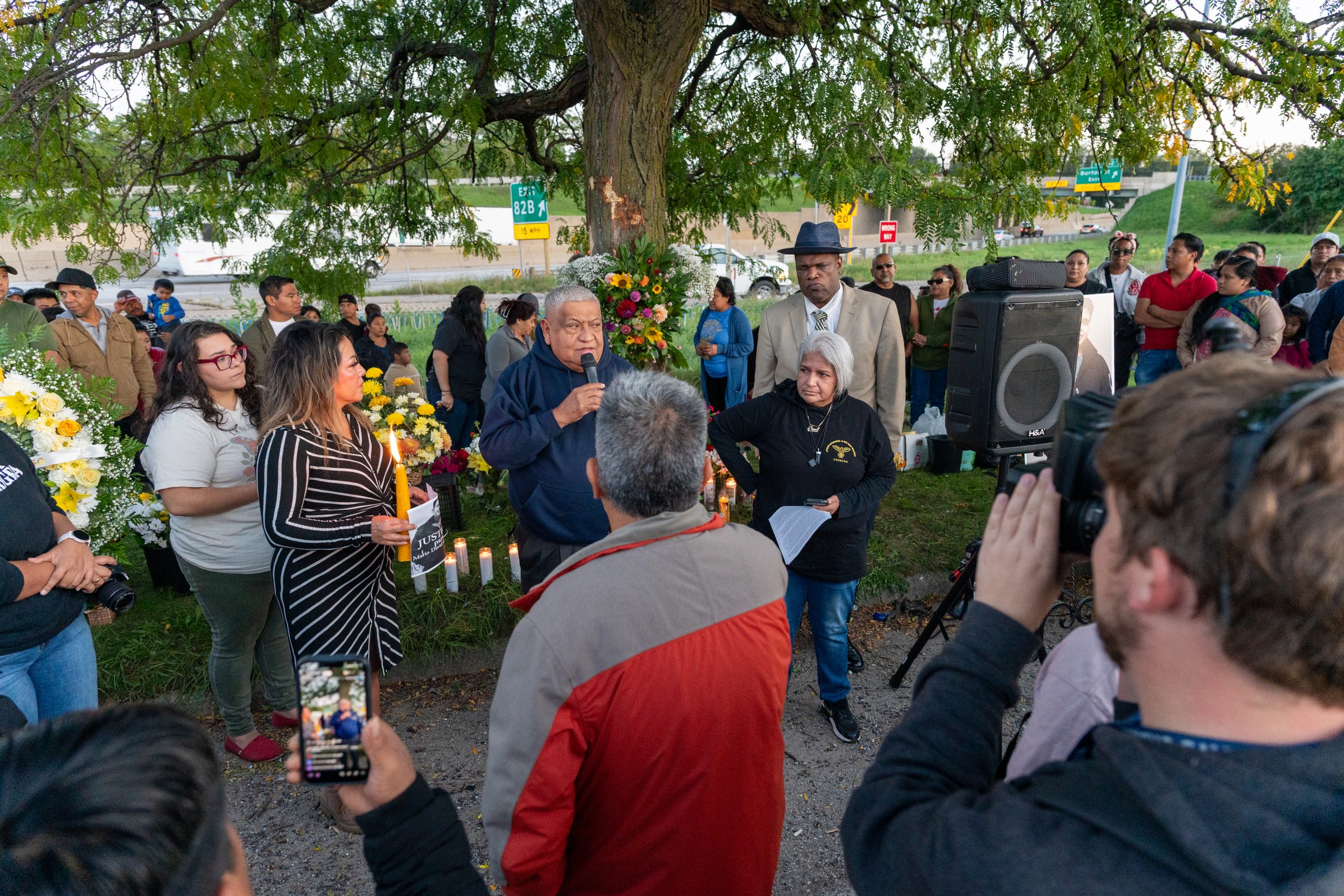
The vigil began with a prayer and a moment of silence, followed by community speakers who spoke about Coronado Juárez’s character and his struggles in the U.S.
Gema Lowe, a member of the Movimento Cosecha Grand Rapids organization, said, “He (Mario David Coronado Juárez) loved to go to church, and he loved to be in the choir, and he was a hard-working man. He was just humble and just with a set goal. His goal was to build a house for his wife and his three kids,” Lowe said.
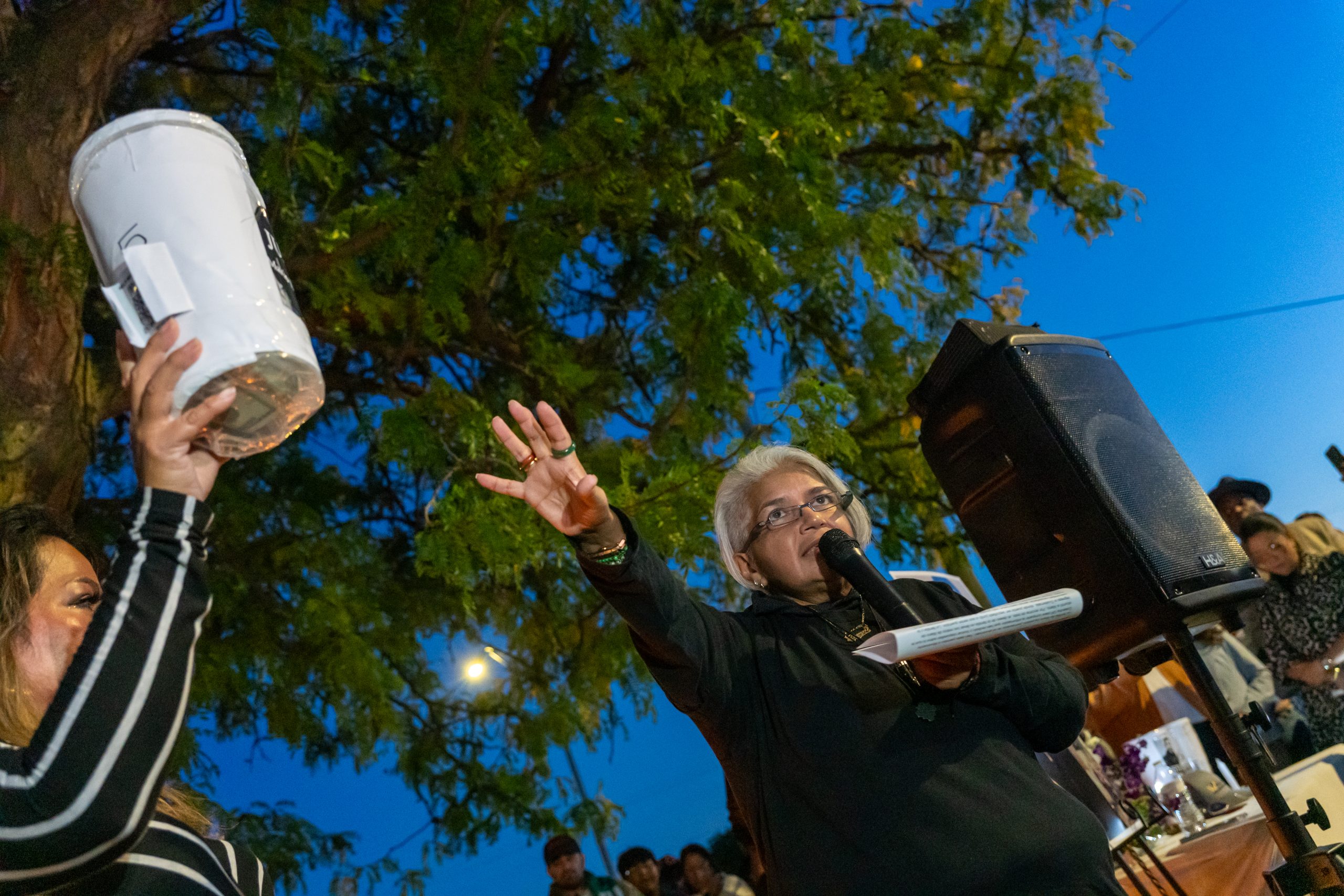
Karla Barberi, a Guatemalan activist who knew Coronado Juárez for a number of years, shared similar sentiments while demanding justice for both Juárez and the ICE agents involved in the incident.
“What happened here Sunday morning can not go without justice being served,” Barberi said.
“…So tonight we’re here to remember Mario and never forget what happened that day.”
“For the agents that were involved, I pray that you don’t have a second of peace…That when you lay in bed tonight, from tonight going forward, you will not have a second of peace until you come forward and confess what happened,” Barberi said. “Your superiors… can protect you only for a certain time…You will be held accountable, because the truth will come out. We know what happened.”
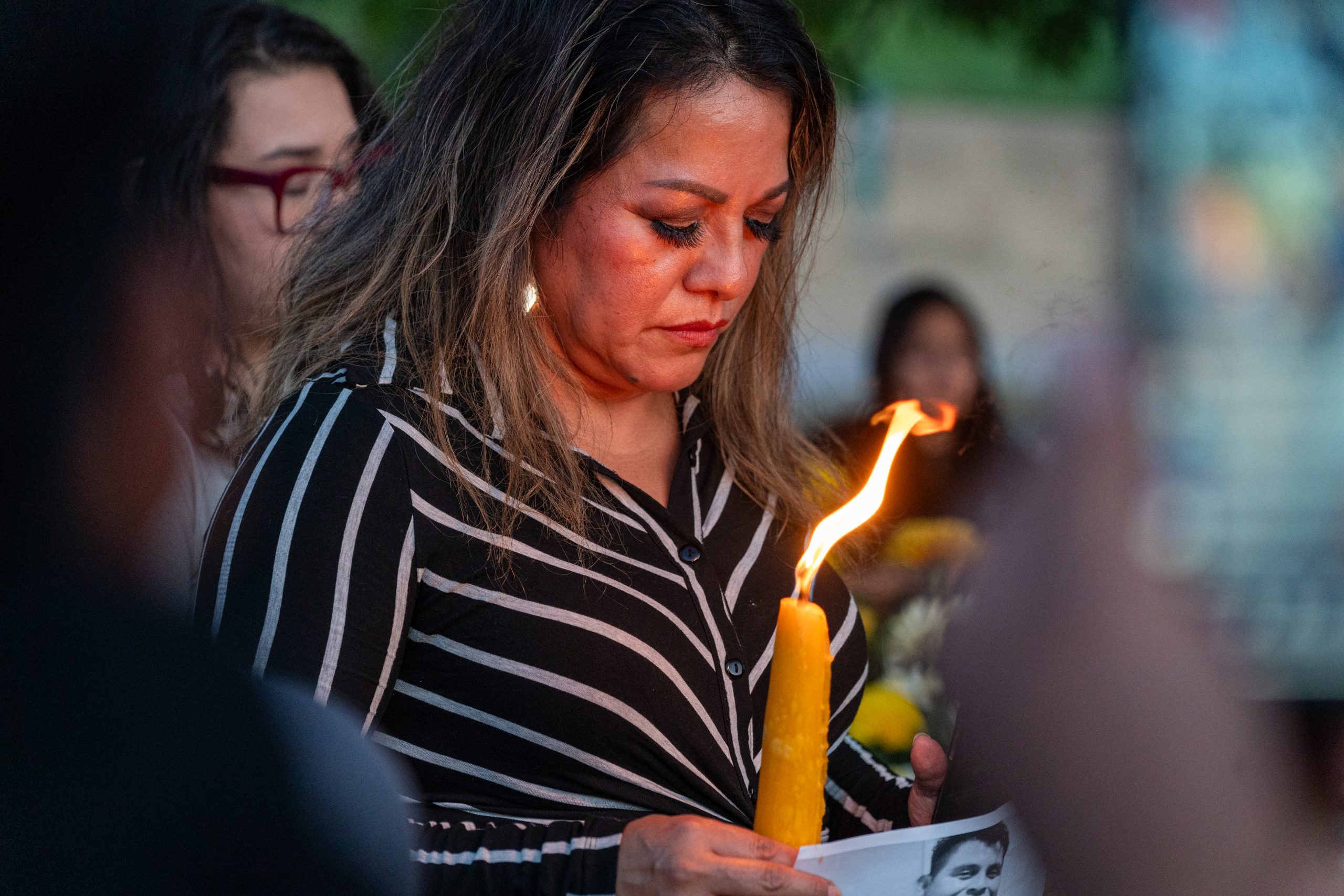
Barberi, like others, described Coronado Juárez as a hard-working Christian man who sent all his earnings to his family in Guatemala.
“He used to send every single penny, eating just beans and eggs every week,” Baberi said. “He would save the most that he could so he could send money back because he knew his time was limited here with the current administration pushing us to go back.”
Baberi also responded to the numerous comments asking, ‘Why would he flee?’
“When you live under those conditions, you will flee because you need to… until the last second to try to have your family live with dignity. And that’s what he was trying to do, have his family.”
Barberi explained that Guatemala is a very poor country, and Coronado Juárez’s family struggles to have a safe and clean place to live, with their current house having no walls.
Lowe also demanded justice for Coronado Juárez, highlighting what specific actions she wants the city to take.
“So what justice looks like. It looks like ICE, GRPD, the Police State Department, and the Fire Department, and all other authorities will release all available video footage, emails, radio communication, and cell phone communication to the fullest extent so that the public and Mario’s family can know exactly what happened,” Lowe said.
Lowe called for an independent investigation into the tragedy to bring the family the truth about what happened.
“We don’t deserve to be in fear,” Lowe said. “We should be able to work without fear, and to see that we can die like Mario, there is injustice. We also want to bring all agents and governmental agencies responsible to justice.”
Lowe also demanded that the city of Grand Rapids adopt six sanctuary policies to protect immigrant families, including the banning of Flock cameras and automated license plate reader systems (ALPRS).
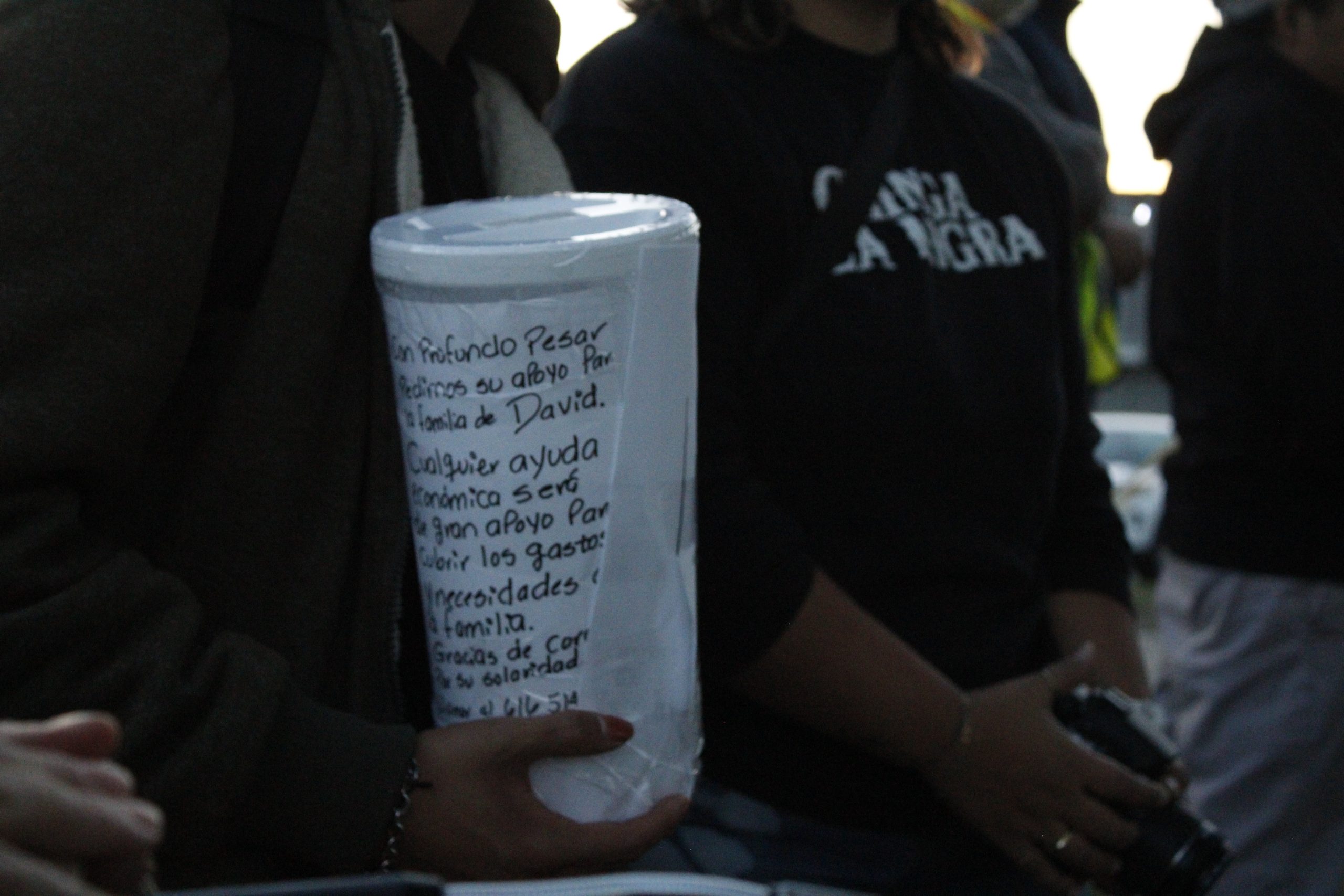
Throughout the vigil, community members were encouraged to donate money to Coronado Juárez’s family to assist in getting his remains back home.
“That’s where he belongs,” Lowe said.
The vigil ended with a Guatemalan tradition led by Coronado Juárez’s cousin to honor his heritage and his life.
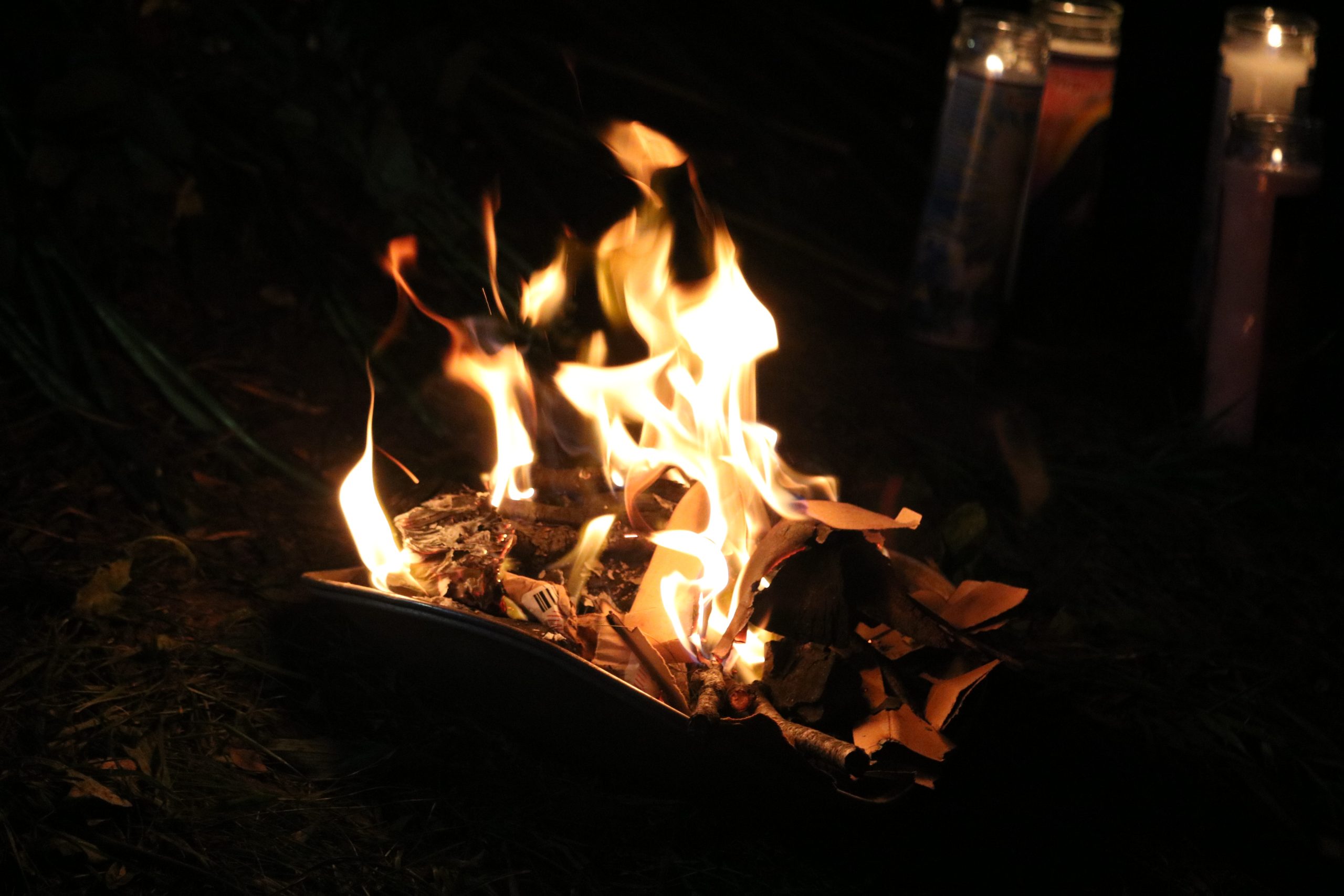
After the ceremony, Barberi spoke with The Collegiate about Coronado Juárez’s final days.
“I’m having a hard time because Mario reached out to me on Aug. 25… and I didn’t respond to him,” Barberi said. “… So, I’m just sad that I didn’t help him in the last days of his life.”
Commissioner Kilgore highlighted the fear that immigrants experience and called for more compassion within our community.
“I think that it is very simple. I am pushing for everyone in this community to show humanity,” Kilgore said. “When you look through DHS’s comments and you see them citing Mario as an illegal alien, my question is, what type of dystopian landscape are we in? What I see is a human who is in deep fear, running for their life.”
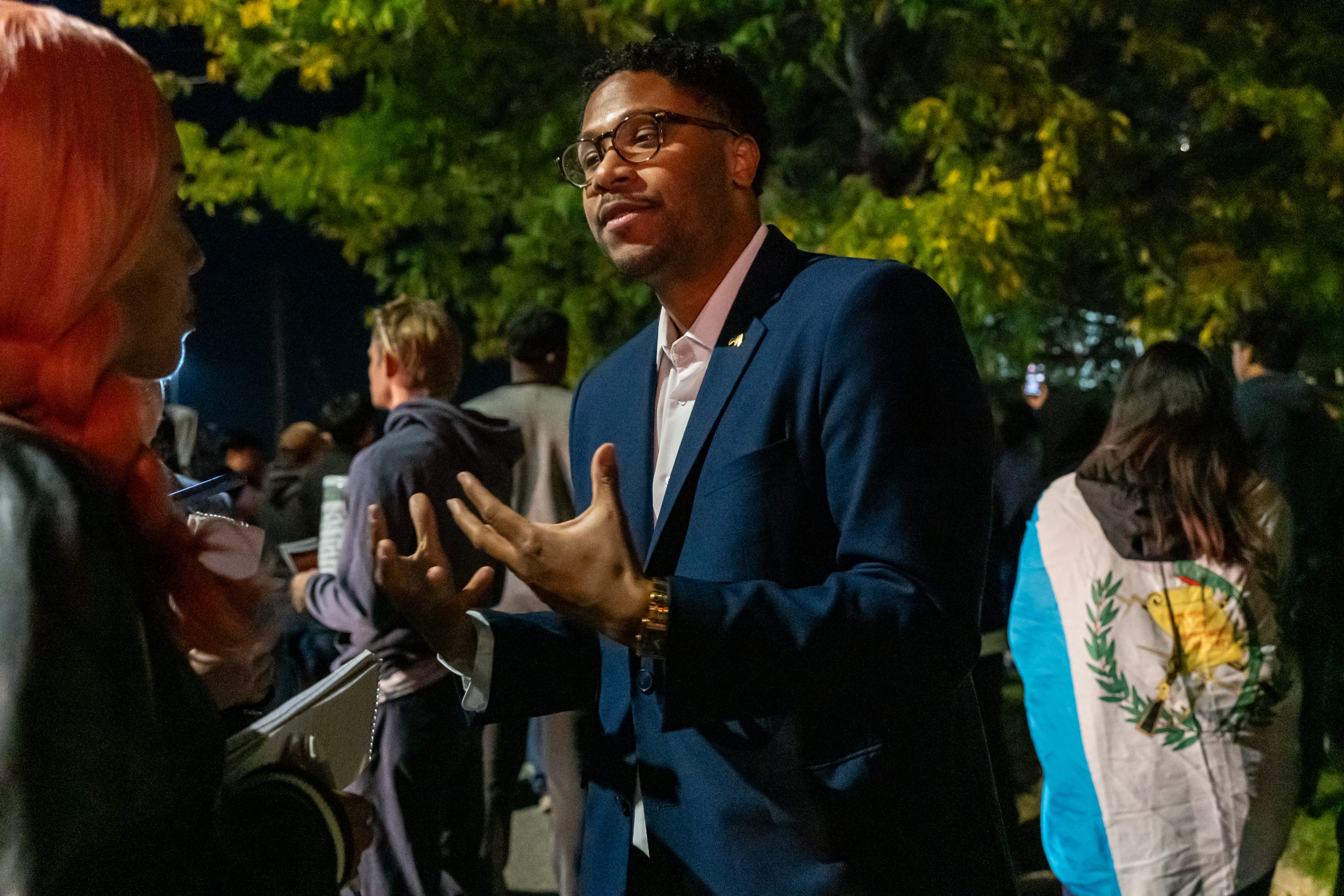
Kilgore, as a Black man, can relate to the fear of being targeted by the authorities.
“I’m in no way condoning breaking a law, but I need people to show more grace,” Kilgore said. “Who has not made a mistake? Who has not shown up as their best self? Maybe this wasn’t his best moment, but I wish and prayed that he could still be here.”
Kilgore recalls the ways he’s seen the fear of ICE negatively affect community members, and he wants them to know he will support them.
“And so coming here tonight was to show every single one of my constituents, as I represent the most diverse ward in Grand Rapids on the southeast side, that I stand with them, and I stand with every single human. And I rather you have your day in court, when you have broken the law, than not be here.”
Lowe stressed that ICE and other federal agencies have villainized Coronado Juárez as a criminal, while people who knew the father of three say he was a good man trying to support his family.
“The ICE and the federal government have mischaracterized immigrants as criminals, and that’s not true,” Lowe said. “So that’s why we want to tell people who he was, and also, to tell them that we’re not going to… stop until we get some justice for the family. The family wants to know what transpired, and then bring people to the full extent of the law.”
Lowe reflected on the night, bringing those in attendance back to the vigil’s purpose.
“…The outcome of this is to lift the spirits, you know, that he was here,” Lowe said. “Like, the beautiful ceremony that we saw is something that is traditional to their culture. And that was important, important that we had that culture here.”
As the night continued, Grand Rapids community members stood together in solidarity, chanting, “Justicia para Mario,” which means, “Justice for Mario.”

Collegiate editors Kyle Jackson, Ella Ware, and Kole Meschke contributed to this story.