By Kevin Lopez
Mental Health does not discriminate against anyone, you can be any gender, ethnicity, or identity, the issue will always be prevalent. It’s a part of everyone’s life, and it’s extremely important to acknowledge it.
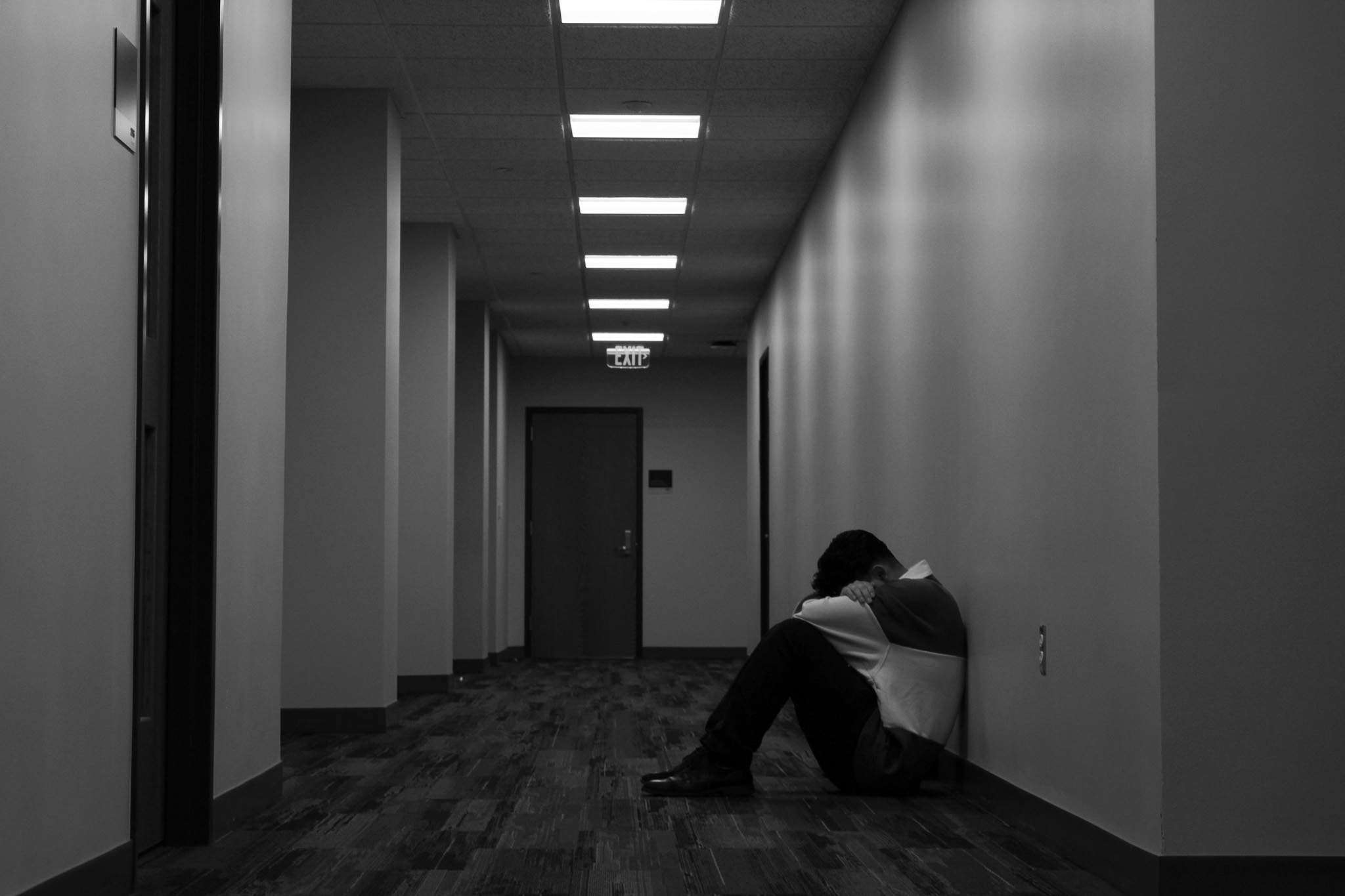
Although conversation around mental health has been continuously increasing in recent years and the belief to take care of one’s mental health seems to be at its strongest, there is still an intense lack of discussion surrounding men’s mental health specifically.
Suicide rates for men have increased over the last two years, along with an 8% increase of suicides for males aged between 15-24. Suicide is also the second leading cause of death in men under 45, and about ⅔ of suicides are by men.
The societal pressure on men to be strong, tough, and stoic causes one to feel lonely. Men are less likely to seek help for their issues as many feel they can’t show emotions, this has adversely affected men’s mental health for decades and has caused issues for those around them.
There are a multitude of stereotypes and stigmas surrounding men’s mental health that can make it even more difficult for men to feel like they have the opportunity or a positive outlet to share their emotions. A lack of opportunity to get help can cause people to feel even more isolated and alone.
Richard V. Reeves, the author of the book “Of Boys and Men: Why the modern male is struggling, why it matters, and what to do about it”
Talk about how men have lost their identity, through evolution of the world and the rising status of women have created a situation where men feel lost.
“The peculiar situation of the human male requires urgent attention. We must help men adapt to the dramatic changes of recent decades without asking them to stop being men. We need a prosocial masculinity for a postfeminist world. And we need it soon.”
The Collegiate discussed men’s mental health with male GRCC students who offered their perspectives and thoughts on the topic.
Robert Osborn, 24, Grand Rapids, felt that he couldn’t really discuss his mental health when he was younger.
“Men are often discouraged from talking about their feelings, and many mental health issues such as depression and anxiety,” Osborn said. “Since it is taboo to talk about it, I didn’t start until I was an adult when I had met people who were willing to break that stigma and finally learned for myself how much it helped,” Osbourne continued, ““I feel like men are frequently expected to be stoic rocks, not letting anything show, so trying to talk about tough emotions seemed almost alien.”
Aidan Brower, 19, from Hudsonville, also shared his feelings on the subject, “I feel like awareness has gone up in recent years, but it’s not where it should be.”
Benjamin Schenkel, 21, from Middleville, weighed in as well, “It’s not as bad as it used to be, but I’ve definitely been told to man up before.”
It can be hard for men to reach out and find solutions for the issues plaguing their life. Solutions such as therapy have been proven to help, despite the stigma around even considering it an option.
Mason Moore, 22, from Middleville, agrees that the stigma surrounding mental health is a big obstacle.
“Absolutely. I am 5’10 and 250 pounds with a big beard,” Moore said. “A lot of guys would call me a pansy or other words you can’t print if I tried to tell them I have been dealing with depression and felt helpless.”
Ethan Hawke, 20, from Grand Rapids felt that the perceived privilege can affect how people reach out.
“I am a white male, since people that look like me are advantaged in life nothing in my life can possibly be wrong,” Hawke said.
When asked to elaborate further, Hawke said, “It’s hard to be treated like you have done something wrong just for being white and/or male. If I were to say anything, so many people would turn against me immediately. It’s a heavy weight to carry with no hope of help.”
We asked all participants to suggest ways that we could open up the discussion more and create more awareness for men’s mental health.
Brower said, “It’s obviously being brought up and introduced to the conversation, but it’s not being elaborated on. We need to go in depth, like the long term effects and I still feel like men’s mental health is in its infancy.”
Schenkel also shared his thoughts,“Make it genderless, because this is a human issue,” said Schenkel. “That’s where the stigma comes from or if we are gonna keep it the same then treat it equally.”
Moore offered his perspective as well, “If coaches and teachers talked to kids in 5-8th grade about anxiety, depression, and stress the way they do in highschool, a lot of people would discover they have a problem and that it is perfectly normal and okay for them to have that problem.”
“I think a relatively easy way to open the discussion is to start with being more open about positive emotions,” said Osborn. “Mental health is a hard thing to talk about in the best of circumstances, but with an unwillingness to talk about any emotions, the fundamental blocks of the discussion aren’t present. That makes it very difficult to even start.”
Remington Ludtke, 21, from Middleville stressed how important it is for students at GRCC to take advantage of the counseling services on campus.
“I’ve had counseling here before and I took the opportunity and it was a good thing,” said Lutke. “It really helped me.”
Lutke continued, “I want to promote more men’s mental health, not just after a tragedy, I’ve had classmates who have committed suicide and it bummed me out a lot and I just want more awareness and (to) encourage people to reach out.”
If you would like to reach out to the counseling center, click here. If you would like to reach out to “GRCC’s Get Help” click here.
Collegiate reporter Kaden Boock contributed to this report.