Grand Rapids Community College’s Bob and Aleicia Woodrick Center for Inclusion & Multicultural Affairs hosted Calvetta Watlington from the Pauli Murray Center for History & Social Justice.
This edition of the 31st annual Diversity Lecture Series centered on the life and legacy of Rev. Dr. Pauli Murray—an often overlooked, yet foundational, figure in the fight for civil rights and gender equality. Held during Women’s History Month, this lecture is a part of the Grand Rapids Women’s Chorus week-long celebration “Legacy of ACTIVISM: Sincerely yours, Pauli Murray.”
Nekia Evans, a peer mentor at the Woodrick Center, opened the lecture.
“As we continue to reflect on this year’s theme — cultivating a culture of care — it invites us to reflect on how we show up for one another on campus and as a community,” Evans said. “Care calls us to listen deeply, recognize humanity and dignity in others, and to uplift stories and contributions of others that have shaped the movement for justice.”
Evans highlighted Murray’s lasting impact, noting that their work challenged injustice across multiple dimensions of identity long before the concept of intersectionality entered mainstream discourse. Murray’s influence reached figures such as Thurgood Marshall and Ruth Bader Ginsburg, yet their story has often remained absent from historical narratives.
Following the introduction, speaker Calvetta Watlington took the floor.
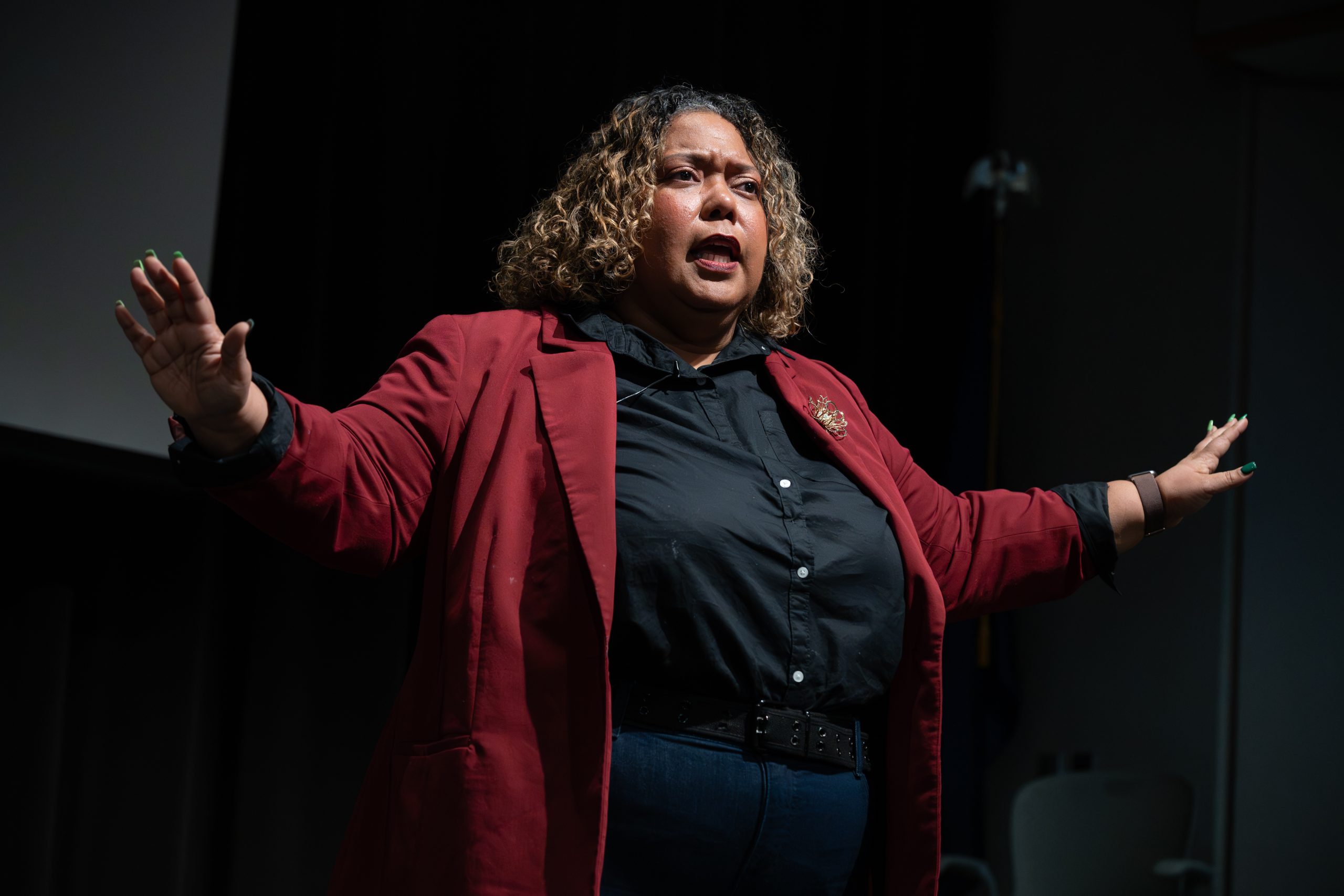
“The truth is, none of us are just one thing. We are many, many things… All those identities shape how the world sees us, but most importantly, they shape how we see ourselves,” Watlington said.
This concept became the foundation for a broader discussion of intersectionality, a framework Murray lived long before it had a name. Watlington explained that identity is not compartmentalized but overlapping, shaping lived experiences in complex ways.
“Intersectionality is essentially the idea that we all carry multiple identities at the same time—race, gender, nationality, class, faith… None of these identities exist in a vacuum, but they overlap and shape one another,” Watlington said.
Throughout the lecture, Murray’s life was presented not just as a series of achievements but as a testament to resilience. From challenging segregation laws in the 1940s to coining the term “Jane Crow,” Murray consistently pushed against systems that demanded people fragment themselves to fit societal expectations.
“What makes their life special is not what they accomplished, but who they were, how they lived, and their courage to live honestly inside that complexity,” Watlington said.
Watlington connected this directly to contemporary issues, noting that many individuals are still pressured, implicitly or explicitly, to suppress parts of themselves in different spaces.
“Sometimes, through people’s actions or inactions, they are asking us to separate ourselves. That is the same tension Pauli lived with their entire life.”
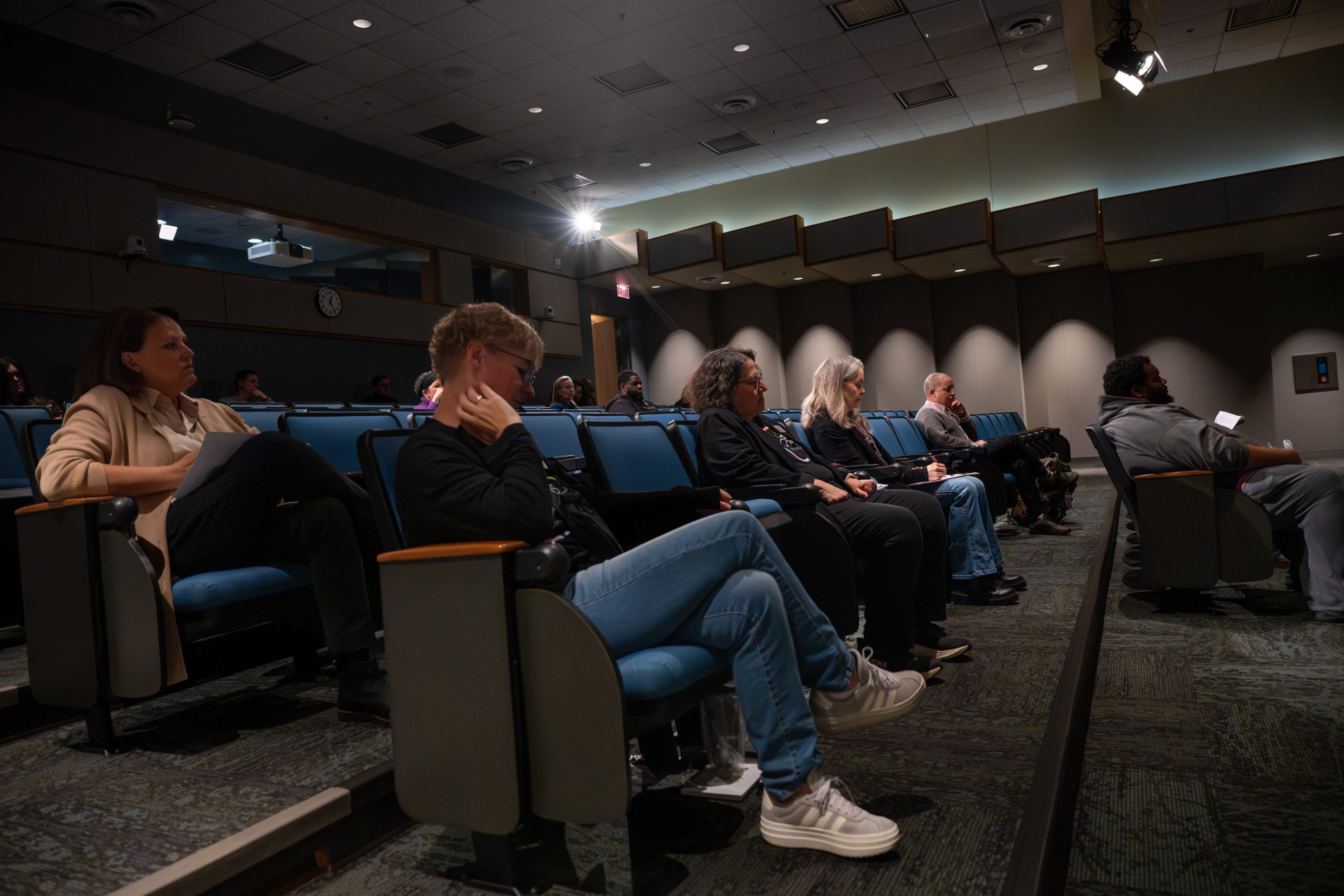
The lecture concluded with a call to action for the audience.
“Recognize the fullness of your own identity. Respect the complexity of others. Create spaces where people don’t have to hide parts of themselves… because justice grows when people can show up whole, just as they are.”
Following her talk, Watlington answered questions. One audience member asked why it’s important to recognize civil rights leaders like Rev. Dr. Pauli Murray, whose contributions have often gone overlooked.
“These conversations give people courage to step up,” Watlington said. “They remind us that people have been doing this work for a long time—even if they didn’t get the recognition they deserved. When we learn about people like Pauli, we start to see ourselves in the work. We understand that it’s okay to be what the world considers complicated.”
She encouraged attendees to carry Murray’s legacy forward in tangible ways through conversation, education, and community action.
“Talk about Pauli. Share their story,” Watlington said. “And take those lessons back to your own communities. That’s how change spreads—it creates a ripple effect.”
Watlington also noted that sustaining this kind of work requires both participation and resources, including financial support for organizations continuing Murray’s legacy.
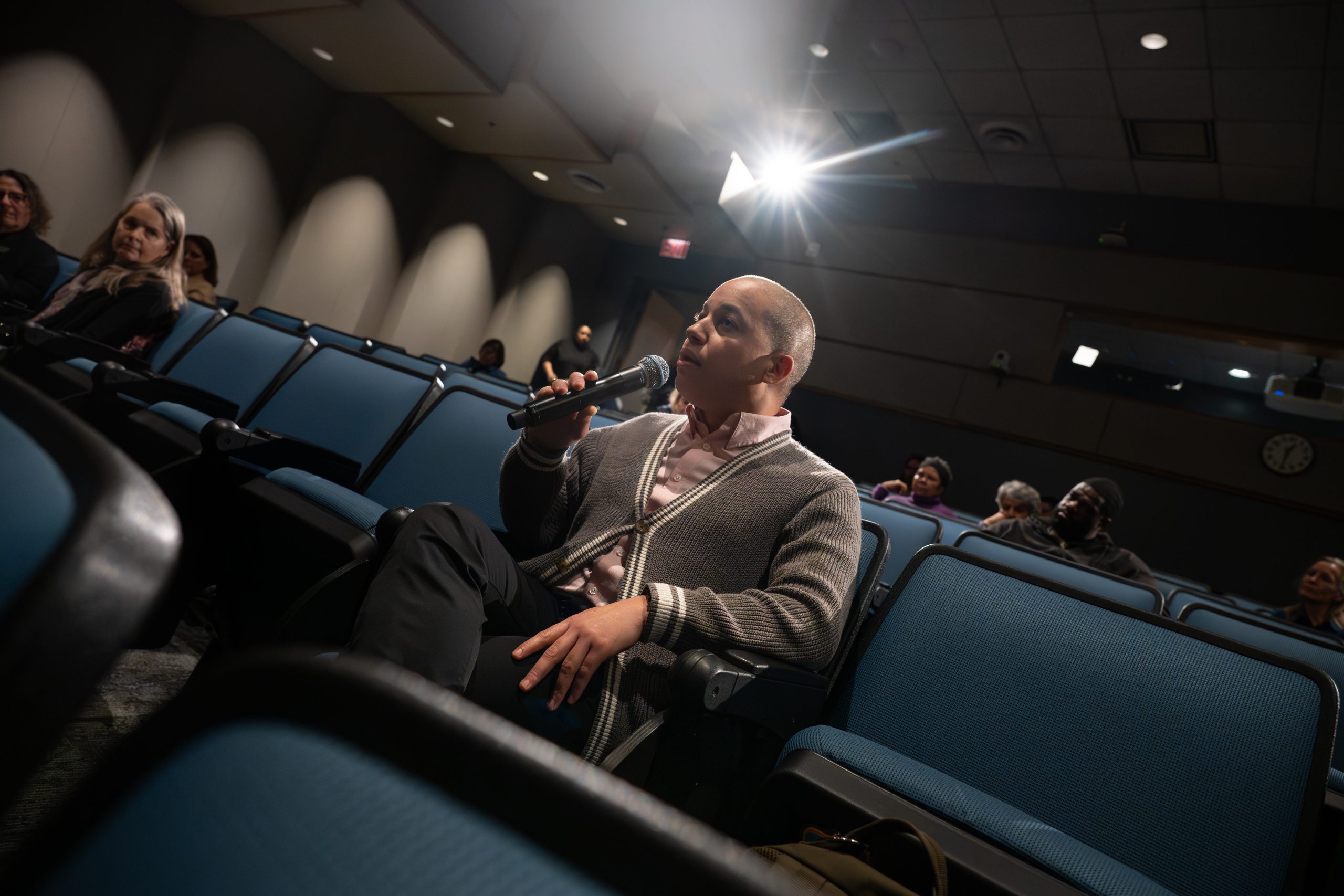
Watlington addressed one final question, why recognition for civil rights leaders so often comes after they are gone.
“We shouldn’t have to wait until people pass away to give them their credibility,” she said.
“Many of our leaders were targeted. That’s the reality. So while recognition matters, there’s also a balance—between uplifting the work and understanding the risks that can come with that visibility.”
A recording of the event can be found here.