By Kyle Jackson
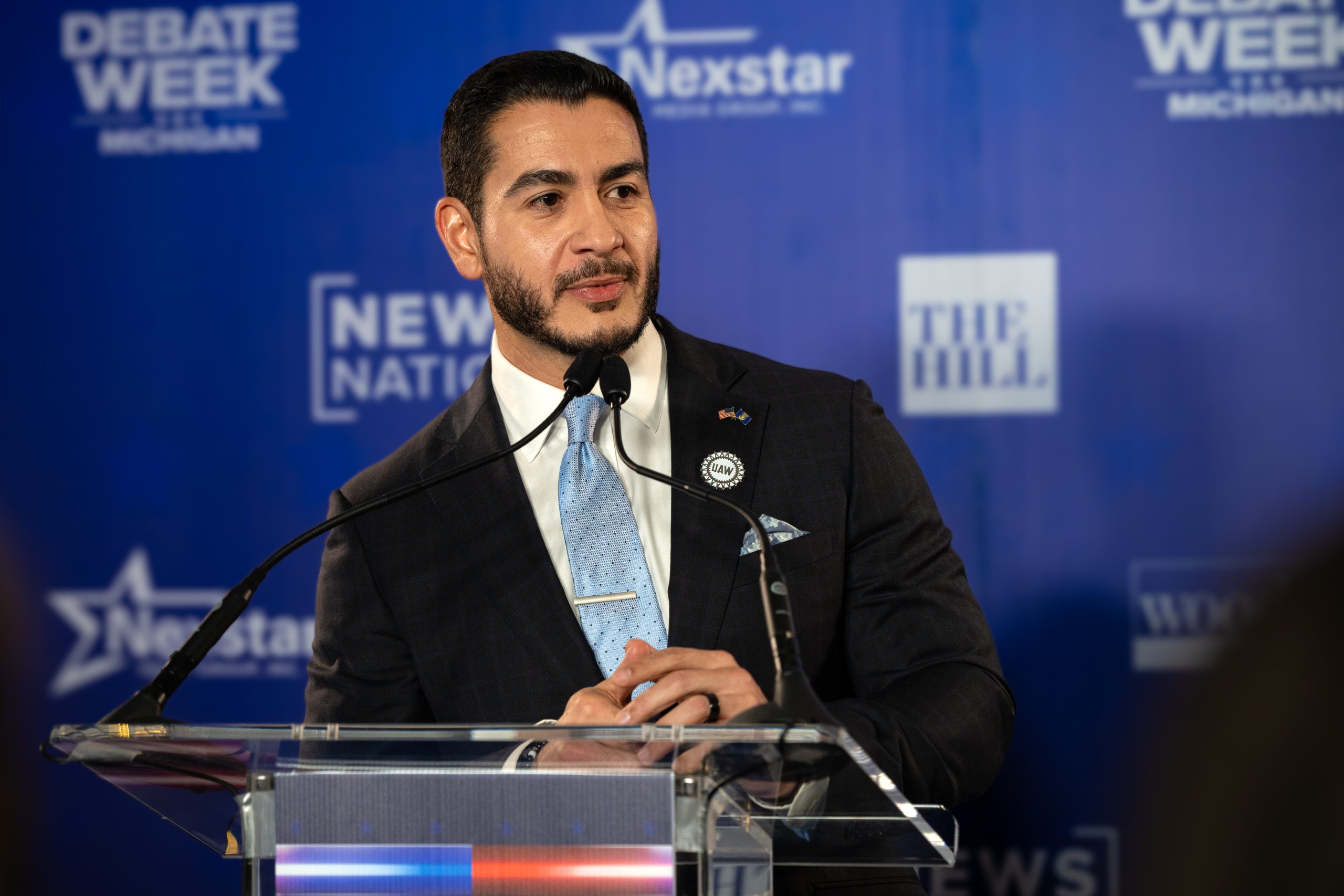
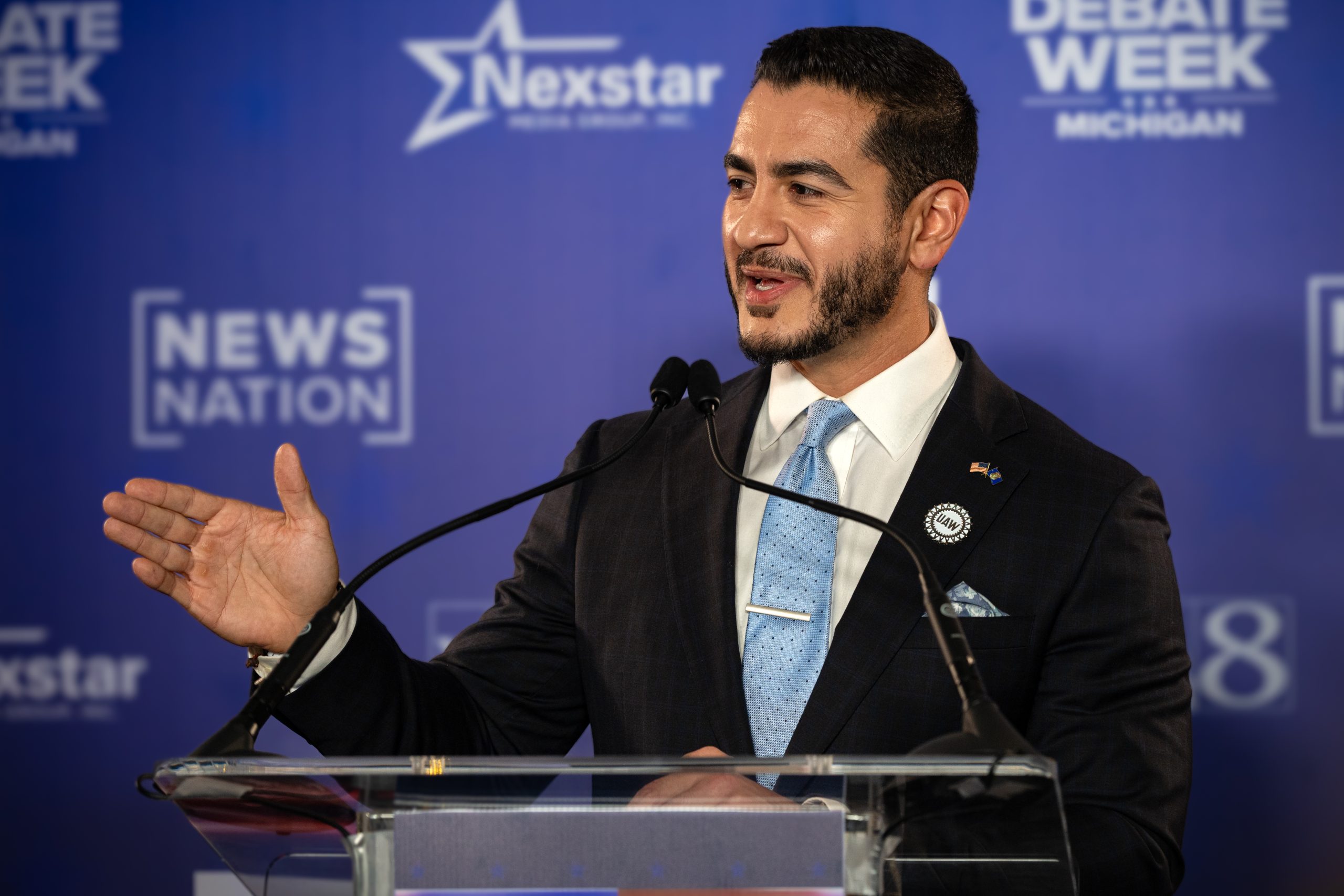
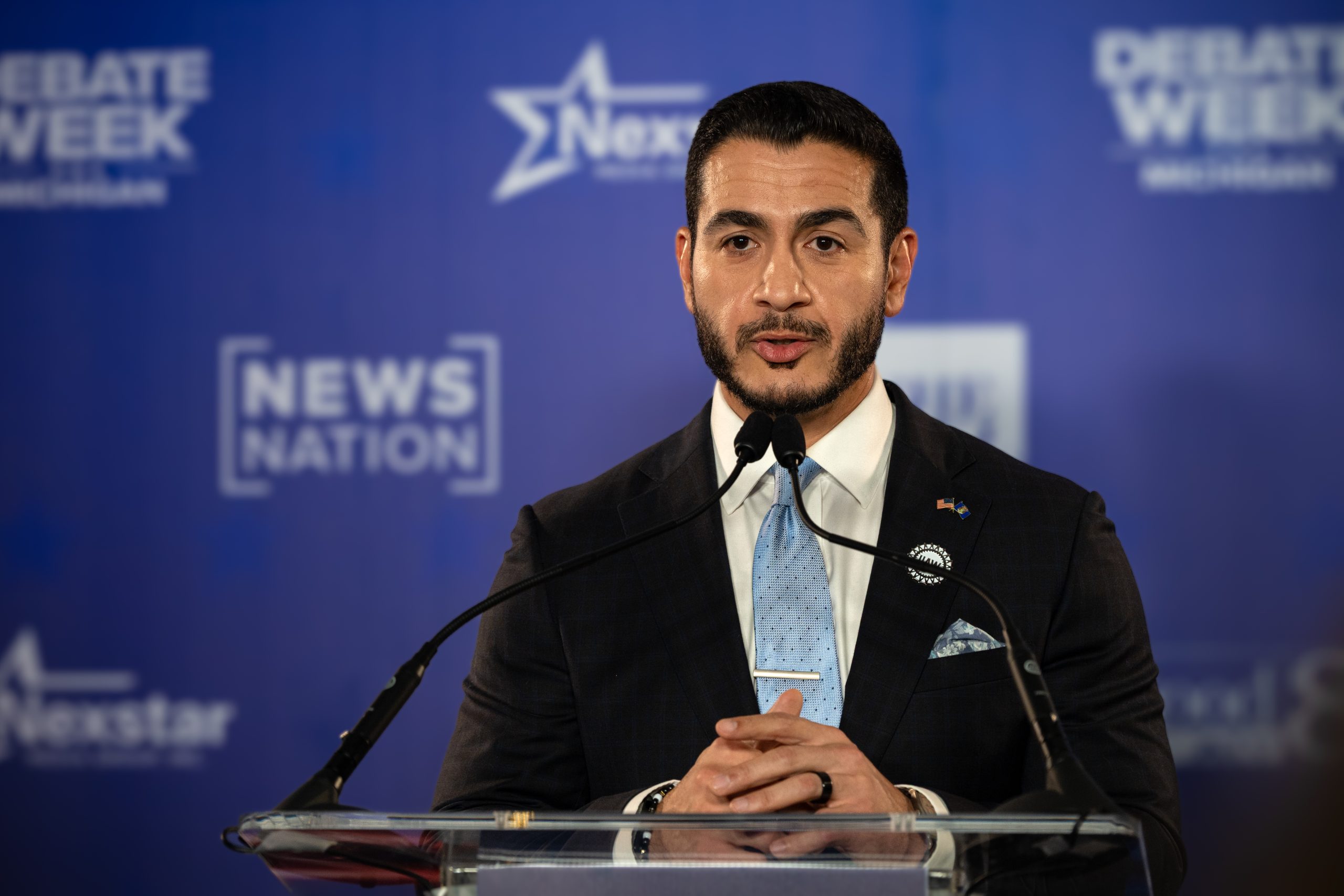
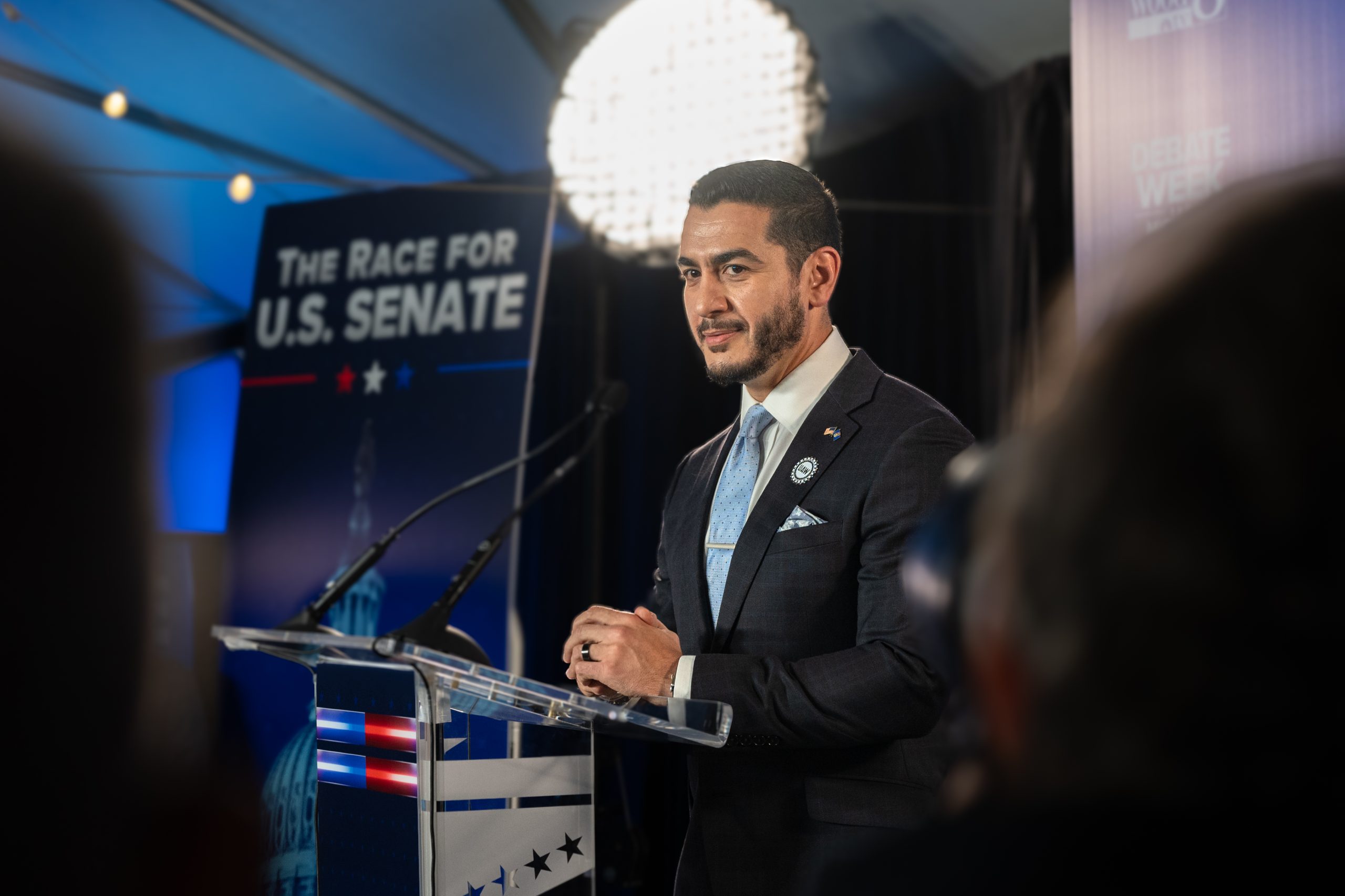
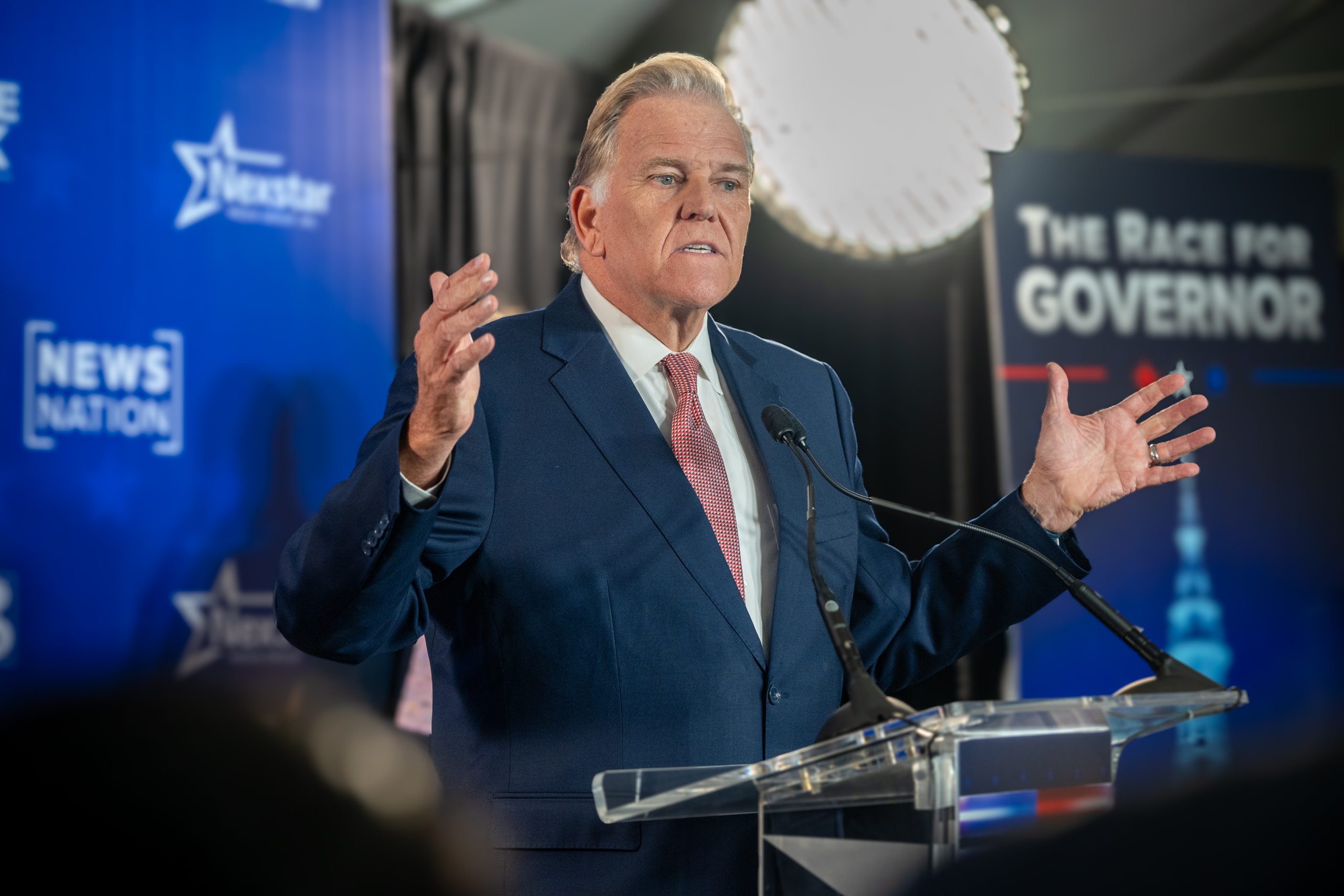
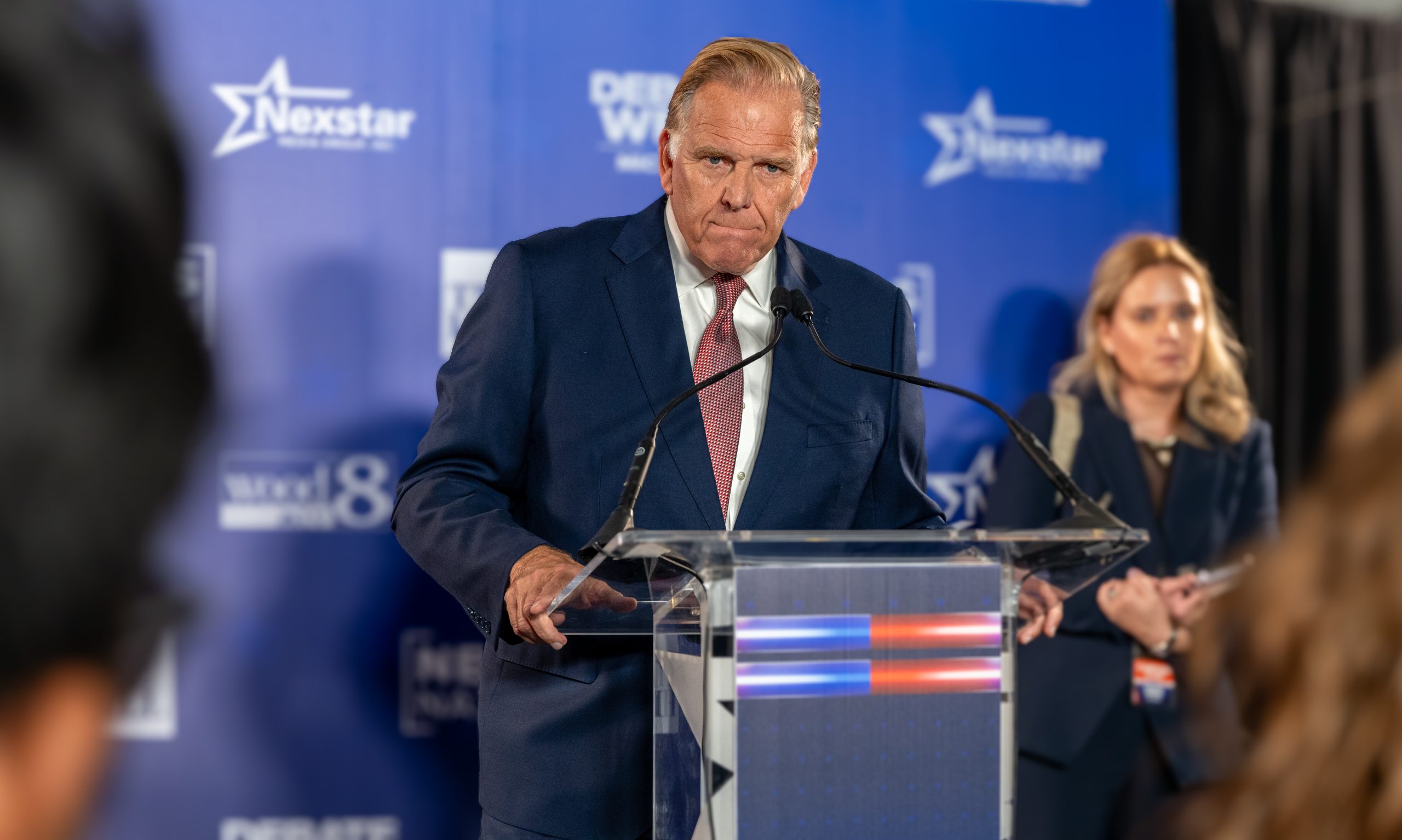
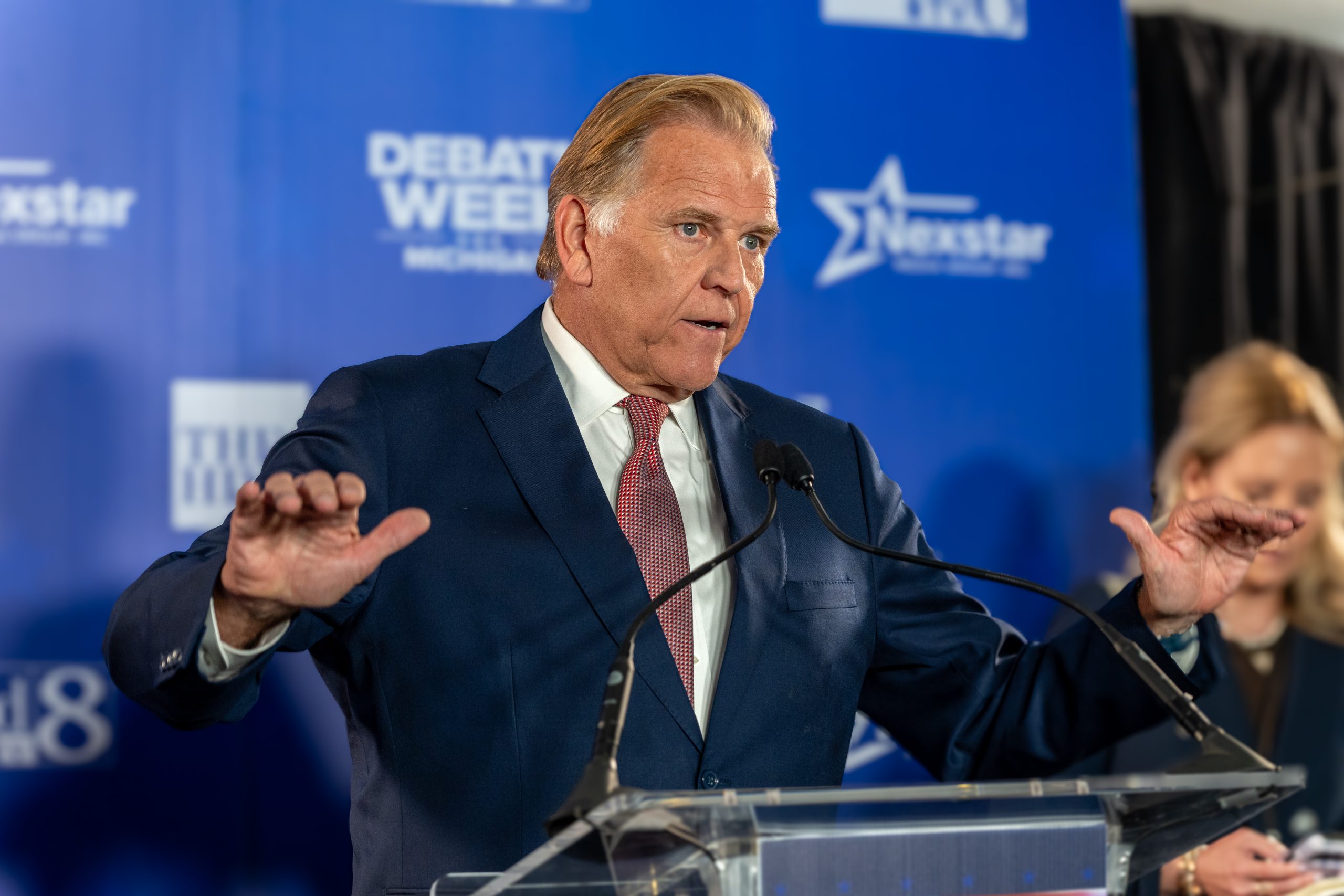
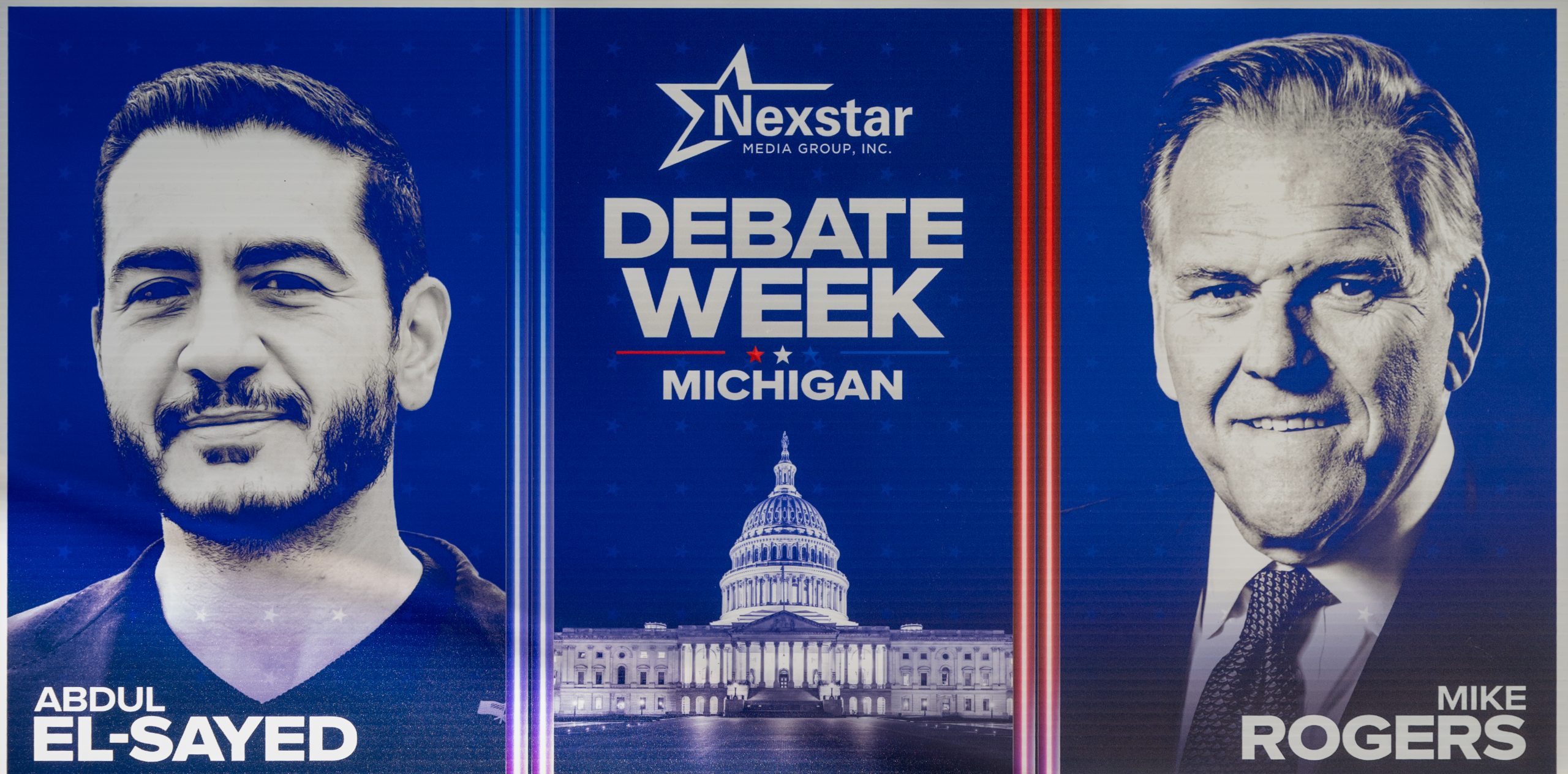
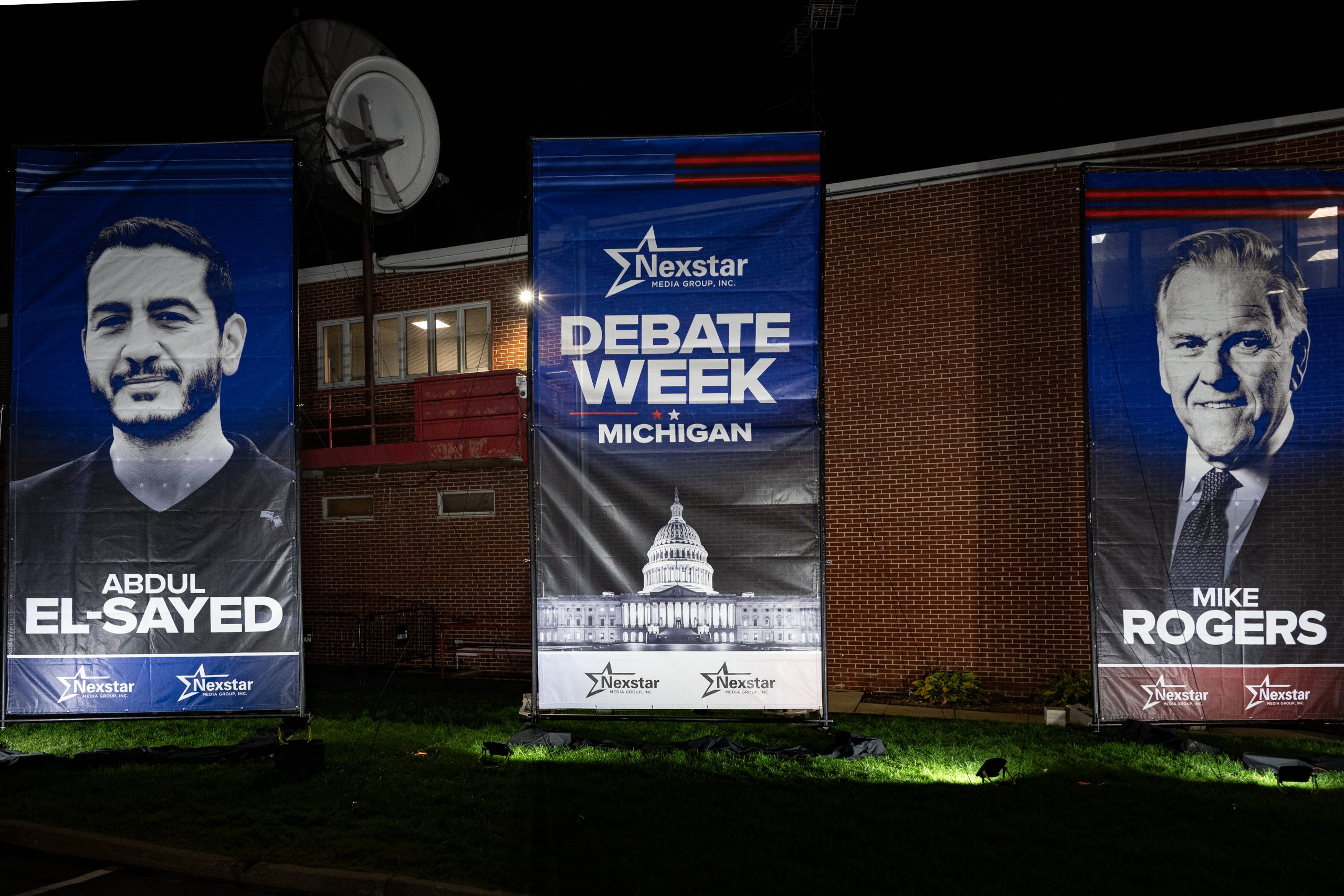
On Thursday, Oct. 8, Michigan voters saw the long-awaited debate between Republican nominee for U.S. Senate Mike Rogers and Democratic nominee for U.S. Senate Abdul El-Sayed.
The full video of the debate can be accessed here.
You can read more about the debate here.
The debate took place at WOOD TV 8 news station in downtown Grand Rapids.
The debate was moderated by WOOD TV 8 host and veteran political analyst Rick Albin.
Fuel Prices
The first round of questions for the candidates was on the current state of fuel prices, asking if candidates would consider pausing the federal gas tax and other price-curbing measures.
El-Sayed responded by stating that he would support pausing the tax and highlighting the current war with Iran as the primary reason for the high price of fuel. El-Sayed further criticized Rogers past support of the war, stating that his support further helped to impact prices.
Rogers answered the question by stating that he has always supported lower prices, criticizing a past blocking of legislation in the democratic controlled senate for a 50 cents per gallon reduction to prices. Rogers did not mention the name of the legislation that was blocked. Rogers also stated that he would be willing to pause the federal gas tax, limit the exports of diesel for a temporary break from high prices, and said he wants to see an end to the war with Iran.
Both Rogers and El-Sayed were given a follow-up question regarding the federal government potentially implementing price controls on domestically manufactured goods.
El-Sayed responded by stating that it is something that should be considered, saying, “When you are paying $5 gas and $8 diesel, that is an emergency, and I think we have the responsibility to do what we can to address it.”
Rogers stated that he would implement what he described earlier, additionally stating that El-Sayed is “not really a doctor.”
This claim is false, as El-Sayed received his doctorate in Public Health from Oxford College and his doctorate of Medicine (MD) from Columbia University College of Physicians and Surgeons.
El-Sayed further countered that Rogers is trying to make the debate about the two of them as opposed to the people watching and stating that Rogers is running at the behest of President Trump.
Rogers rebutted, stating that he’s running due to the job loss, high utility rates, problems with the average age of homeownership, education, and other pressing problems in Michigan.
Tariff War
The next topic was the current situation with tariffs with Canada.
Rogers was up first and was asked to respond to a previous statement he made where he claimed that he would work with the president to remove harmful tariffs while keeping beneficial ones. However, he also recently stated that he wanted the tariff war to end now, implying all tariffs be removed.
Rogers responded by stating that he still stands by his desire to remove some tariffs that Canada implemented on American goods, saying, “This is about getting the best deal possible. We need to end it.” Rogers said he made calls to the White House this week to ask that changes be implemented.
However, Rogers then criticized El-Sayed, saying that if he were elected, he would raise prices rather than lower them.
El-Sayed was then asked to respond to a previous statement he made suggesting that he would support tariffs that support manufacturing with unions at the forefront.
El-Sayed stated that, if he were to keep a tariff, he would keep “one that’s logical.” El-Sayed claimed to still hold true to his previous statement, arguing that the current administration and Rogers have cheered on tariffs that negatively impact Michigan.
Rogers argued that the tariffs he supported have benefited the state, saving Traverse City cherries and improving Detroit diesel by allowing for a third shift.
Currently, there is little evidence to support that tariffs have “saved” cherries at all, with tariffs increasing the price of farming equipment and resources for cherry farmers. Rogers did not elaborate on how tariffs allowed for the third shift in regard to diesel.
El-Sayed rebutted by attacking Rogers’ character, stating that he’s “bought off” and “cowardly” due to his affiliations with corporations.
Both began to verbally quarrel, going well over their allotted time doing so. The arguments were incoherent.
Healthcare
The debate then shifted to healthcare.
Albin played a clip of Democratic State Representative Karan Whitesett going on record to state that she is supporting Rogers, fearing that El-Sayed’s plan would remove Medicare coverage for people.
“You will lose your health insurance if the other candidate gets in office. There’s no ifs, ands, or buts about it. That is what Medicare for all means,” Whitesett said.
El-Sayed stated that with his plan, people would be able to keep their health care insurance and Medicare no matter what.
Albin also played a clip of past American Medical Association President Bobby Mukkamala criticizing the impacts of legislation Rogers supported on Medicare.
“The cuts to federal health care programs, including Medicaid and CHIP, will shift costs to the states and specifically to his physicians and hospitals to provide uncompensated care in a time when rural hospitals and physician practices are struggling to keep their doors open,” Mukkamala said.
Rogers stated that the legislation he pushed for provided $50 billion to rural hospitals and referenced how he pushed for the acceleration of generic medication to the annoyance of pharmaceutical companies.
Rogers then claimed that El-Sayed has received support and funding from people who support the Muslim Brotherhood.
El-Sayed responded by asking the viewers if the debate was about him and Rogers, or about them again.
ICE
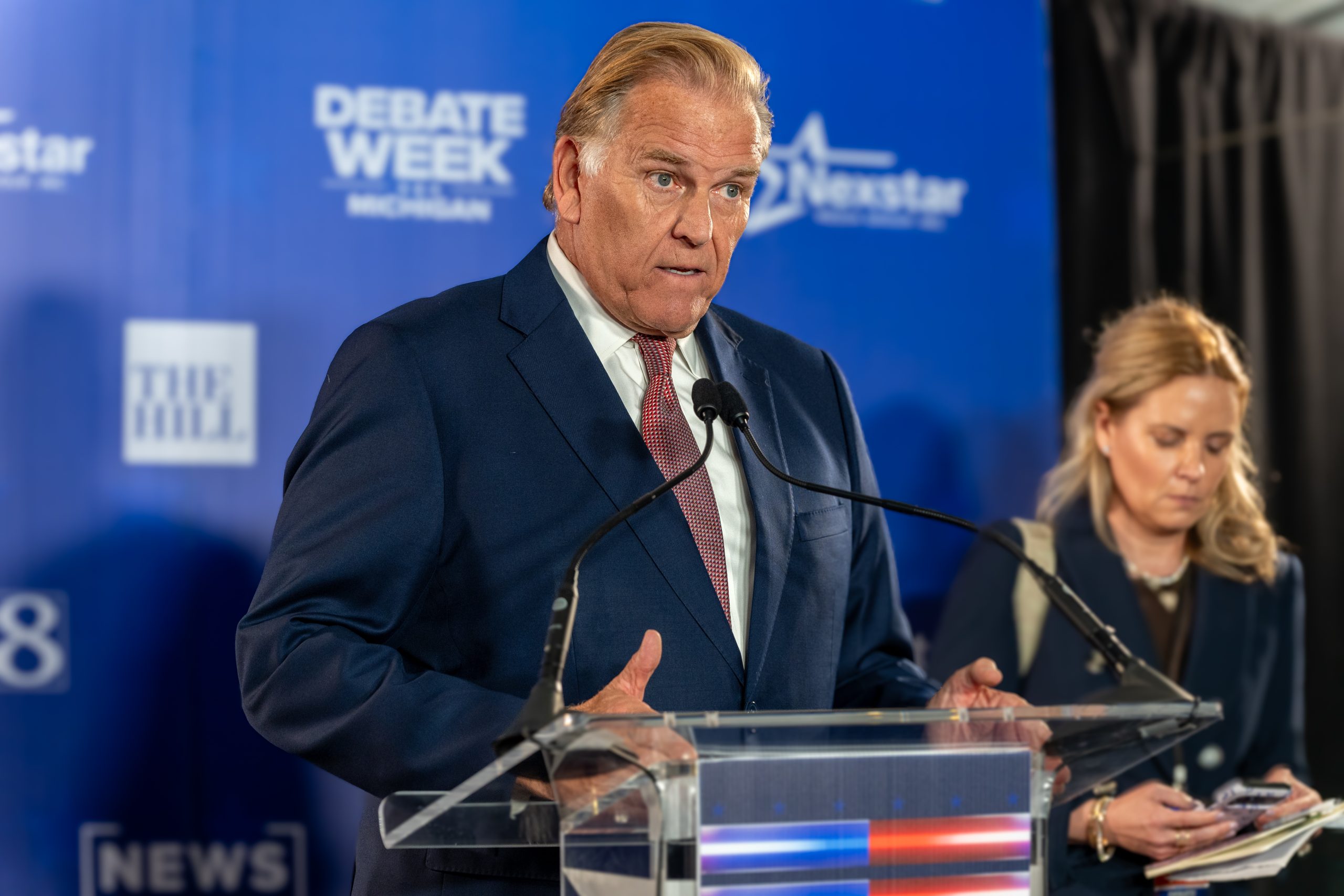
The next topic of debate was Immigration and Customs Enforcement (ICE) and its recent actions in the last two years under the Trump administration.
A question from Deb Morello, a resident from Grandville, was asked of the candidates about how they plan to hold ICE accountable. Additionally, if the candidate planned to abolish ICE, what their strategy for keeping borders safe would be.
Albin additionally asked Rogers if he could name an instance where ICE went too far.
Rogers answered by stating that he felt the public actions of ICE in Minnesota were “inappropriate,” highlighting his time as a federal agent to explain how ICE could have acted differently.
“You always want to go in quiet, get the bad guy, (and) get out of the neighborhood for less problems,” Rogers said.
Rogers alluded to still being in support of ICE as an immigration authority, stating that its actions have resulted in the largest decrease in murders, approximately 20%, and claimed that it’s because ICE was targeting criminal illegal immigrants.
This statistic and statement are not accurate, with the current reason for the decrease in crime still being unknown.
Albin then asked El-Sayed if an illegal immigrant committed a crime, would he deport them?
El-Sayed said “yes,” but in a fashion that “doesn’t violate the whole Constitution.” El-Sayed further stated that ICE is being used more to terrorize the streets rather than enforce immigration, stating that he feels that the country should revert back to an era like the Immigration and Naturalization Service (INS) to both protect the country and assist people who are “stuck in limbo” with citizenship.
Rogers rebutted by stating that El-Sayed supported opening the border and providing illegal immigrants with identification.
El-Sayed countered by stating that he feels that there should be a pathway for immigrants to become American citizens.
Iran War
The next topic was the Iran War.
Albin first asked El-Sayed if he feels like the war could end if the Strait of Hormuz is not opened and if Iran has the potential for a nuclear weapon.
El-Sayed said he believes in diplomacy, citing the Obama administration’s negotiations with Iran to secure a “steady state,” and believes the same can be achieved through diplomacy.
El-Sayed argued that the Trump administration undid the current diplomacy due to the president “just hating anything that President Obama has done.” El-Sayed continued to criticize the President’s war and Rogers for initially supporting it.
Rogers was asked the same and agreed that the war could come to an end due to military action that pushed back Iran’s nuclear program by 20 years. But according to Rogers, it can’t be over if Iran does have nuclear capabilities.
Rogers then began criticizing El-Sayed for not condemning the Islamic Revolutionary Guard Corps (IRGC), and their recent actions for the remainder of the time.
The two then began verbally fighting each other over time, once again becoming incoherent, requiring Albin to step in to keep the schedule on track.
Israel support
Albin, after quelling the argument, continued to stay in the Middle East, asking Rogers if there was any action Israel could take to lose his previously stated “unconditional support.”
Rogers stated that the question is very hypothetical and that he staunchly supports their right to exist and defend themselves.
Albin then asked El-Sayed that, despite his opposition to military support for Israel, would he vote to provide defensive weapons to Israel should it be attacked.
El-Sayed stated that he wants tax money supporting Michigan rather than Israel. Albin clarified that the answer was a no.
Threat Assessment
Albin then changed the topic to who the candidates viewed as more of a threat: Israel or Iran, playing a clip of El-Sayed at a recent rally saying that the hypothetical question was a dumb question.
El-Sayed answered by confirming that he feels both are a threat in different ways.
Albin then turned to Rogers, referencing his connections to the American Israel Public Affairs Committee (AIPAC), an American lobbying group advocating for pro-Israel policies, asking if he welcomes AIPAC’s support for his campaign.
Rogers explained that any help he could get against El-Sayed would be welcome.
Data Centers
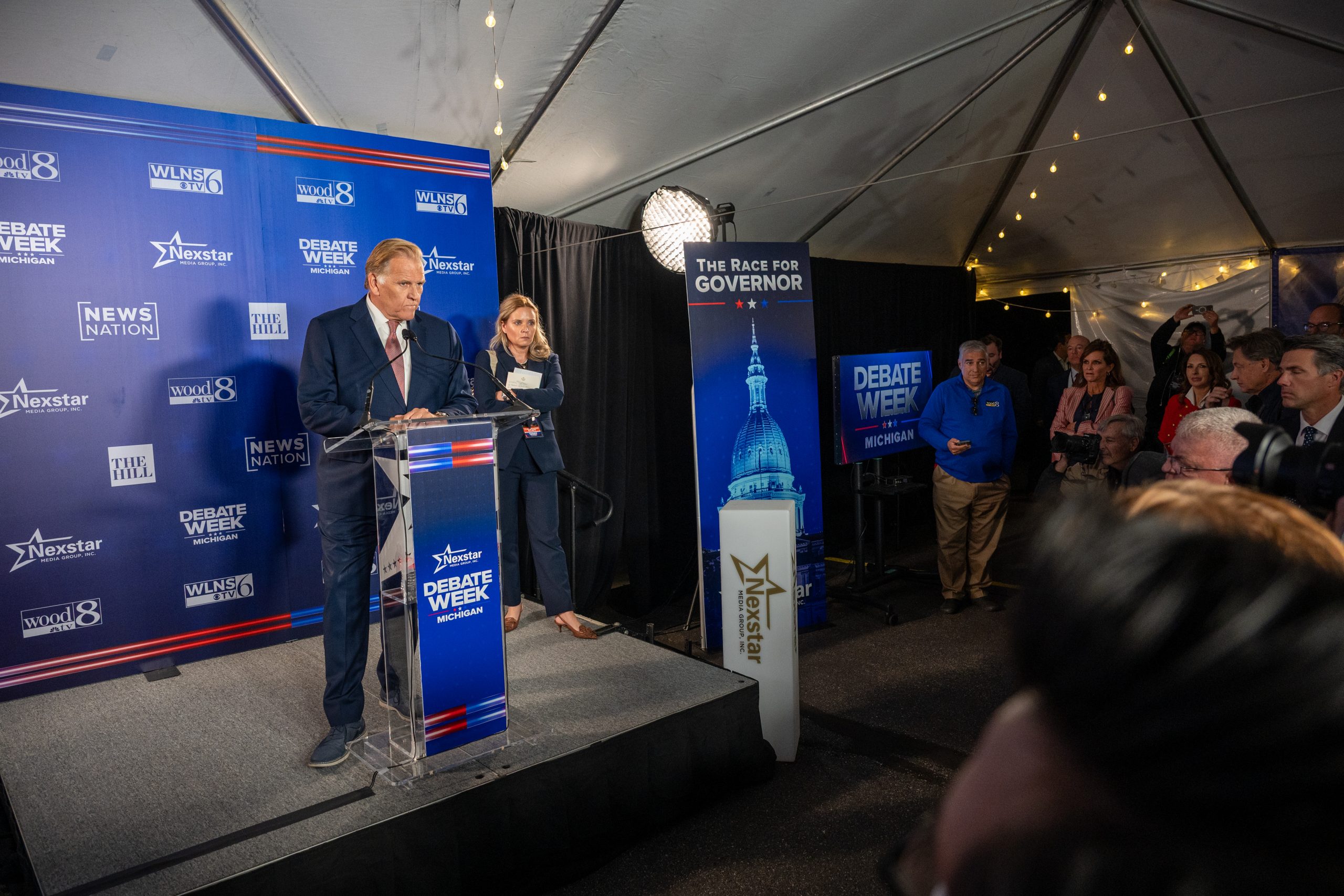
After an argument lasting the entire 70-second break, Albin stated he had never seen anything like it happen in his 30 years of moderating debates. The next subject was regarding Artificial Intelligence and data centers within the state.
Albin first turned to Rogers, restating his previous quote regarding data centers with “Michigan should take a break, probably,” and referenced how he stated he wants a moratorium in place, making him at odds with the president, before more development can continue.
Albin asked Rogers if a year-long moratorium is long enough for the state.
Rogers claimed that the choice would need to be made locally, data centers would need to have proper control systems in place, the power that the center uses should be covered by the center, and every property tax dollar should go to the people within the surrounding area.
Albin then asked El-Sayed what role the federal government should have in private AI companies.
El-Sayed argued that the public should have more agency with AI companies and highlighted Roger’s contribution to a major data center being constructed in Saline Township, named The Barn, and how it “bought off” Rogers.
Rogers was asked the same question and rebutted El-Sayed’s claims of him being bought out by major corporations.
There was not a clear-cut answer from either candidate.
Flock & other surveillance devices
Albin brought up the topic of Flock cameras and surveillance technology, asking both candidates if there should be federal guardrails put in place.
El-Sayed answered first, stating that there should absolutely be additional guardrails on surveillance technology.
“I think the idea of being surveilled, wherever you are, without your consent, is a very dangerous thing,” El-Sayed said.
Rogers stated that he feels that the local government should be responsible for the guardrails on surveillance technology.
“I believe local governments need to do this (place guardrails). I’m a big believer in the Fourth Amendment and swore that oath to the Constitution when I was an FBI agent,” Rogers said. “Protecting Fourth Amendment rights is critically important. I think the states can do it.”
Social Security
The next question, asked by William Bush, a resident of Holland, then played. Bush asked if the candidates could name two specific things that the candidates would support to prevent the Social Security Trust Fund from becoming insolvent.
Albin added to the question, asking the candidates what options they would consider, knowing that Social Security is going to be in trouble.
Rogers stated that members of his family rely on Social Security for daily life, then explained that he would plan to create a committee of officials and have them develop a solution before anything else of importance, to have a long-term, bipartisan solution. He also mentioned that he believes that anyone who borrows from the Social Security fund should pay back the money by the next fiscal year.
El-Sayed answered by stating that he would eliminate the cap on income taxes, arguing that the rich “should pay their fair share.”
El-Sayed additionally stated that he believes that Social Security Tax should be eliminated due to Social Security already coming out of paychecks.
Housing
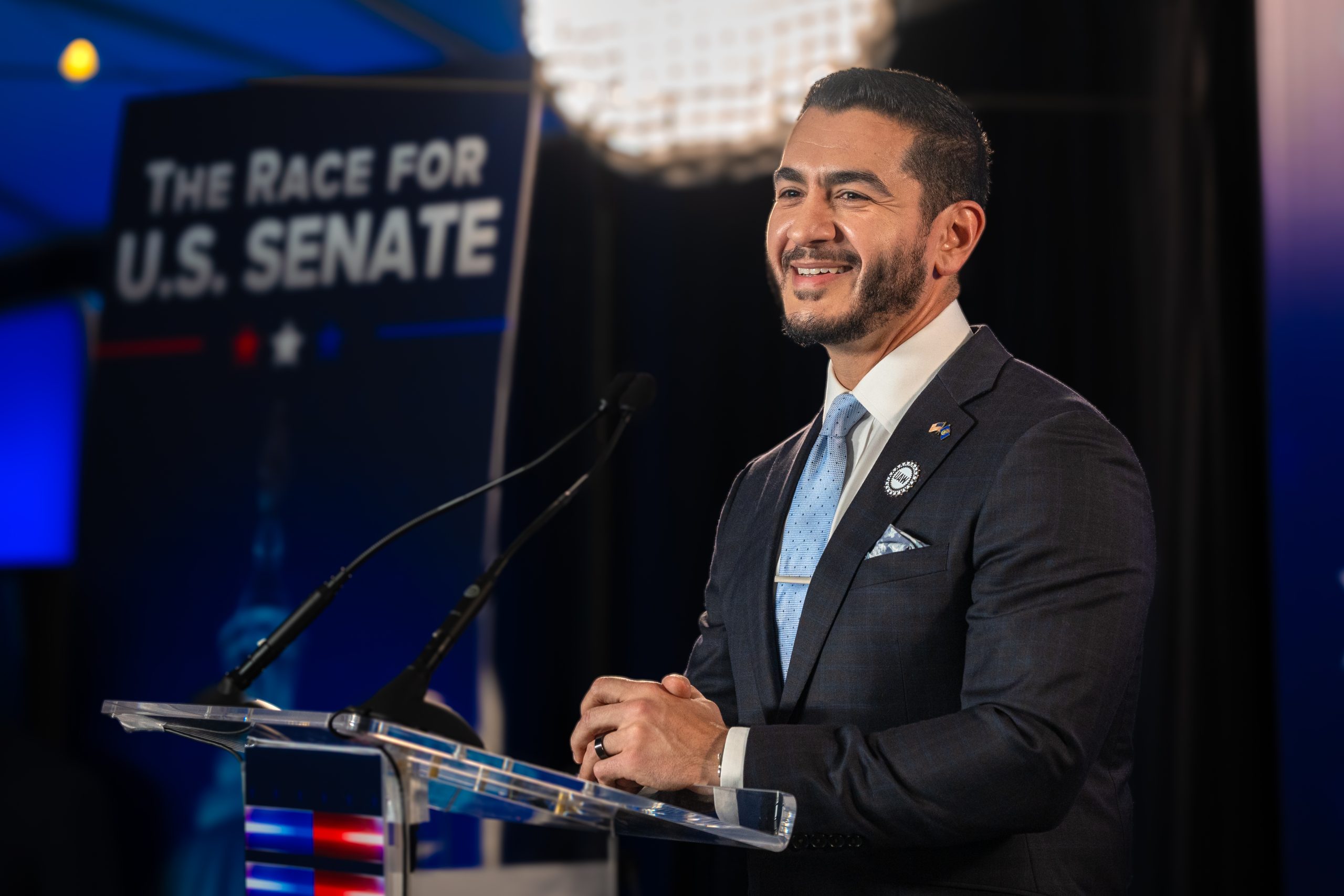
Albin then asked about housing security.
Both candidates have said that Michigan needs substantially more housing.
El-Sayed had previously stated that America needs a “construction boom,” yet also stated that there should be federal involvement.
Albin asked El-Sayed what action he would want to see from Congress.
El-Sayed responded by stating that he believes that corporations shouldn’t be allowed to speculate on housing, explaining that he wants to take on renting companies like Airbnb.
Additionally, El-Sayed stated that he would like to see a renters Bill of Rights to help protect renters.
Rogers claimed in a previous quote that his solution would be to “train more builders and fire more bureaucrats.”
Albin asked Rogers if he would support prohibiting large investment firms from buying single-family homes.
Rogers proposed that he would “tamp down regulatory environments” to make housing more affordable for buyers. He did not give a clear answer.
Federal Debt
Albin then changed the subject to the federal debt being over $40 trillion, the high interest rates, and the difficulty for first-time home buyers.
Albin first turned to Rogers, asking what he would support to help decrease the national debt.
Rogers stated that he would support negating fraud to help lower the debt.
El-Sayed, when asked the same question, stated that he would support taxing billionaire wealth.
Political divide
Albin finished the debate with questions regarding the political divide between Republicans and Democrats.
Albin first turned to El-Sayed and asked who he works for and if there was one piece of legislation from Trump’s time that he would vote for if it was good for the state.
El-Sayed claimed that he works for the people of the state and claimed that the president’s views on corporate speculation seemingly aligned with his.
Rogers was never asked the same question due to him responding to El-Sayed’s statements for the remainder of the allotted time.
Closing Arguments
For closing statements, El-Sayed stated that he’s “interested in you,” reiterating the cost of groceries and gas.
Rogers, in turn, stated that the people “can’t afford Abdul,” stating that El-Sayed would implement a massive tax increase.
Spin Room
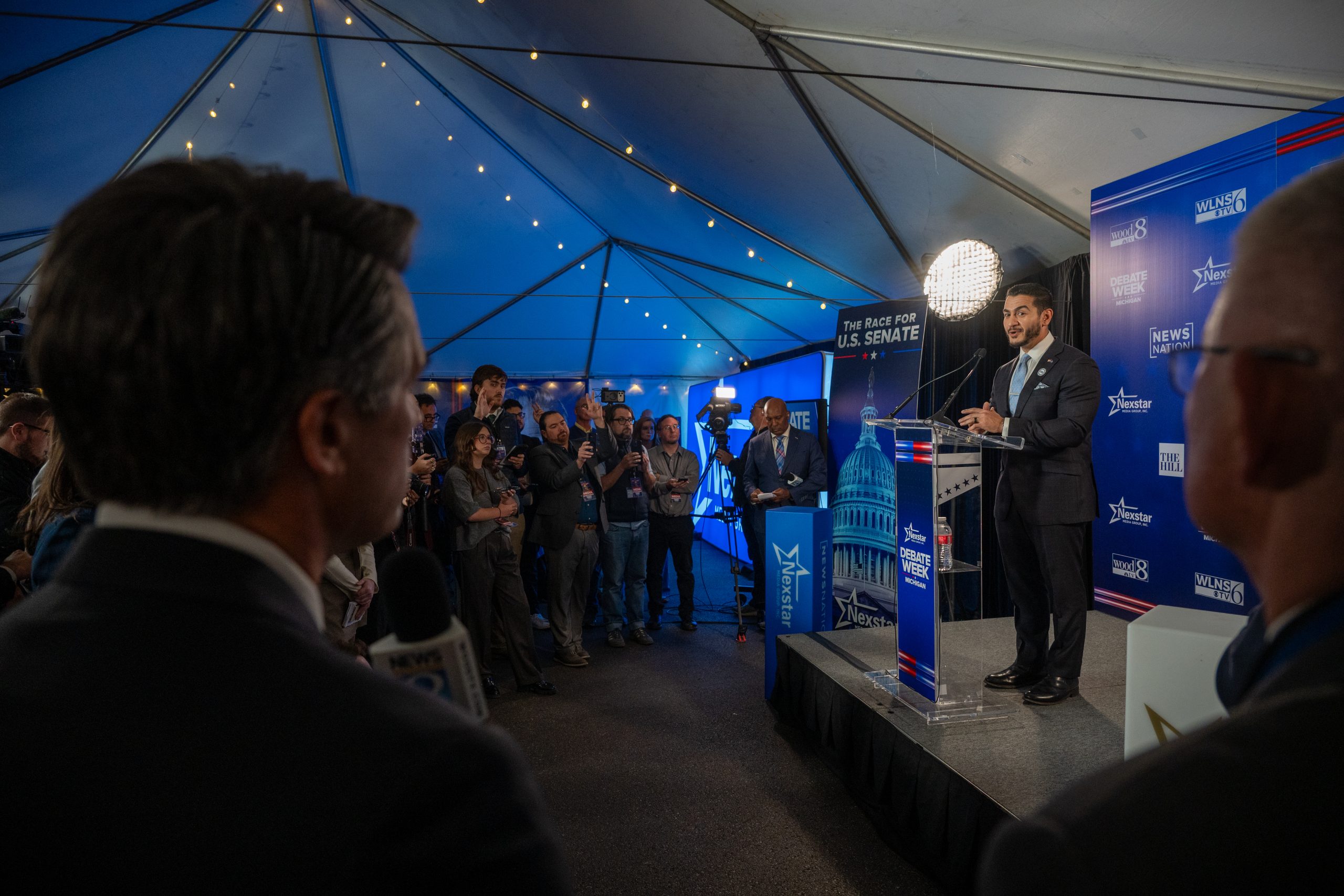
After the debate concluded, both candidates appeared in a spin room located in a tent outside the WOOD TV 8 building.
The first candidate to come out was Rogers, joined by his campaign team.
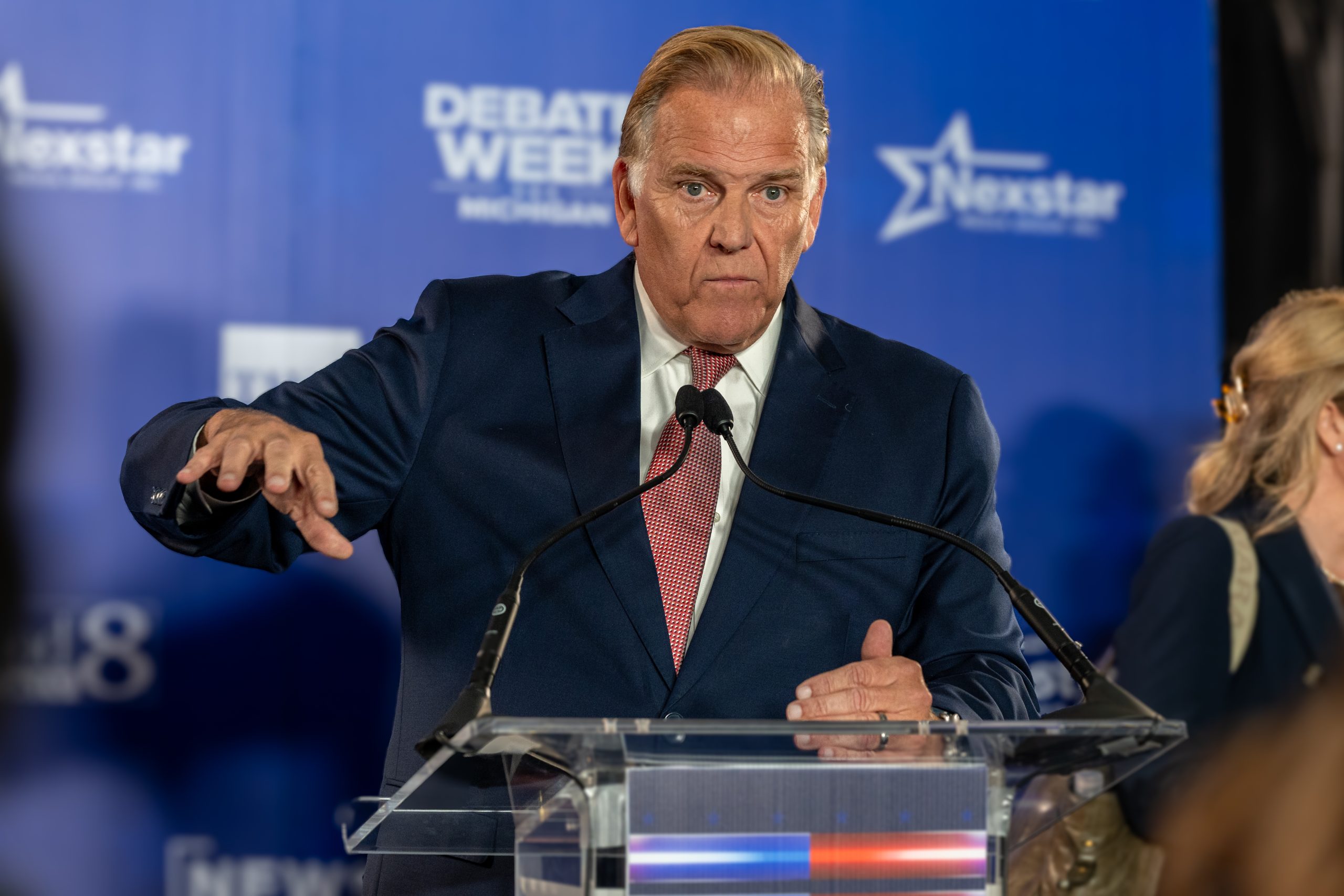
Rogers was asked about his changed stance on Canadian tariffs so late in his campaign, answering, “This was about the time. This wasn’t about a change of position.”
Rogers explained that he and others were told that the tariffs would be settled quickly.
Rogers was additionally asked if he felt like he should provide voters an explanation for his “incorrect” stance on tariffs, according to the reporter.
Rogers responded by stating that he has traveled the state extensively and that he knows what the pressure points are for manufacturers, standing by his stance on tariffs in light of the hostile question.
Other questions included inquiries about the president coming to the state and whether Rogers would want him to campaign with him. Rogers responded by stating that the president’s tariffs saved the cherry industry and the Detroit oil industry.
Another question was asked about how bills that would affect how local governments would be able to regulate data centers have garnered mixed support from Republicans and his stance on them.
Rogers stated that he isn’t familiar with the bills in question but wants to have questions about data centers answered and expressed his disappointment toward Michigan’s governor Gretchen Whitmer for overturning building projects.
“I didn’t like when the governor overturned local control on certain windmills and other things. I thought that was wrong,” Rogers said
Rogers was also asked about his thoughts on the differences between running against El-Sayed compared to Elissa Slotkin, stating that he feels that El-Sayed is a lightweight on policy compared to Slotkin.
Additionally, he was asked whether or not he felt the debate was constructive for voters.
Rogers stated that the best instruction from the debate is to go to a website that his team made documenting deleted social media posts from El-Sayed.
Soon after, Rogers left, and El-Sayed entered.
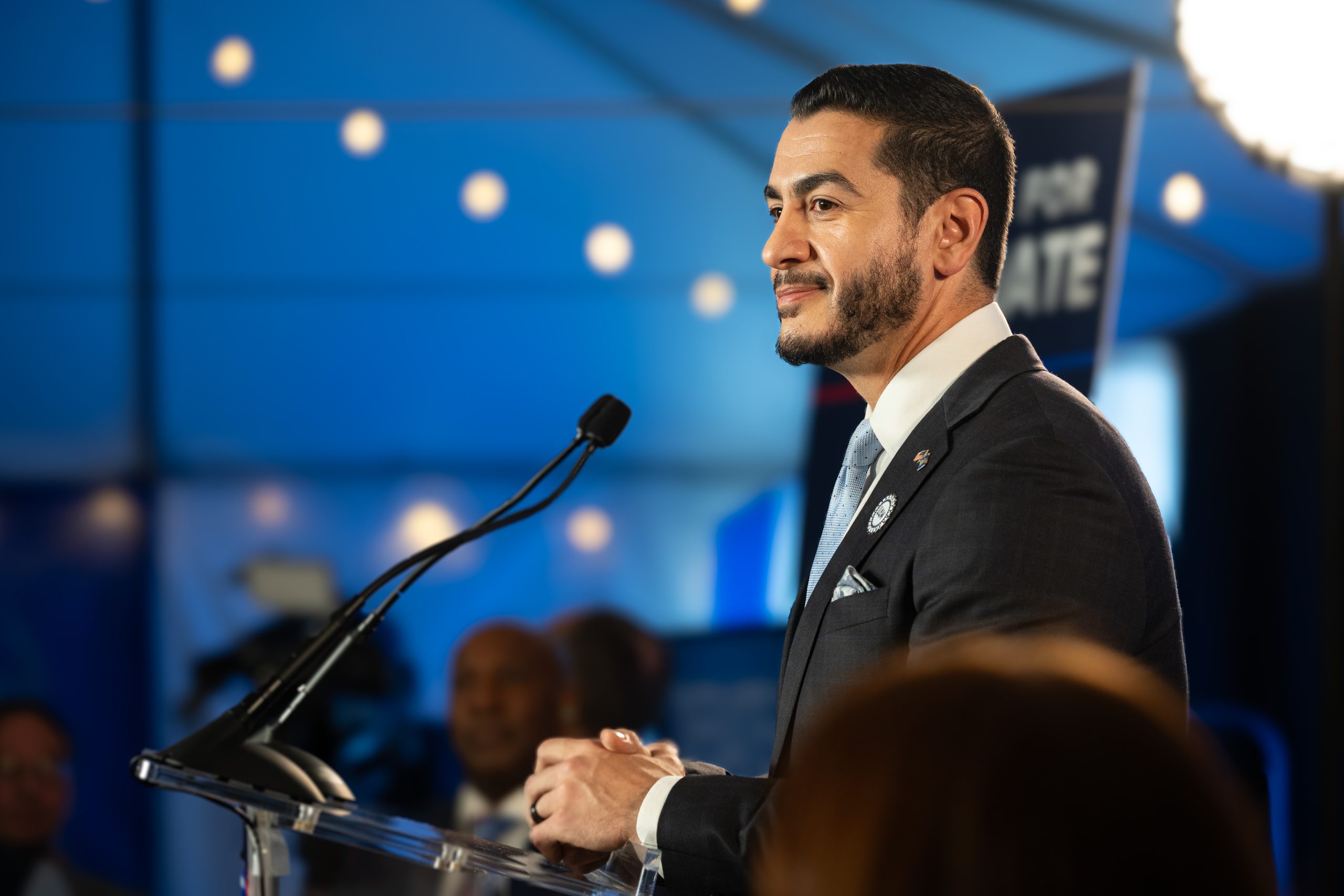
El-Sayed was asked about his reasoning for not speaking on Oct. 7, to the disappointment of Jewish voters.
El-Sayed stated he chose not to speak due to concerns of it being politicized, damaging the initial purpose of speaking.
El-Sayed was also asked whether he felt the debate ”chewed up policy” for voters.
El-Sayed stated that he wished it did, claiming that Rogers made the debate about the two of them rather than for the people.
“He wanted to make it about anything except for public policy,” El-Sayed said.
El-Sayed also continued to mention and criticize Rogers for his response toward data centers, with Rogers stating that choices should be on the state level while running for federal office.
El-Sayed was also asked about Rogers claiming that he received funding and support from the Muslim Brotherhood and other organisations, and responded by stating that the claims were made to point blame and distract voters from prices.
El-Sayed was also asked if he had a response to Rogers stating that he’s a lightweight on policy. He responded by reiterating what Medicare for all would do, mentioning that he wrote a book on the matter rather than just saying it.
“It would guarantee all of us healthcare from the moment we are born to the moment we pass…,” El-Sayed said.
Another reporter asked El-Sayed about what was discussed during the break. El-Sayed said that they discussed Rogers’ Florida home and how he now plans to rent it out.
El-Sayed was also asked about the Pentagon, stating that they were planning to livestream the execution of the Fort Hood Shooter and his reaction to it.
“I wonder what the goal is (to) livestream that. Do we want our kids seeing that? I think it’s a kind of machismo that we’ve seen out of this administration,” El-Sayed said.
El-Sayed also responded to questions regarding physical distance from hospitals, stating that he believes that the reason hospitals are so secluded from people is due to legislation limiting hospital reimbursement and pushing them further away.
El-Sayed did not give a clear answer to the question.
One reporter asked El-Sayed why he still campaigns with former President Obama despite his criticism of him.
El-Sayed explained that he views his relationship with the former president like a father who you don’t always agree with.
“So, it’s a normal thing to love somebody, to really appreciate all that they’ve done, and to say, “Hey, here are some things I would have done differently.” But they still did some important things to create opportunities for you,” El-Sayed said.
Another reporter asked El-Sayed why he shouldn’t have to answer for Hasan Piker and his actions if Rogers doesn’t have to answer for President Trump.
El-Sayed responded by clarifying whether it was a serious question before answering that the president has a lot more power than he and Rogers, and that equating him to a streamer in California is ridiculous.
“Donald Trump is the president of the United States, which means he has significant power, including holding the nuclear football, and when he makes war, which he has the power to do, it’s a very different thing than a streamer in California,” El-Sayed said.
The full spin room coverage can be found here.