By Bethany Davis
A particular silence follows loss where unspoken grief lingers for a long time. At the start of this year, my hometown experienced that silence twice, only days apart. Two former classmates of mine were gone far too soon. They were so loved, each in their own way, and their absence weighs heavy in every single heart they touched.
One of the things that struck me the most wasn’t just the grief, but the way it spread. Friends reaching out who I hadn’t heard from in months. Posts saturated social media with memories, condolences and reminders to check in on each other. Conversations that were once surface-level suddenly felt deeper and more intentional. It made me realize that grief has a way of reminding us how interconnected we all truly are.
In a small, conservative town where people kept to themselves, I was seeing people show up for others in ways I had never seen before in all my years living there. It was in the simple texts like, “I’m here if you need anything.” It was in the way people from all circles, no matter how different, showed up in mourning together. The grief had brought an unexpected but deep sense of community.
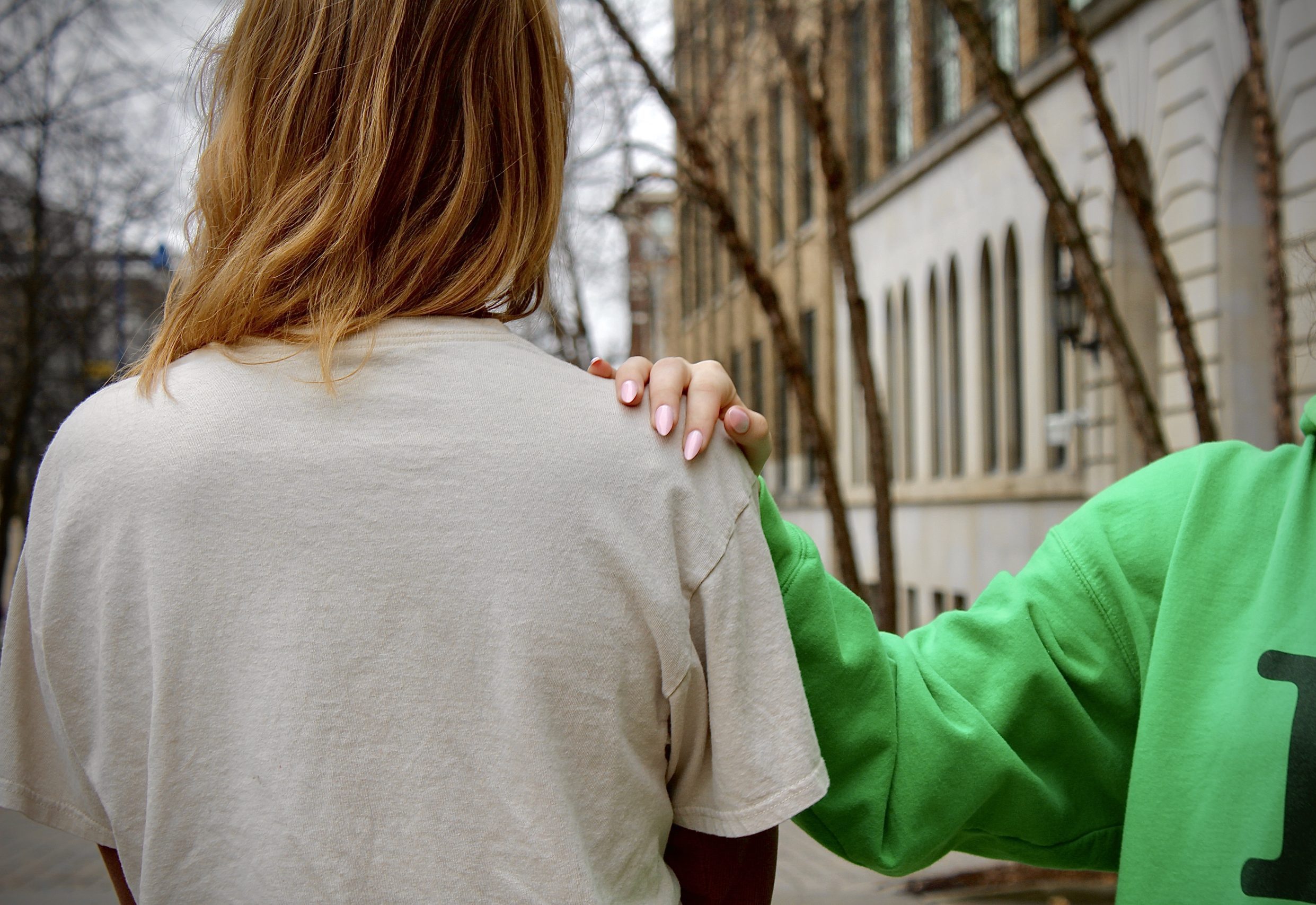
However, this ripple effect of grief and loss extends beyond my hometown. Across Michigan and at Grand Rapids Community College, conversations about mental health and suicide prevention are crucial. GRCC offers counseling services for students struggling by providing a space to talk and find resources. Going beyond institutional support, having each other is just as important. Saying hi to an old friend, reminding someone that they are valued, or just being present can save a life.
Mental health has become a larger conversation in everyday life and around the world in recent years. What once used to be a taboo topic is now one of the most important conversations to have. More often than not, life’s challenges are under the surface, and we don’t know the weight other people carry. Extending kindness and compassion has never been more of a necessity, and one great place to start is locally, even here on campus.
As reported by the Centers of Disease Control and Prevention in 2022, Michigan lost 1,503 people to suicide alone. This is the highest report for the state since 2018. More than just numbers, these are real lives lost. It’s a meaningful reminder, whether we know it or not, that the fleeting moments that seem insignificant at first are so much more profound than we realize.
The ripple effect of loss is undeniable, but so is the domino effect of support.
If you or someone you know is struggling, reach out. GRCC’s Center for Counseling and Well-Being offers support on campus, or you can dial 988 to reach the Suicide and Crisis Lifeline. You are not alone.