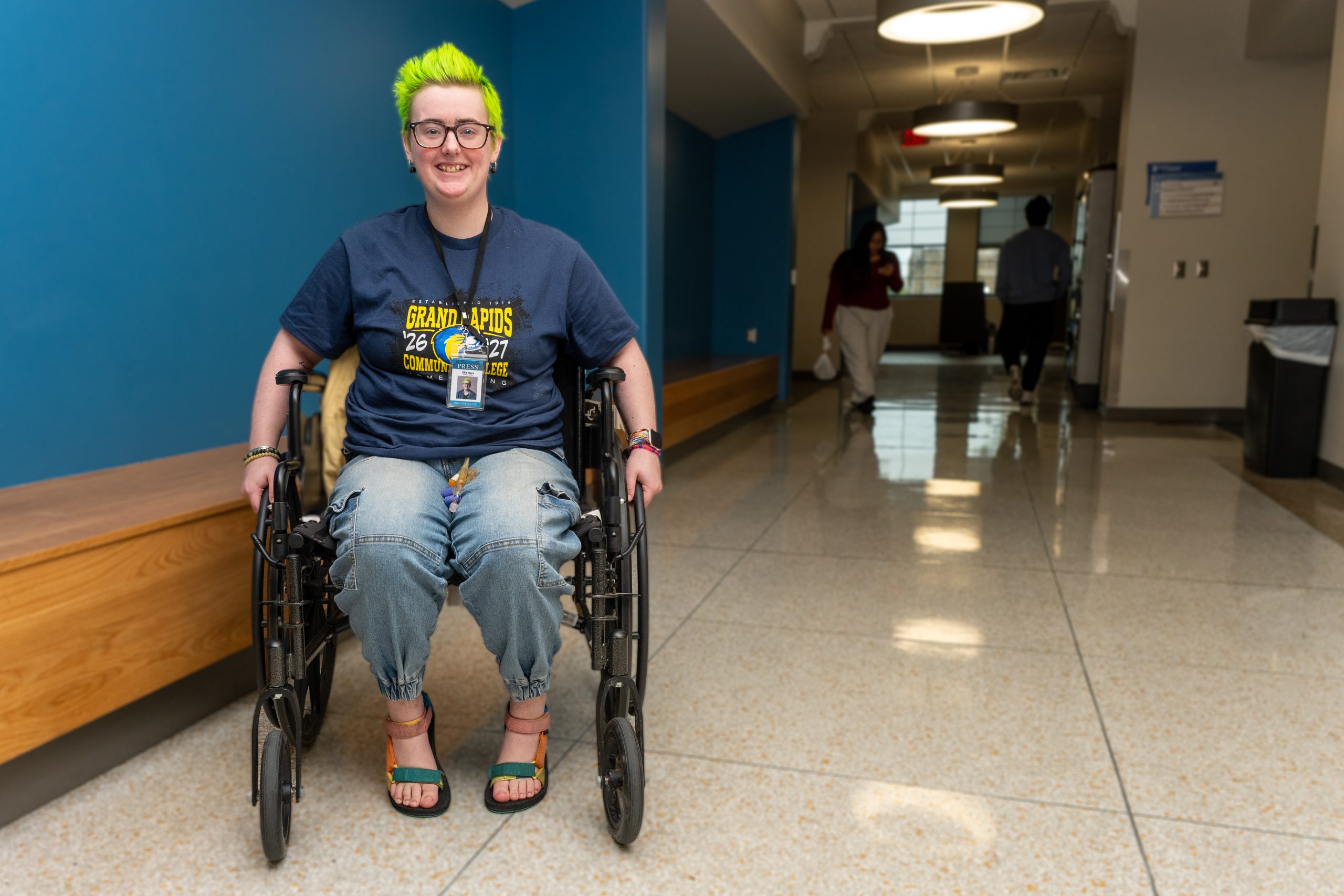
By Ella Ware
September is Sepsis Awareness Month. Sepsis is a life-threatening medical emergency that happens when the body’s immune system has an extreme response to an infection, causing damage to its own tissues and organs. This can lead to shock, multiple organ failure, and death if not promptly treated. Anyone can get an infection, and infections of almost any kind can turn into sepsis.
Sepsis does not discriminate. It affects children, the elderly, college students, the healthy, the chronically ill, and everyone in between. According to the CDC, more than 1.7 million adults develop sepsis in the U.S. each year, and at least 350,000 of them die or are released on hospice. That’s more deaths than opioid overdoses, breast cancer, and prostate cancer combined.
The night I went into septic shock, the clock had just struck 12. It was now Halloween, my favorite holiday. I had been feeling worse than usual for more than a week, but I was hoping my chronic illness was just flaring. It was midnight when I just got the feeling that if I went to bed, I might not wake up. This wasn’t something I had really ever felt before, even though I had been septic before. I called my cardiologist’s cell, and he instructed me to call 911. I didn’t realize it then, but the impending doom is a symptom of severe sepsis, and it absolutely saved my life.
I wasn’t even thinking about sepsis this time. I was short of breath, in worse pain than usual, confused, and very dizzy. I felt like I might have had something going on with my heart. When the ambulance arrived, I crawled to the door because I didn’t feel like I could stand. My beloved cat didn’t want me to go, needing a paramedic to hold him while they got me onto a stretcher.
My electrocardiogram (or EKG) looked mostly okay, so they asked me if I wanted to stay home. Something made me ask them to check my temperature before I went back to bed, and they were alarmed to find it was above 103. I hadn’t even known I had a fever at all, and I still don’t know how long I’d had one.
I don’t remember much about the emergency room. I know from looking at my medical chart that it was about 1 a.m. when I arrived. By 2 a.m., they had found the urinary tract infection and taken my blood. By 3:10 a.m., a Code Sepsis and a Rapid Response were called. My fever was rising, my blood pressure was critically dropping despite IV fluids, and my labs indicated that my blood was too acidic and already damaging my organs. These are all of the trademarks of Severe Sepsis and Septic Shock.
This is about the time they told me that was my diagnosis, and I remember being surprised that they could know something so extreme so quickly. I was already on the way to the ICU.
They kept me on vasopressors to make my blood pressure come up, so that blood would perfuse my organs. They had taken cultures of my blood to test for bacteria, and by the next day, several were testing positive. This would culminate in four different kinds of bacteria showing up in my blood from both my bladder and my GI tract, and it would take 12 days for my blood cultures to start testing negative. I was put on antibiotics, but the bacteria were resistant and stubborn. My prognosis was guarded.
I was transferred back to the regular floor and then back to the ICU multiple times for either low oxygen or a resurgence of low blood pressure. At one point, I was receiving nine liters of oxygen for pneumonia and acute respiratory distress with hypoxia. I had lots of complications throughout my entire body that multiple specialties had to work to get sorted out. I was admitted for 26 days and left with Post-Traumatic Stress Disorder, but I’m just lucky to be alive.
The most common cause of sepsis is bacterial infections, but it can also be caused by viruses, parasites, or fungi. Sepsis in and of itself is a serious body-wide reaction to an infection, while severe sepsis includes acute organ dysfunction caused by that reaction. Septic shock happens when there is critically low blood pressure that requires vasopressors, as well as cellular changes, with a mortality rate of up to 50% even with treatment.
It’s essential to be aware of early warning signs to prevent sepsis from progressing to its most severe forms. When sepsis is caught and treated early, survival rates and prognosis go up significantly.
An acronym that can help–
S: Shivering, fever, or feeling very cold
E: Extreme pain or discomfort
P: Pale, discolored, clammy, or sweaty skin
S: Sleepiness, confusion, or disorientation
I: “I feel like I might die”
S: Shortness of breath
Other common symptoms of sepsis include a fast heart rate, low blood pressure, chills, extreme tiredness, and feeling much worse than expected relative to whatever is going on (like a skin infection, UTI, or the flu). College students with sepsis have frequently mistaken it for the flu, a cold, or a bad hangover.
Sepsis in healthy young adults is uncommon, but this demographic is also more likely to ignore symptoms and delay treatment. Infections at college are also more common because of the exposure to a high volume of other people. Additionally, stress, sleep deprivation, and drinking can weaken your immune system.
Of course, most infections will not cause sepsis, so this isn’t to fearmonger or scare anyone. I just want every young person (and every person in general) to be aware of the warning signs so that they can be proactive if they or someone they know starts showing symptoms.
The best way to prevent sepsis is to prevent infections. You can take precautions like wearing a mask around groups of people during periods of high respiratory virus activity, getting recommended vaccinations, practicing good hygiene, and taking care of any chronic conditions that increase your risk of sepsis. It’s also important not to take antibiotics unnecessarily, and to completely finish any course of antibiotics you are prescribed.
It’s important to remember that sepsis is a medical emergency, so it’s always best to err on the side of caution if you’re showing this combination of symptoms. If you have an infection of any kind that is not getting better or is getting worse, contact your doctor or go directly to the emergency department. It’s always better to overreact than to underreact in this scenario.
Visit the CDC for more information about sepsis.