By Mason Glanville
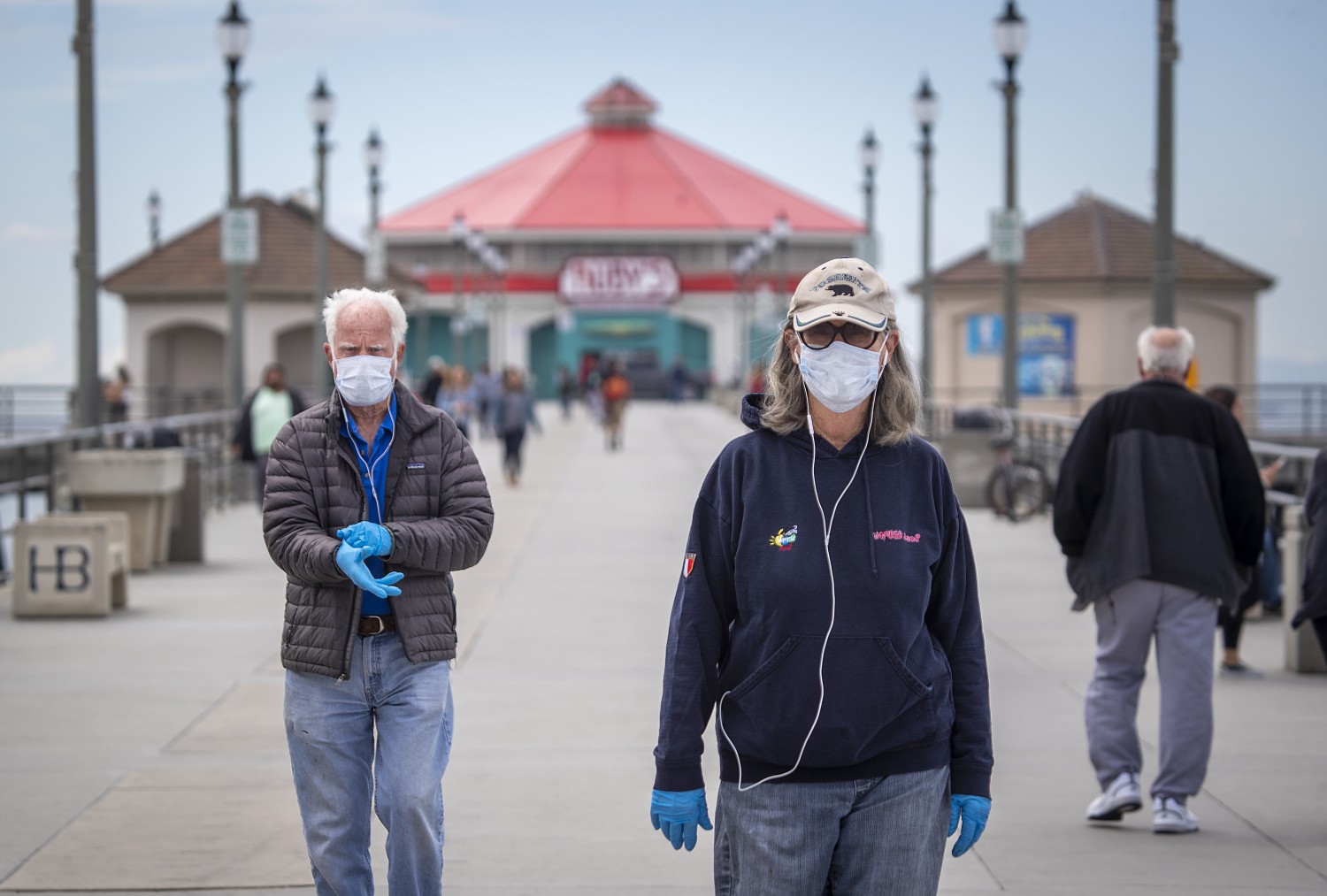
Recent comments by public health leader Dr. Anthony Fauci, director of the National Institute of Allergy and Infectious Diseases, suggests that the public may benefit from wearing facemasks in the same ways that healthcare workers do while confronting the threat of COVID-19.
On Tuesday, March 31, Fauci stated in an interview with CNN that “If, in fact, a person who may or may not be infected wants to prevent infecting somebody else, one of the best ways to do that is with a mask…”
Fauci says that this new advice is likely to become the official word as soon as an appropriate supply of protective equipment is secured for healthcare providers who need it most.
According to published CDC guidelines for healthcare facilities, “Source control (putting a facemask over the mouth and nose of a symptomatic patient) can help to prevent transmission to others.” It follows that such precautions would serve the public just as well in slowing the spread of infection.
The principle of wearing a mask is not only to protect the individual wearing it, but to contain potentially infected droplets inside of a person’s body when coughing, sneezing, or talking.
Since COVID-19, like other viruses, can infect people for a number of days before they become aware that they are sick, the simple protective measure of donning a facemask can significantly decrease unwitting transmission of the virus while people are in shared spaces like grocery stores or commercial kitchens.

Other countries already embrace the use of masks as an element of public health etiquette. In the U.S., this practice is rare but growing. Since the beginning of the outbreak, a number of tutorials have appeared with directions on how to sew a reusable mask at home. Jennifer Ackerman-Haywood, a GRCC adjunct professor, handmade business owner, and the faculty adviser of this publication, has even released her own tutorial for making masks in the style accepted by Spectrum Health System as donations for frontline workers.
It is important to note that at this time, critical protective equipment for healthcare workers is still in short supply. Until the supply of pre-made surgical and N95 masks are stabilized, private citizens should wear only homemade masks and consider donating medical grade supplies to their local hospital.
Even though face masks may not be the spring fashion trend anybody was hoping for, crafting some of these important headpieces from items found around the house could be a practical and fun use of time for those who find themselves feeling a little cabin fever.