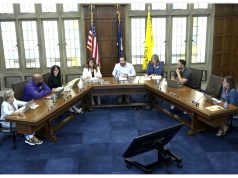
Editor’s Note: This article is part of a data center project that The Collegiate has been reporting. Following the July 13 city council meeting in Dowagiac, MI, The Collegiate returned to Dowagiac to better understand the residents’ experiences living near the Hyperscale Inc. data center. In a series of interviews, staff reporters talked to those who spoke up during the meeting, including community members who live on Louise Avenue, the street most affected by the noise, and those who live in the surrounding Dowagiac area. Read the story about residents on Louise Avenue here.
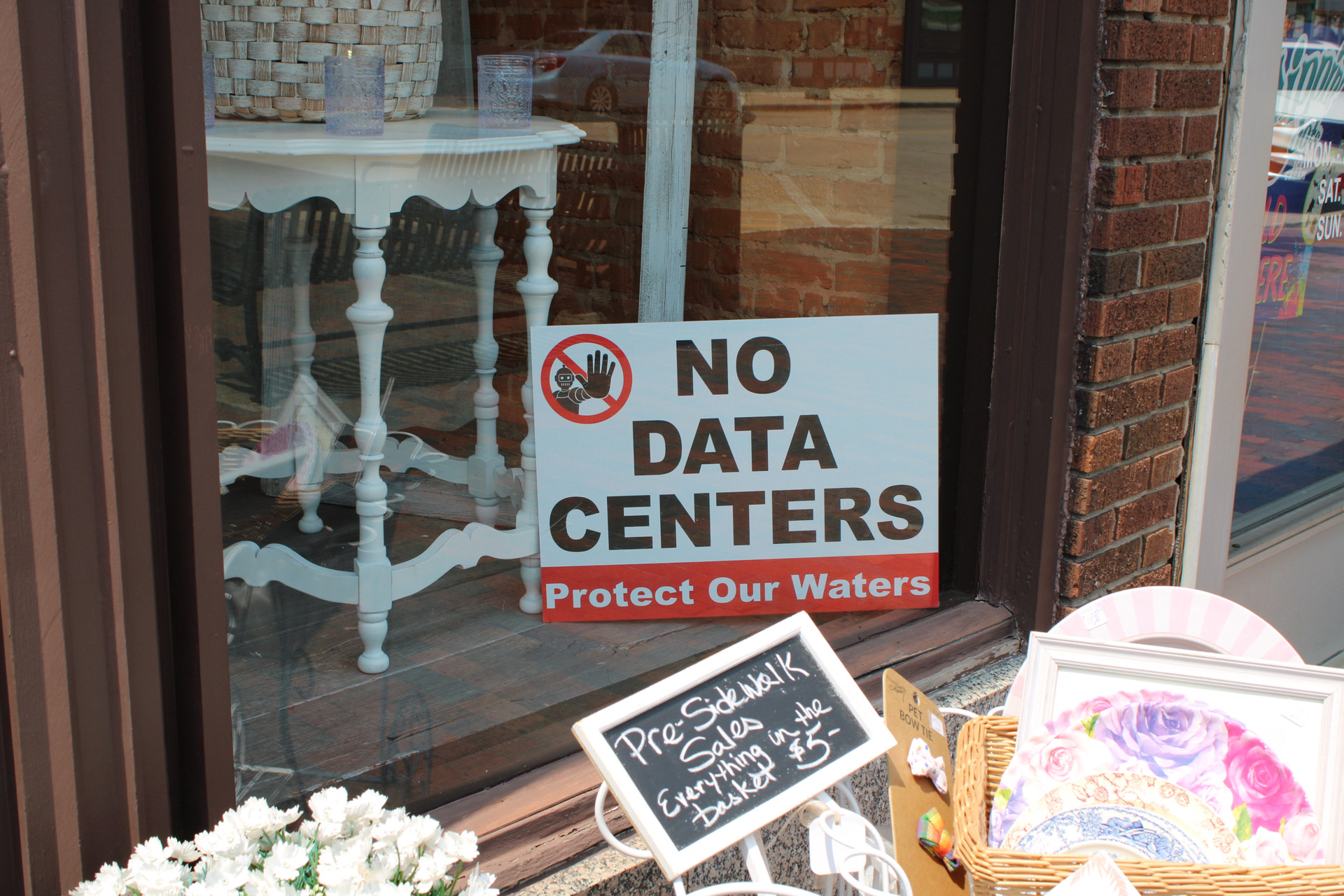
DOWAGIAC, Mich. – Earlier this month, residents and employees in downtown Dowagiac shared their thoughts about the local data center that has since grown infamous for its constant, 24/7, buzzing noise. While a few people were hesitant to discuss their thoughts on the record, there were several shops with “No Data Centers” signs posted in their windows.
Elizabeth Westfall, an employee at Yarn on Front, a local knitting shop, said that people don’t seem to be outright against data centers.
“I find that people’s reaction to data centers is that they want to use the technology, but they don’t want the data centers nearby. So it’s the “NIMBY,” not in my backyard,” Westfall said.
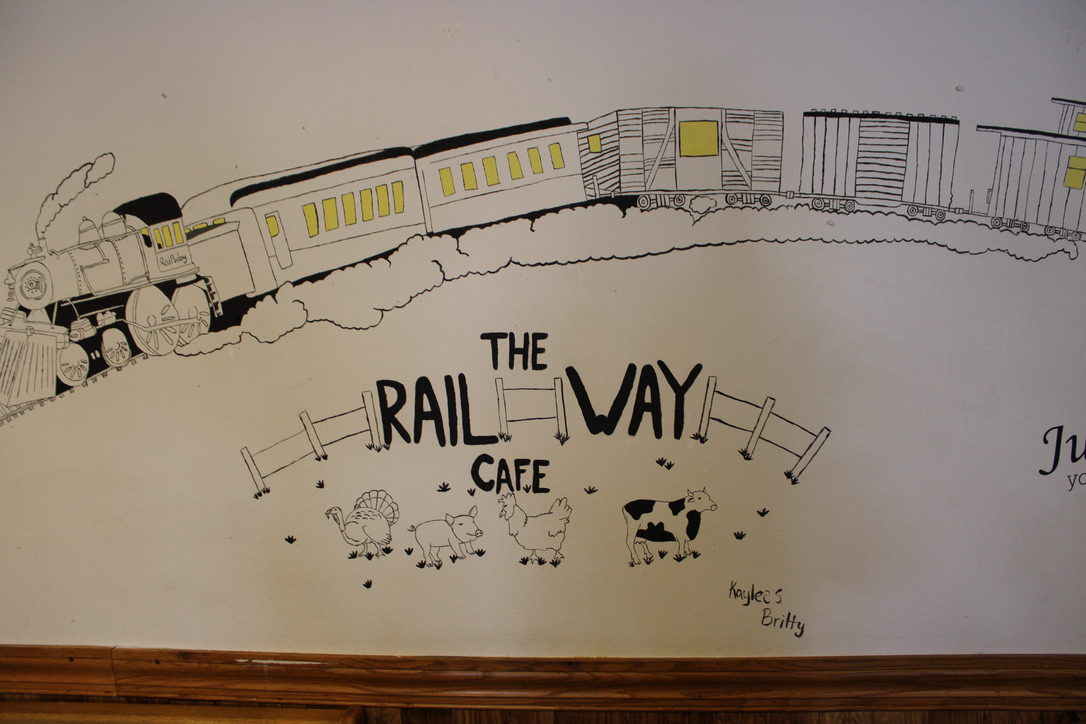
Although not in their backyard, but sitting in a booth at The Railway Cafe located on Railway Street, Gina Mensone, 73, and Brian Kelly, 81, shared their thoughts about data centers, even though they didn’t feel super informed about the topic. They’ve been Dowagiac residents for about a year.
“I’ve yet to hear anything good about data centers,” Mensone said. “I don’t know a lot about them, but I’m trying to learn… I don’t like… how it seems to be affecting people. Physically, mentally. What is it doing to the environment in general? Those kinds of things worry me… I’m not sure what the upside is.”
Kelly didn’t know there was a data center until recently but noted the dispute over job security regarding data centers and that the jobs offered are mostly construction and temporary.
“They advertise them creating jobs. Initially, yeah, but then they take the jobs away,” Kelly said.
Barbara Groner, 82, who was at the July 13 city council meeting, also noted Hyperscale’s claims to create jobs and revealed her doubt about whether that will come to fruition. She compared the promise of jobs to Switch, a data center located in Grand Rapids.
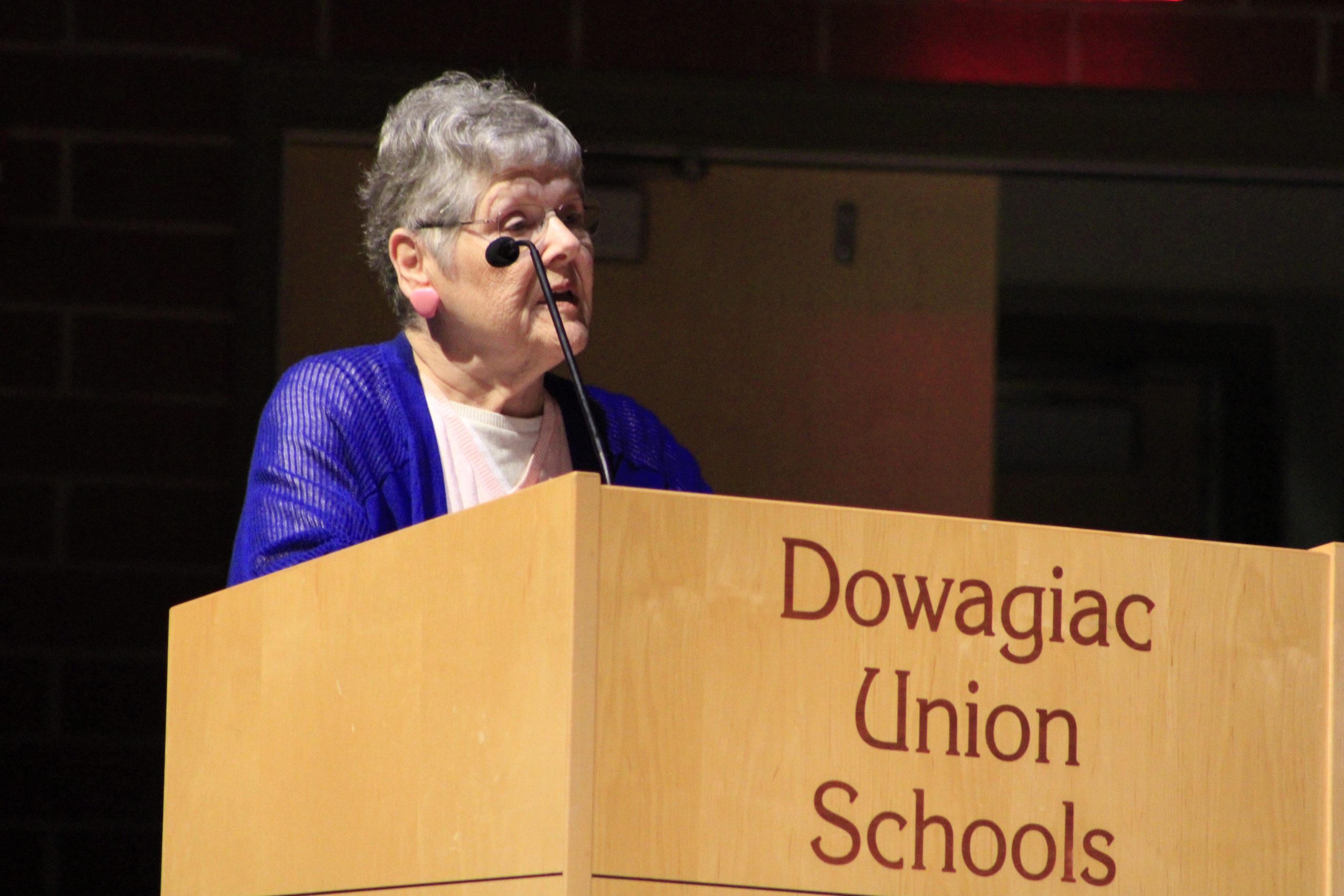
While job offers can draw people in, Groner believed this to be misleading and that many of the jobs are no longer viable once construction is completed.
“… we have got to get smarter and not let companies take advantage of us,” Groner said.
Mensone spoke about her questions and uncertainties about data centers and the companies putting them up.
“Are there any sort of regulations at all for data centers? Did they, like, put the cart before the horses, the old saying goes, you know? Did they just throw them up there and then say, ‘Oh, now I guess we should have some restrictions?’”
Many community members at the city council meeting expressed their frustration with the lack of information provided from both Hyperscale Inc. and the city council members.
Additionally, people felt concerned with the lack of attention regarding the complaints made about the data center noise. Groner also reiterated Hyperscale’s inability to make an appearance sooner and before the personal invitation of Mayor Patrick Bakeman.
“Plus just think, they have been here for six years and yet… three weeks ago, is the first time when… we get their letter that takes (up) a whole page in our weekly paper saying we want to be good neighbors,” Groner said. “Good neighbors don’t take six years to meet their neighbors to explain fully what they plan to do.”
Gerik Maverick, a Dowagiac community member who was running for Michigan Representative but has since dropped out, said why he thinks the council is not moving as quickly as residents may like.
“I think it kind of comes down to people (doing) what they’re told. People do what they’re advised to do…” Maverick said. “In the conversations I’ve had with a lot of state reps, including some local ones who have written some of the data center policy on the state side, they’re relying on local cities having the knowledge to know how to legislate these things locally.
“And frankly, a lot of local elected officials are very normal people (and) don’t do a lot of research and don’t know anything about how these companies take advantage of small towns,” Maverick said.
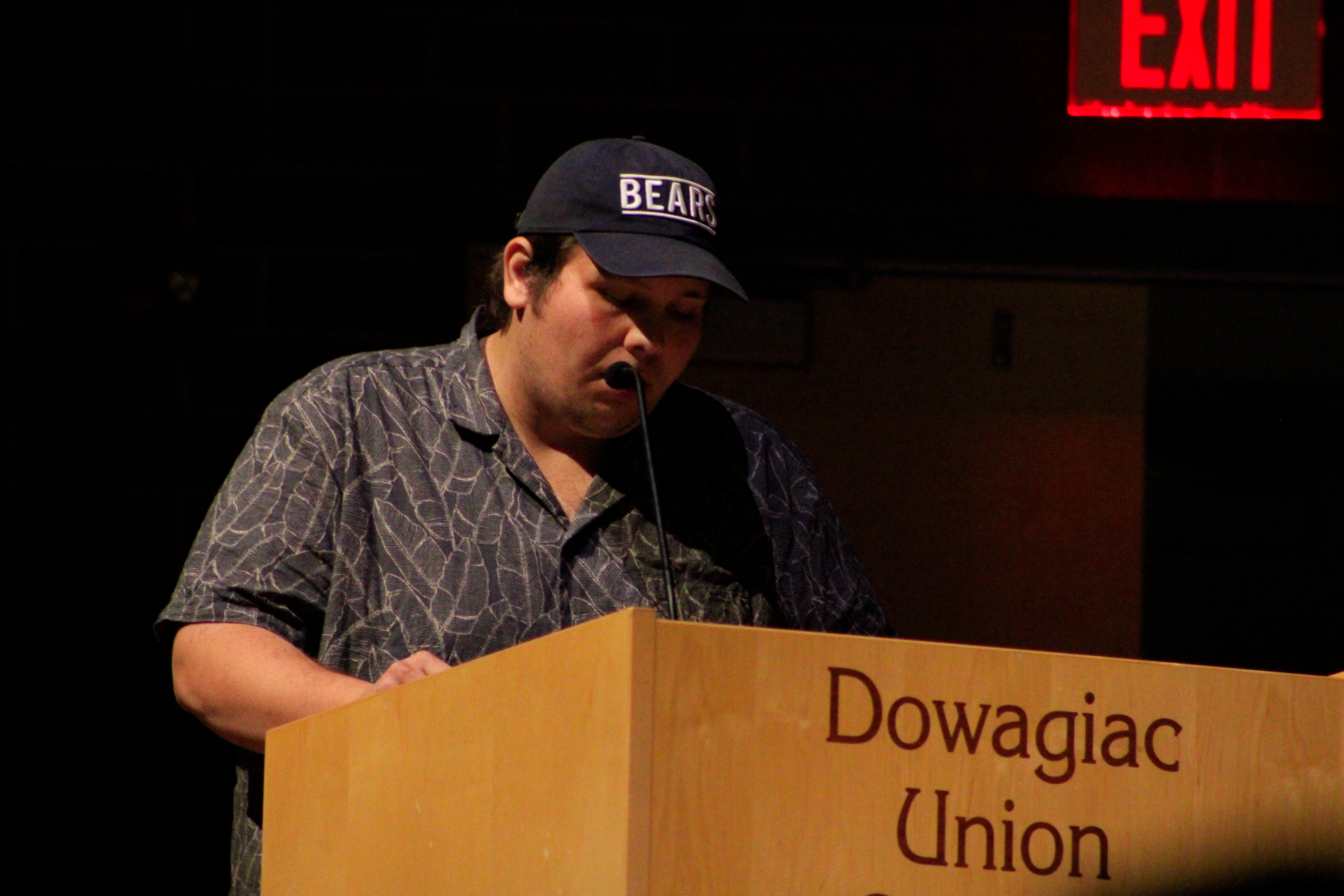
The Collegiate spoke to Dowagiac City Manager, Kevin Anderson, at the city council meeting and he provided insight from the city council perspective. Anderson noted that it can be difficult to respond to the complaints and desires of community members while also keeping the city moving forward with future business goals, as well as managing other needs.
“To try to manage all of the things you need to do on a day-to-day, when something like (the data center) comes forward, and you hear the expectations of the public, the expectations of the public are ‘drop everything and work on it,’” Anderson said. “And those aren’t unfounded because it’s an important issue in the community.”
Anderson also noted that city council members receive their information from press releases at the same rate as community members.
CEO of Hyperscale Inc., Will Horne, noted at the city council that there is no communication between Dowagiac and the data center beyond submitting a building permit.
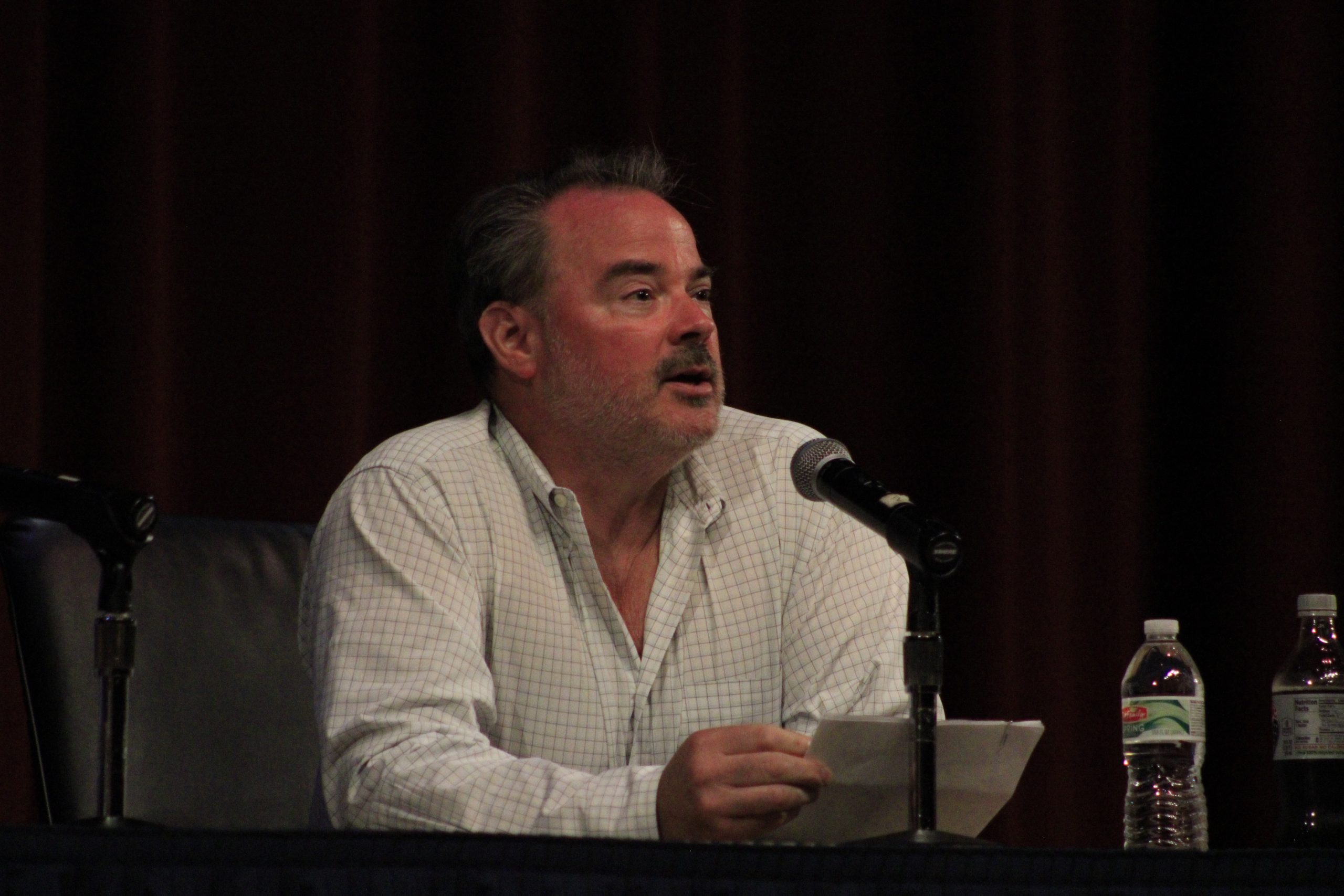
“I wouldn’t call it a relationship. I would call it a regulatory body we have to deal with,” Horne said.
Other Michigan cities have also experienced a lack of communication and information from the data center companies and city officials. Here in West Michigan, data center proposals are being discussed in at least two locations.
At the Gaines Township public hearing on April 15, a Microsoft representative provided a presentation that would rezone recently bought land from residential to industrial and would allow for the construction of an AI data center. The hearing ended with commissioners stating they want a more complete agreement with Microsoft before making a decision on a new ordinance.
According to Community Development Director Dan Wells, Gaines Township officials are still debating the legal side of the rezoning with Microsoft. Once an agreement is reached, there will be two scheduled public hearings. The first is for a reading of the original draft, and the second is for a revised draft and public comment.
At Lowell’s last public hearing, held on June 15, many citizens expressed concern about the signing of Non-Disclosure Agreements (NDAs) that would prevent the members of the board from providing any information to the public regarding the Microsoft data centers. Lowell was also the first township to reject a moratorium. The meeting lasted for only four minutes due to overcrowding.
A Data Center and Digital Mining Ordinance was discussed at a June 15 Caledonia Township held a planning commission meeting, during which several community members spoke against allowing them in the township. Currently, there is no proposed data center and the moratorium still stands, unchanged.
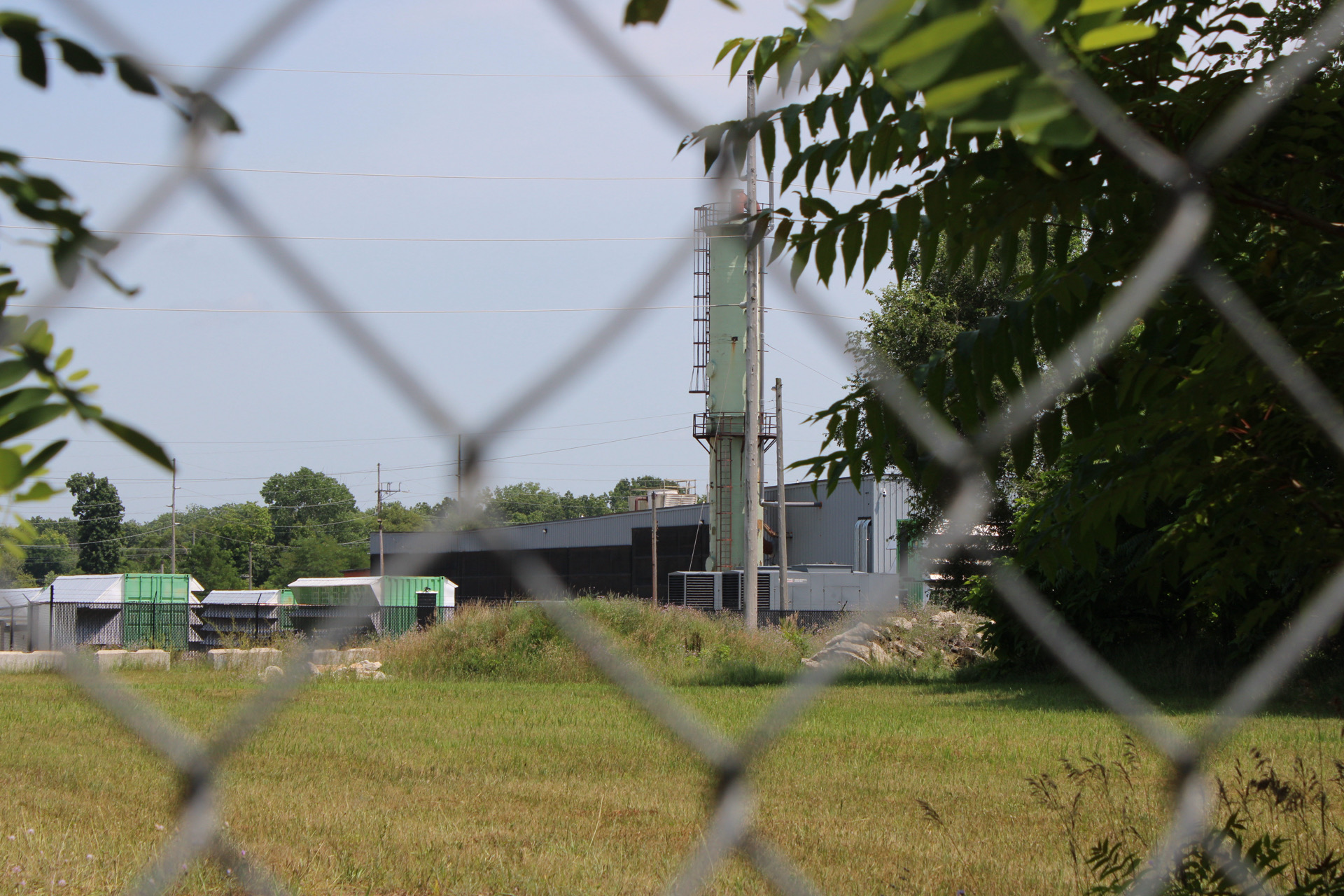
The Collegiate reached out to Hyperscale for comment regarding the residents’ frustrations and further clarification regarding their proposed timeline and shutting off the data center. John Stewart, Hyperscale Inc. Marketing Director, stated in an email the importance of building trust over time and the company’s commitment to listening to residents’ needs.
“As we continue our transition away from cryptocurrency mining, our focus remains on building the next chapter of our operations in Dowagiac while reducing the sound levels of our operations,” Stewart stated.
Stewart declined to answer The Collegiate’s questions in full.
Although Groner lives out of the city limits, she often works in Dowagiac and expressed her sympathy for the people living on Louise Avenue.
“I wanted people to realize I don’t like the way our (data center) is impacting the quality of life for those people who have no choice,” Groner said. “Their homes, their families, (Louise Avenue is) where they want to live.”
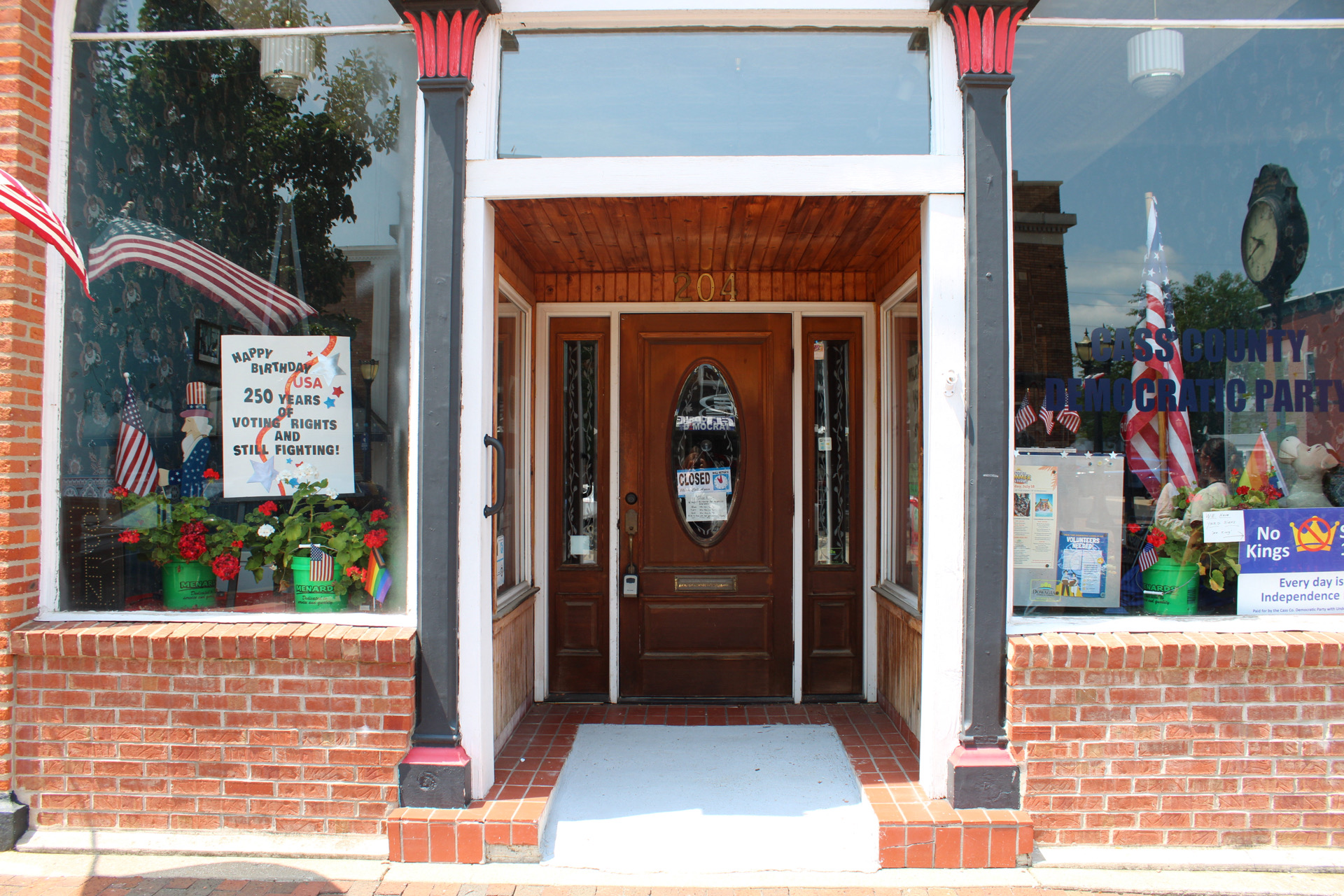
Mensone and Kelly, who are both part of the Cass County Democratic Party, disclosed their disappointment in relatives and younger people who dislike talking about data centers or anything deemed political.
“And sadly, another thing we noticed, because we’ve gone to protests in Chicago, and we’ve gone to protests here. You know, no kings and all those kinds of things. There aren’t many young people, and it’s very discouraging to see,” Mensone said.
Kelly said it was disheartening to see the community’s lack of investment in politics and the current political climate: “They’re not interested in the news.”
While Maverick is not directly affected by the constant noise from the data center, he is also a part of the Cass County Democratic Party and gave insight into why he believes data centers are a conversation worth having.
“I think it’s existential, not just to a small town and obviously expansion (of the data center in Dowagiac) could hurt, even neighborhoods like mine, if they were to expand, but it’s also in terms of existential for the state of Michigan and the country at large,” Maverick said.
Despite the unknown future of data centers and how the one in Dowagiac will progress, Mensone suggested that this could be the kind of wake-up call that people on both sides of the aisle can open their eyes to.
“You know… with all the political divide in that country…I’m wondering if something like data centers will be something that bridges that gap a little bit,” Mensone said.
Maverick also expressed his hopes that data centers can be a conversation that anyone can have regardless of political affiliation. In a metaphor, he compared the issue of data centers to a Disney Channel show in which a small town comes together, despite their differences, to help fight against the big company that’s trying to take away their community center.
“I think there’s been a lot of divisive politics that, especially one side of the aisle has engaged in, and at the end of the day, a data center in your town is a unifying force,” Maverick said. “In many ways it could help folks see across aisles, across ideological boundaries that ‘”hey, me and these other working people in my community need to come together.’”
Although Groner wished better for those who are affected by the data center and the noise it’s created, she acknowledged that the city must move forward and progress along with new technology. “Our world is changing, and we do have to do a certain amount of changing along with it.”
While discussing the future of data centers, Maverick said he hopes residents can take this moment to not only come together but to also see how data centers can affect beyond their Dowagiac community.
“The noise issue is an issue, and it’s a unifying issue, but it can’t stop at noise. If it begins there, great,” Maverick said. “But these things have broader implications that I think folks are finally starting to understand.”
“Hearing some of the folks… talk about bird populations and water tables and things… I think (we should) learn from this moment, take advantage of this momentum (because) people want to care about these sorts of things. They just have to be given an excuse to do so.”
Groner expressed how caring is needed to help make a difference and to help your neighbor, even if they’re a crow’s flight away.
“Everybody gets affected… (and) I think anyone can be (helpful) if you care enough.”
Read up about data centers on your own here.
Collegiate editors Kyle Jackson, Ari’ Browley and Karalynn Davis contributed to this report.