By Ella Ware
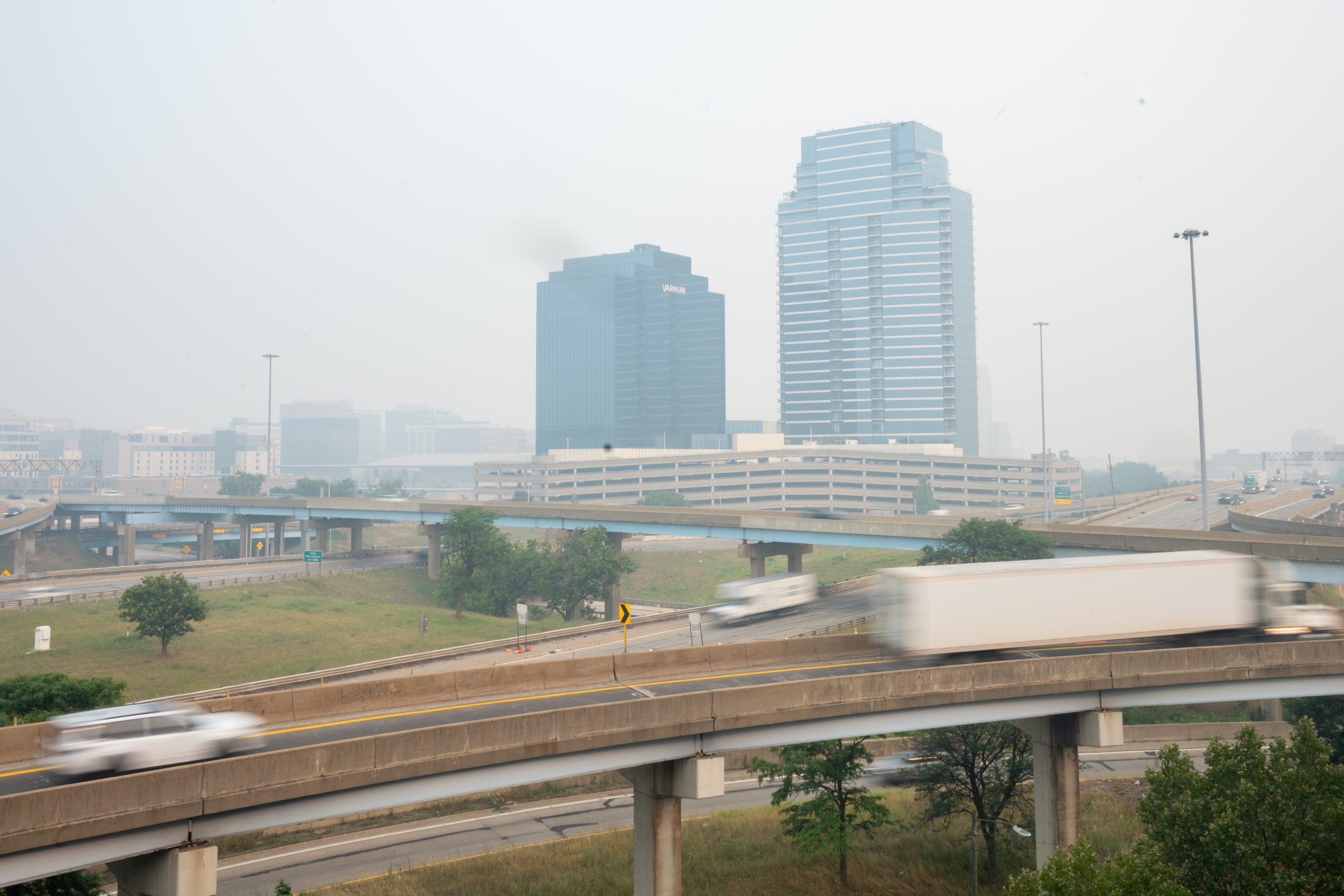
Air conditions in Grand Rapids on Thursday were unprecedented and dangerous due to wildfires in Canada and Northeastern Minnesota, according to MiAir. Smoke from the wildfires pushed the AQI (air quality index) into the hazardous category, and this is expected to continue into at least Sunday. Between the high heat and the air pollution, spending extended amounts of time outside can pose health risks, especially to those with pre-existing respiratory conditions.
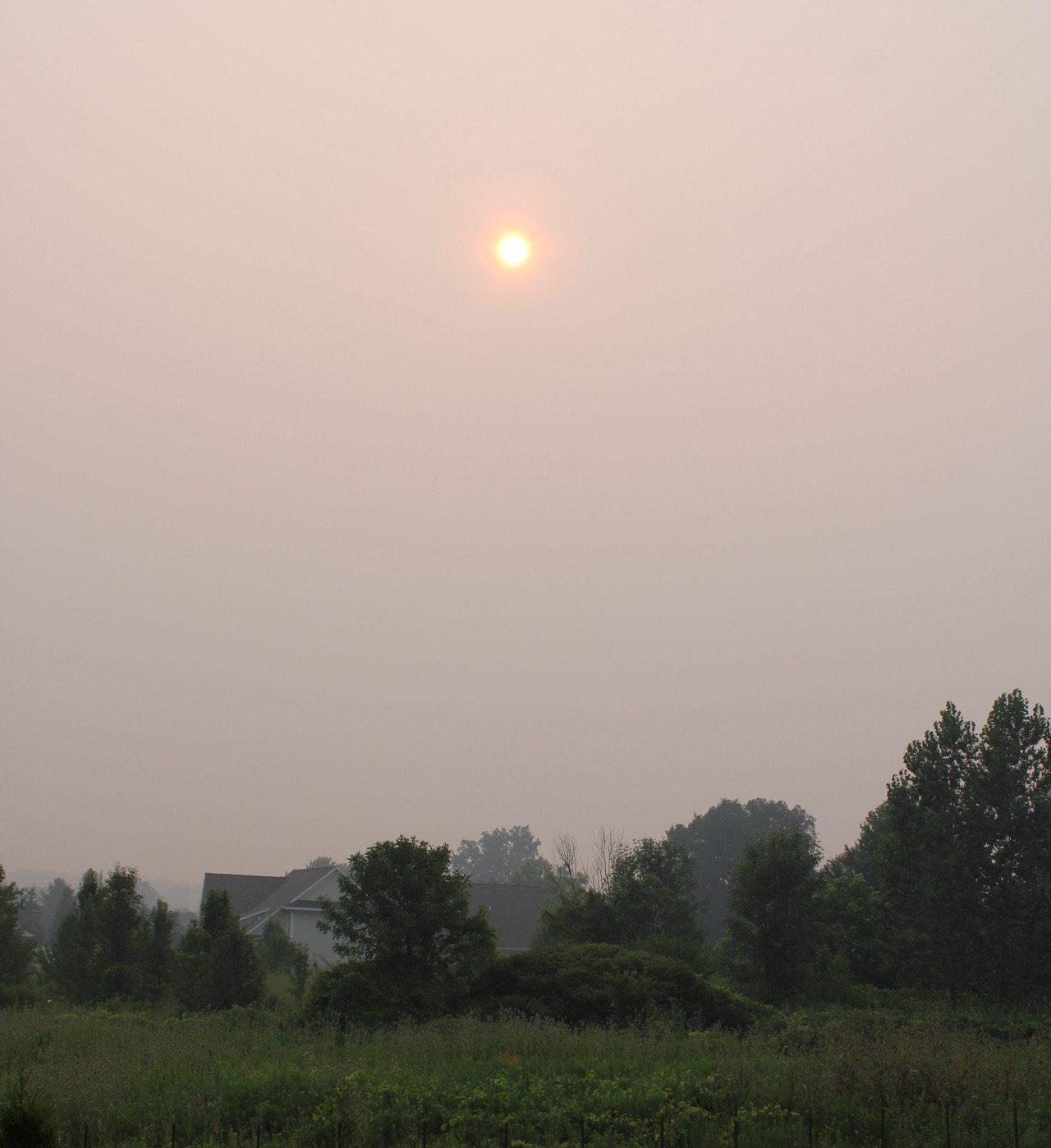
Due to the proximity and size of the fires in Northern Ontario, the resulting smoke and pollution are much worse than that of any wildfire in recent years.
In an abundance of caution, the city has closed many outdoor activities both Thursday and Friday.
According to AccuWeather, any exposure to the air at the current hazardous level, even for short amounts of time, can lead to serious health effects even in healthy people. The statewide air quality alert has been extended through Saturday. The air quality is expected to improve thanks to the wind, but smoky conditions will likely return later in a “boomerang” scenario. It’s likely that the smoke will decrease for a short period of time only to settle in again as the wind changes.
“Winds from the southwest will slowly begin to clear heavy smoke today and most locations should see improved air quality today, but smoke is expected to return Saturday afternoon and Sunday,” said Friday’s report from the U.S. Interagency Wildland Fire Air Quality Response Program.
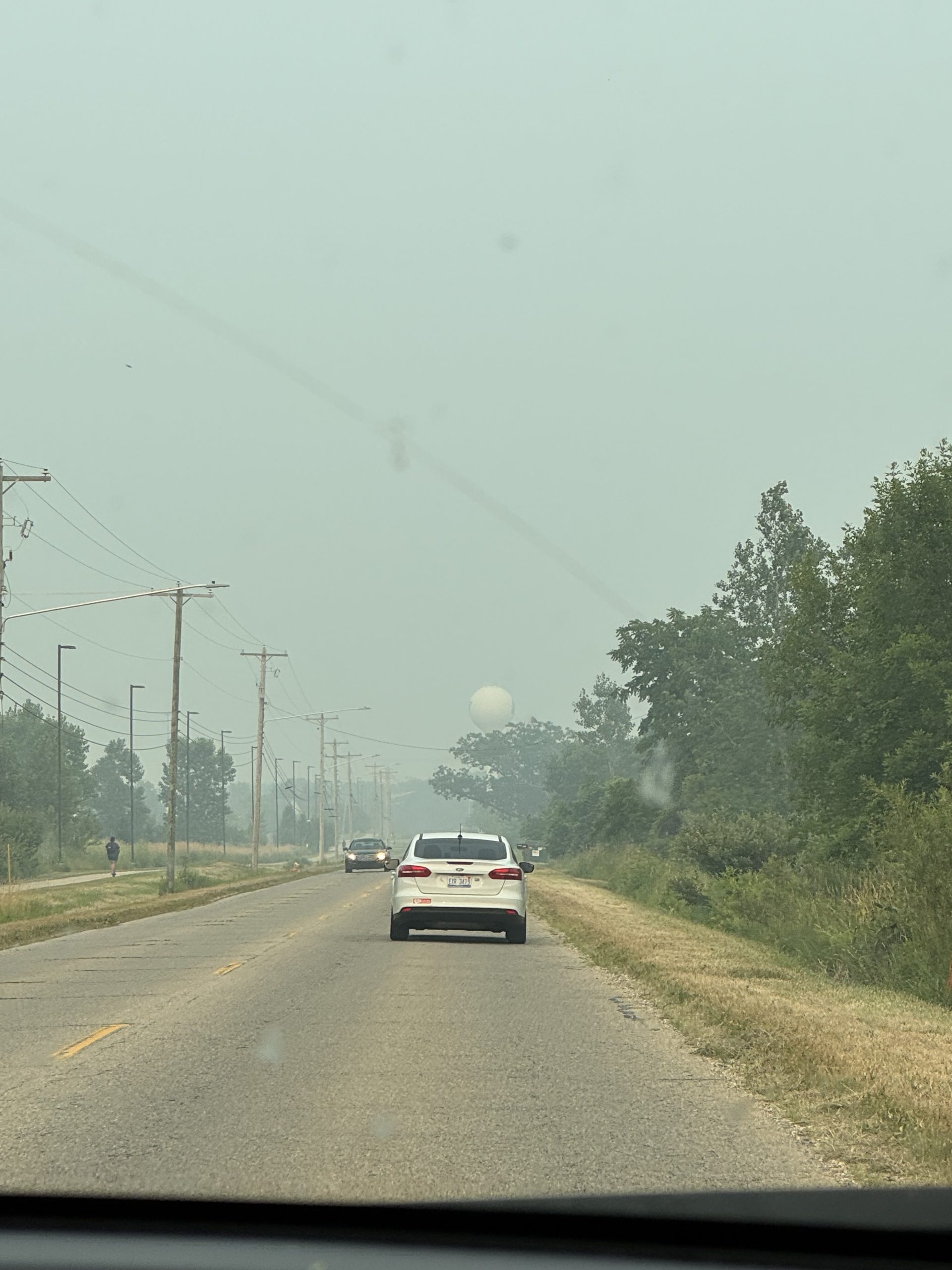
It’s important to limit any rigorous outdoor activities and watch for symptoms such as wheezing, coughing, dizziness, chest tightness, or burning in the nose, throat, or eyes. Children, older adults, and people with heart conditions or asthma are especially at risk in the current conditions.
It’s also recommended to keep windows and doors closed, avoid outdoor burning, use an HVAC filter rated MERV-13 or higher, and run the air conditioner on recirculate.